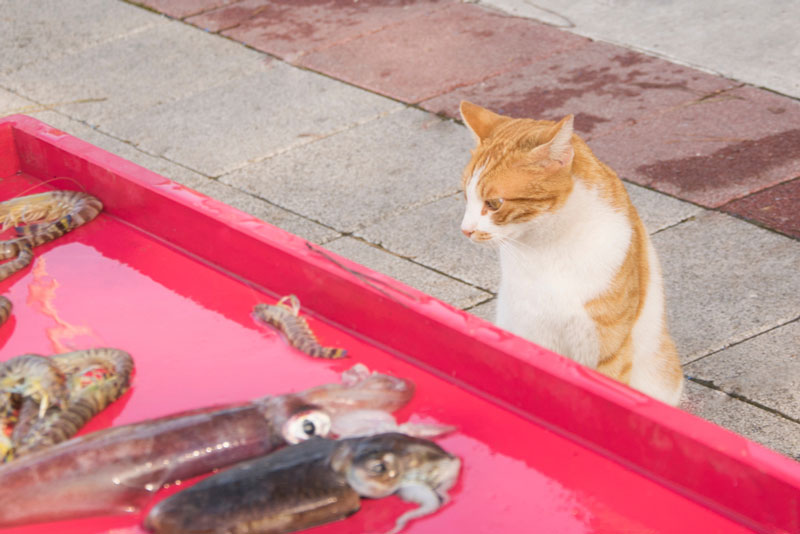
Have you ever thought about whether your furry friend, a cat, can eat raw squid? The answer is not black and white but rather a complex web of factors that involve your pet’s health and well-being. Cats typically might not be familiar with seafood as part of their regular diet, but they can eat raw squid in moderation. However, it’s essential to be cautious of how we introduce new foods to our bemused meowers.
When it comes to feeding our charming felines, they’re often intrigued by what we eat. I mean really, who could resist a curious cat watching you enjoy your meal? Squid, with its unique texture and flavor, might arouse their interest. But before serving up this delicacy, we need to take a deeper look at the nutritional aspects, potential benefits, and risks that come with feeding raw squid to our feline pals. Trust me; we’ve got a lot to unpack!
So, if you’re curious about what might happen if your adventurous cat gets a taste of raw squid, stick around. We’re diving into the world of squid, and by the end, you’ll know if it’s a culinary delight or a culinary disaster for your whiskered companion!
You might also be interested in: Can Cats Eat Lizards?
Can Cats Eat Raw Squid?
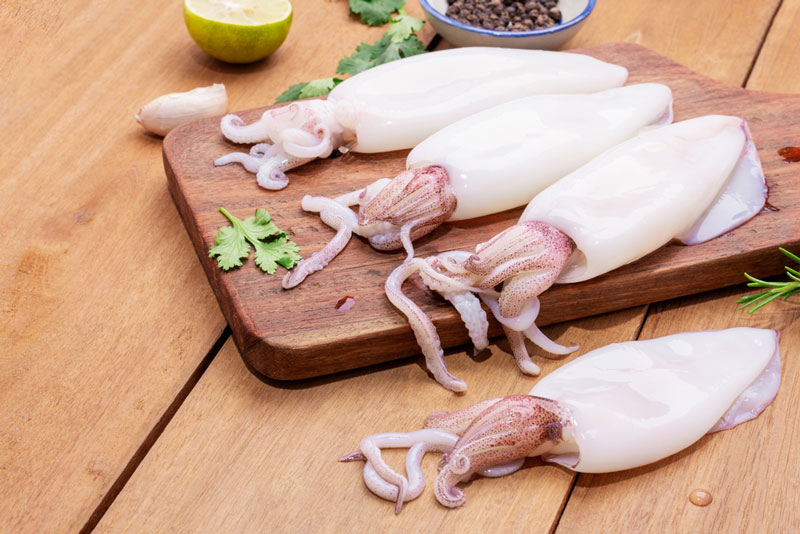
Cats are obligate carnivores, which means their diet is primarily made up of meat. So, the thought of them munching on raw squid isn’t entirely far-fetched. In fact, uncooked squid can supply certain nutrients that cats might need. It’s low in calories and has a high protein content, which is great for maintaining muscle mass. So, yes, we can say that cats can eat raw squid, but it needs to be approached with caution.
However, we should consider that while squid does have some nutritional benefits, it should not form the basis of our cat’s diet. Cats require a balance of different proteins, vitamins, and minerals, and squid alone does not provide all that. Just like us humans need a balanced diet, our little furballs also deserve variety! Some owners might find that their cats enjoy the texture of squid, while others may notice their cats giving it the ‘are you serious?’ look. Either way, it’s not harmful in moderation, but a steady diet should consist of specially formulated cat food.
How Much Raw Squid Can Cats Eat?
The big question arises: how much raw squid can we give our cats? If you think about it, moderation is the key here. We don’t want to give our cats the whole squid as it can lead to stomach upset or digestive issues. An appropriate serving might be just a small piece or two. This way, we’re introducing them to new flavors without overwhelming their digestive systems with something out of the ordinary.
Remember, our feline friends have sensitive stomachs. It’s a good idea to start with a minimal amount and observe their reaction. If they seem to enjoy it without any nasty side effects, we might continue in small portions. But if they experience vomiting or other digestive problems, then it’s best to pull the plug on this adventure.
Another thing to consider is how often to serve squid. Some owners might think it’s perfectly fine to include it in their cat’s regular meals, but that really is not the way to go. Squid should be more of an occasional treat rather than a part of their daily menu. We can spice things up by varying the kinds of treats we give. Maybe one day it’s jellyfish, another it’s shrimp, after all, it is a big ocean out there!
Benefits Of Raw Squid To Cats
1. Protein Source: First on our list is one of the biggest benefits of raw squid. It’s protein-packed! Our cats need protein for their overall health and vitality. Squid can offer a high-quality protein source that helps in muscle development and maintenance. Who doesn’t want a strong kitty?
2. Omega Fatty Acids: Squid contains some omega-3 and omega-6 fatty acids, which are beneficial for our kitties. These fatty acids help keep their skin and coat healthy, not to mention it’s good for heart health too. You want your cat to have that shiny, glossy coat when they strut around!
3. Low-Calorie Treat: Compared to other snacks, raw squid is low in calories. When we’re talking about keeping our cats healthy, managing their weight becomes crucial. Giving them treats that are low-cal while still being tasty, can help maintain that purrfect figure!
4. Variety in Diet: Introducing squid into our cat’s diet can also help break the monotony of their usual meals. Just like we enjoy trying new foods, cats can appreciate a new taste experience! It can be seen as a bit of fun for them, and let’s admit – seeing a cat go wild over food can be a mood-lifter.
5. Fun Interactive Treat: If we are looking to spice things up, tossing a small piece of raw squid can become an interactive snack time. Cats love to hunt, so allowing them to chase after a piece of squid on the floor can engage their natural predatory instincts. It’s a win-win if we ask!)
Dangers Of Feeding Raw Squid To Cats
While the thought of raw squid can be appealing for some cats and their owners, we need to tread carefully. There are risks involved.
One of the most significant dangers of feeding raw squid is the risk of bacterial infections. Raw fish and squid can harbor harmful bacteria, such as Salmonella or Listeria, which can cause severe consequences not only for the cat but can also be transmitted to humans. Yikes!
Siouxsie kitty doesn’t want to eat something that could lead to food poisoning. It can cause severe gastrointestinal problems in our furry friends including vomiting and diarrhea. That’s not a fun experience for anyone, including the kitty. We always want our cats to remain happy and healthy, so precautions should be taken.
Then there’s the issue of potential parasites. If we were to bring raw squid home, it’s crucial to source it from reputable and trusted suppliers. Unclean or contaminated seafood can bring unwelcome guests, like worms, into your pets’ intestines. Making sure the squid is fresh and free of parasites is an important step if we decide to introduce this unique food into our cats’ diet.
Some cats may also have allergies or sensitivities to seafood, including squid. It’s important to keep an eye on our cousin when we try something new. If we notice any signs of discomfort or unusual behavior afterward, we should avoid feeding them squid in the future and consult a vet if necessary.
Substitute Of Raw Squid For Cats
1. Cooked Seafood: If we want to stick to seafood but play it safe, consider giving our cats cooked fish or shrimp as an alternative. Cooking minimizes the risks associated with bacteria and makes sure our cats are munching safely!
2. Chicken or Turkey: Another fantastic choice would be lean meats such as chicken or turkey. Cats usually love chicken, and it’s safe when cooked. Plus, these protein sources come packed with the nutrients they need to thrive.
3. Cat Treats: There are plenty of commercial cat treats on the market designed specifically to suit our cats’ dietary needs. We can easily find seafood-flavored treats if the goal is to give them that flavor for their excitement!
4. Canned Fish: Like tuna or salmon meant for cats can also provide a tasty and nutritious snack. Again, be sure to watch for added salts or preservatives in those canned options.
5. Freeze-Dried Raw Pet Food: Some commercially available freeze-dried raw food can be a more regulated and safer way to introduce raw diets while also eliminating the risks linked to home-prepared raw meals.
Can Cats Eat Raw Squid? Frequently Asked Questions
What Should I Do If My Cat Eats Raw Squid?
If your cat accidentally gobbles up raw squid, keep an eye on them. If they show any symptoms like vomiting or diarrhea, it’s a good idea to reach out to your veterinarian.
How Do I Know If My Cat Is Allergic To Squid?
Signs of food allergies in cats can include skin irritations, excessive scratching, or gastrointestinal issues after eating. If you see these signs after giving squid, it’s wise to avoid that food in the future.
Can All Cats Eat Squid?
While many cats can enjoy a taste of squid, individual reactions can vary. It’s always best to introduce any new food slowly and cautiously while watching for any adverse reactions.
Can Cooked Squid Be Given To Cats?
Yes, cooked squid is generally considered safer for cats than raw squid. Cooking helps eliminate the harmful bacteria that could be present. So, if you want your cat to try squid, consider cooking it first!
Is It Safe For Kittens To Eat Squid?
It’s best to avoid giving squid to kittens. Their digestive systems are still developing, so we should stick to specially formulated kitten food that provides them with the right nutrients they need for growth.
Final Thoughts
In conclusion, feeding our cats raw squid can be a bit of a balancing act. While there are certain benefits to introducing this type of food into their diet, the associated risks are important to consider as well. It’s all about moderation and keeping an eye on how our cats react to new foods.
If you decide to give your cat raw squid, make sure to source it from a trustworthy supplier and introduce it in a small quantity. And as we explore new foods with our lovely pets, let’s remember that there are plenty of alternatives out there that can keep our feline friends safe and happy. If you’re curious about other food options for your pets, feel free to explore more topics like can cats eat mice.