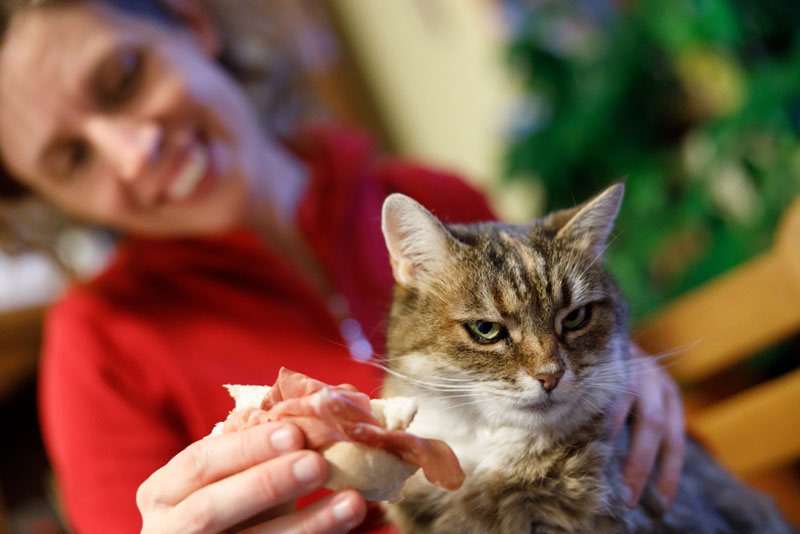
Can cats eat prosciutto? This question is one that many cat owners may find themselves asking, especially if they enjoy indulging in a tasty slice of this salty Italian ham. The answer is both yes and no. While cats can safely consume small amounts of prosciutto in moderation, it is not an ideal food for them due to its high salt and fat content. As responsible pet parents, we always want to make the best dietary choices for our furry companions, so let’s explore this topic further.
Prosciutto might seem tempting for our whiskered friends, especially when we catch them eyeing our snacks with those adorable pleading eyes. It’s important to remember, though, that just because they can eat it doesn’t mean they should. In fact, there are some real risks involved that we should be aware of. Before we start tossing slices to our cats, we are going to unwrap the facts about prosciutto and its effects on our feline buddies.
So, keep on reading as we dig deeper into this savory subject. There’s much more to learn about whether or not we can treat our beloved cats to the occasional morsel of prosciutto, and if there are better alternatives available!
You might also be interested in: Can Cats Eat Ham?
Can Cats Eat Prosciutto?
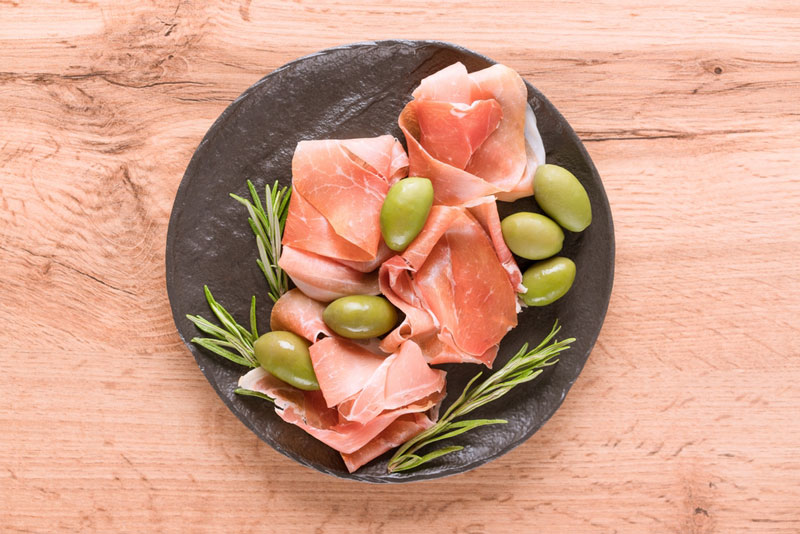
When we ponder if our cats can eat prosciutto, our minds might wander to the deliciously salty and savory flavor of this cured meat. After all, many of us may enjoy sharing our meals with our pets and want to know if they can join in on the culinary fun. Technically, yes, cats can eat prosciutto. However, before we excitedly share our plate, it is crucial to understand the nuances involved.
Prosciutto is an Italian dry-cured ham, beloved in many parts of the world for its exquisite flavor and melt-in-your-mouth texture. This means it is often sliced very thin and served uncooked. While certain meats and proteins are beneficial to cats, prosciutto should be considered more of a human treat rather than a regular addition to their diet.
The main factor to keep in mind is that prosciutto is high in both salt and fat. Cats are obligate carnivores, meaning their natural diet mainly consists of meat, but their bodies are not designed to process excess salt or fat in large quantities. Too much salt can lead to sodium ion poisoning in cats, which can cause symptoms ranging from vomiting and diarrhea to seizures. And while fat is an essential part of a cat’s diet, too much can contribute to obesity and other health issues, such as pancreatitis.
Overall, we should always exercise caution when considering whether to share our human food with our feline friends. Although a little nibble of prosciutto occasionally won’t send our cats to the vet, it is certainly not the best choice for frequent snacking.
How Much Prosciutto Can Cats Eat?
Now that we have discussed that cats can eat prosciutto in moderation, let’s explore how much is safe for them to consume. This is an important consideration for all pet owners who want to treat their pets without putting their health at risk.
It’s crucial to remember that moderation is key. An occasional tiny piece of prosciutto (think the size of your pinky nail) could be a fun treat for your cat, especially if they seem to love the taste. However, frequent exposure or larger portions may not be advisable. If we regularly give our cats prosciutto or other salty, fatty treats, we risk developing potential health problems.
When introducing any new food item into your cat’s diet, including prosciutto, it’s always a good idea to start with just a little. Give them a tiny taste and see how they react; make sure they don’t have any adverse effects before considering it again in the future.
Additionally, it’s important to consider your cat’s individual health status. If they are prone to obesity or have any underlying health conditions, it is best to avoid prosciutto altogether. If we are ever uncertain about what is safe for our cats, checking with our veterinarian can help determine the appropriate course of action.
So, the lesson here is: a tiny taste now and then is fine, but let’s not turn prosciutto into a daily snack! After all, cats thrive best on a well-balanced diet that meets all their nutritional needs.
Benefits Of Prosciutto To Cats
1. Flavor Excitement: One potential benefit of occasionally letting our cats indulge in prosciutto is the sheer enjoyment they get from it. Cats can be picky eaters, and introducing new flavors can make mealtime more interesting for them. A little piece of prosciutto might bring excitement to an otherwise mundane bowl of kibble. Plus, who doesn’t enjoy watching their cat’s eyes light up at the gift of a tasty treat?
2. Protein Source: Prosciutto is primarily meat, which means it naturally contains protein. Protein is essential in our cats’ diets as it helps maintain healthy muscles, tissues, and organs, supporting their overall well-being. However, while prosciutto does provide some protein, it is worth noting that there are much healthier protein sources available specifically formulated for cats.
3. Bonding Time: Sharing food with our pets can enhance our overall bond with them. When we treat our cats to the occasional piece of prosciutto, we are also showing our love and care in a unique way. Just be mindful to not make it a habit, or we might end up with little furry food critics insisting on gourmet treats every day.
4. Enjoyment: Dogs too? If you have a dog alongside your feline friend, sharing prosciutto could bring some enjoyment to both pets. While this article focuses on feeding cats, it’s worth noting that some foods humans enjoy can often be suitable for dogs, too. So, if you spread the love with some prosciutto, both pets could share in the tasty experience!
5. Novelty: Simply switching things up a bit gives our cats something to look forward to every now and then. We all know the excitement of breaking away from routine. So, a little taste of prosciutto can be a delightful surprise in chicken-and-rice-land. Just don’t confuse them into thinking it’s a regular meal as treats should remain precisely that—treats!
Dangers Of Feeding Prosciutto To Cats
While we’ve established that a tiny taste of prosciutto may not hurt our cats, let’s dig into the risks and dangers that come with sharing this salty delicacy with our furry friends. Knowledge is power, and understanding these risks can help us make informed decisions to keep our cats healthy and happy.
One significant risk is the high salt content in prosciutto. Cats are sensitive to sodium, and excess salt can lead to serious health issues, including dehydration, excessive thirst, and even sodium ion poisoning. Symptoms of salt poisoning may include vomiting, diarrhea, incoordination, and seizures. It’s essential to remember that petite cats are at a higher risk, as even a small amount of salt can have a considerable impact on their delicate systems.
Another danger we must consider is the fat content. While a certain amount of fat is necessary for a cat’s diet, too much can lead to obesity and related issues. Obesity comes with a whole host of health concerns, including diabetes, joint problems, and diminished quality of life. If we find ourselves spoiling our cats with prosciutto regularly, we might be setting the stage for long-term health problems rather than fostering a culture of healthy eating.
Choking hazard is another concern to be aware of, particularly if we serve thinly sliced or uncarefully cut pieces of prosciutto. Cats can sometimes get a little too excited about their treats, and swallowing food too quickly or not chewing well enough can become a choking hazard. Monitoring how they eat can help prevent any dangerous situations.
Lastly, if our cats have any kidney issues or other pre-existing health conditions, it is best to completely avoid prosciutto. Always consult our veterinarian regarding any changes in our cats’ diets, especially concerning salty or fatty foods. They can help us assess what is safe based on our individual cat’s health status.
Substitute Of Prosciutto For Cats
1. Chicken: One excellent substitute for prosciutto is cooked chicken. It is rich in protein, low in sodium, and an ideal treat option for our furry friends. Cook it without any seasoning, remove the bones, and cut it into small pieces before treating our cats. Most cats go wild for this tasty option!
2. Tuna: Another popular choice is canned tuna in water (without added salt). Tuna can add a wonderful flair to our cats’ diets and is loaded with protein. As with any food, moderation is key because too much tuna can lead to mercury build-up and an imbalance in nutrients.
3. Turkey: Similar to chicken, turkey is another great protein source that cats may enjoy. It is leaner than red meats and can seamlessly become a fantastic way to treat our cats without the risks associated with processed meats.
4. Cat Treats: Let’s not forget about the tons of cat treats available in stores! Many of these treats are formulated specifically for our feline friends, delivering essential nutrients while being tasty enough to keep them happy. Whenever possible, opt for treats with natural ingredients tailored to cats’ health.
5. Freeze-dried Meat: Freeze-dried meat treats are another excellent alternative. They maintain their protein and nutrients while providing a crunchy texture that many cats love. They are also lower in sodium and fat than prosciutto, ensuring a healthier snacking option.
Can Cats Eat Prosciutto? Frequently Asked Questions
Is Prosciutto Safe For Cats?
While cats can eat prosciutto in minimal amounts, it is not considered healthy due to its high salt and fat content. Always prioritize their health and opt for safer treats.
What Meats Are Safe For Cats?
Safe meats for cats include cooked chicken, turkey, and fish like tuna. These provide protein without the added risks of processed meats.
Can Cats Eat Deli Meat?
While cats may nibble on deli meat, it’s best to choose fresh, cooked meats over processed options. Always watch the sodium content.
How Much Prosciutto Can A Cat Have?
A tiny piece of prosciutto is acceptable as an occasional treat, but we should avoid making it a regular part of their diet.
Is High-salt Food Harmful To Cats?
Yes, high-salt food can be harmful to cats, leading to dehydration and poisoning. Always choose low-sodium options for their treats.
Final Thoughts
The question of whether cats can eat prosciutto is certainly an interesting one. While our feline friends may enjoy the flavor of this cured Italian ham, it is not the healthiest choice due to its high salt and fat content. Treats are fun and can bring joy to our cats’ lives, but we must prioritize their health and well-being above all.
As we continue our journey as dedicated pet parents, let’s always focus on the best possible choices for our furry companions. If you are interested in exploring more pet-related topics or learning what your cat can safely snack on, we suggest checking out topics like this blog, or discovering whether cats can eat pork chops? The world of pet care is vast, and we can learn so much more together!