Have you ever wondered if your fluffy feline friend can munch on those crispy pork rinds you enjoy? Well, the answer is not as simple as you might think. Cats may be curious about what humans eat, including pork rinds, but these crunchy snacks are not suitable for our furry pals. Cats primarily need a protein-based diet that is specially formulated for their needs, and pork rinds just don’t make the cut!
As adorable as it can be to watch our cats sniffing around our snacks, it’s essential to remember that certain foods can be harmful to them. While pork rinds might seem like a tasty treat from the outside, they come with a host of issues that could affect our furry friends. It’s always better to stick with foods that are specifically designed for cats and keep our pets safe and healthy.
So, if you’re curious about how pork rinds interact with your cat’s diet and what other snacks they can enjoy, be sure to keep reading! We’ve got plenty of information to help you understand what foods are safe for your beloved pet.
You might also be interested in: Can Cats Eat Pork Chops?
Can Cats Eat Pork Rinds?

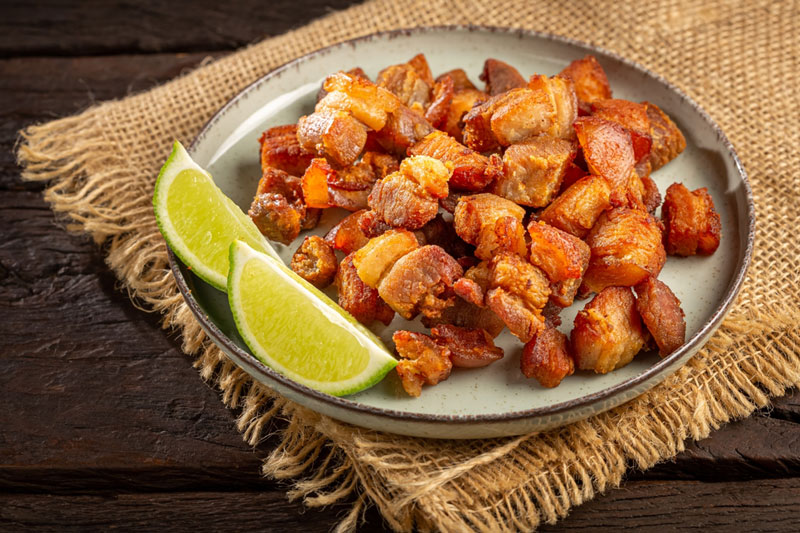
The question of whether cats can eat pork rinds is a hot topic among pet lovers. Cats, as obligate carnivores, have a unique dietary requirement. They thrive on meat and need specific nutrients that are often found in animal proteins. Pork rinds are made from the skin of pigs that has been deep fried or roasted until it is crispy. While this snack might be a hit for humans—full of flavor and crunch—it’s not appropriate for our feline friends.
Pork rinds contain high levels of fat and sodium, which can be detrimental to cats. An excessive intake of fat can lead to obesity in cats, while too much sodium can cause problems with their kidneys. Cats do not require a lot of extra salt in their diets, as they get the necessary minerals from their regular cat food. Consuming pork rinds may not only lead to nutritional imbalances but also cause digestive issues, which can result in tummy troubles like vomiting or diarrhea.
How Much Pork Rinds Can Cats Eat?
If we’re ever tempted to let our cats sample a tiny morsel of pork rind, we need to be cautious about how much they consume. The keyword here is moderation. One small piece may not cause immediate harm, but it’s best to stick to cat-safe treats to avoid any potential issues.
Generally, cats should not consume any amount of pork rinds on a regular basis, nor should it be a part of their diet at all. Their bodies are not equipped to handle such fatty and salty foods. We must think about their long-term health and the potential risks associated with feeding them human snacks. It’s always best to consult a veterinarian before introducing any human food to our cat’s diet, including pork rinds.
Sometimes, we feel tempted to share our treats with our pets, but moderation is vital. Cats have different metabolisms than humans, and what might be fine for us could be harmful to them.
To ensure our cats remain healthy and happy, it is advisable to offer them alternative treats specifically designed for feline taste buds and digestive systems. Keep in mind that many brands create tasty cat treats that are both safe and nutritious for our furry friends!
Benefits Of Pork Rinds To Cats
1. With pork rinds, there are only a few minimal benefits to consider! They are a high-protein snack for humans, but for cats, the negatives outweigh any potential gains. Our furry friends require their nutrients from meat, and while pork rinds are generally animal-based, they lack essential vitamins that cats need.
2. Consuming any human food inappropriately can create bad habits. If we allow our cats to feast on leftovers or indulge in snack foods, we could inadvertently encourage them to beg or scavenge for more human delights. This behavior can disrupt their natural feeding habits, especially if they rely on us for treats.
3. Additionally, pork rinds do not provide any beneficial nutrients. A healthy cat diet consists of high-quality cat food, ensuring they receive everything they need. Switching to unhealthy snacks can disrupt their diet plans and lead to health risks.
4. Sometimes, sharing food creates bonds, but we must be careful in doing so. Picking healthy snacks that we can share with our pets can strengthen our bonds without the health risks associated with pork rinds. It’s about creating memories together that don’t come with any unfortunate consequences!
5. Last but not least, if we ever decide to treat our pets, let’s consider cooked lean meats, or fish instead. These alternatives can be beneficial and tasty, letting our cats enjoy a delicious experience without the potential dangers of high-fat snacks like pork rinds.
Dangers Of Feeding Pork Rinds To Cats
Before considering whether we should share our pork rinds with our cats, let’s contemplate the various risks involved with these snack foods. As we mentioned earlier, the highest risk includes the excessive fat and sodium levels found in pork rinds. Both can wreak havoc on our furry friends’ tummies. Cats are not designed to process high-fat foods, and sudden changes in their diets can lead to serious consequences like pancreatitis, which is an inflammation of the pancreas.
Sodium content is another big worry; excessive amounts can put a strain on our cats’ renal systems. Cats can suffer from high blood pressure and other kidney problems due to overconsumption of salt in their diets. Existing health issues can be amplified by sharing unhealthy snacks like pork rinds, leading to costly vet bills and a distressed kitty.
In addition to gastrointestinal issues, there’s the risk of choking. Cats are often notorious for gobbling up whatever treat they receive, and even a small piece of something crunchy could pose a choking hazard. A pampered cat could struggle if a tiny piece lodged in its throat, possibly leading to a significant emergency situation.
It’s our responsibility as pet owners to keep an eye on what goes into our beloved pets’ mouths. It can be hard to resist those big, kitten-like eyes staring up at us, but it’s crucial to stay strong in times like these. Offering safe treats boosts our fur babies’ happiness without jeopardizing their health.
Substitute Of Pork Rinds For Cats
1. Treats: If we want to treat our cats, there are various alternatives to consider. Soft treats designed specifically for cats are available in pet stores, filled with nutrients tailored to their dietary needs. These treats satisfy their cravings without compromising their health.
2. Chicken or Turkey: If we want to get creative, we can opt for cooked meats such as chicken or turkey. Be sure to remove any bones, skin, or seasonings. Just plain, cooked, shredded meat can be a delightful surprise for our beloved feline friends.
3. Freeze-dried Meats: Another fun alternative is freeze-dried meats, which can be excellent snacks. Freeze-dried proteins retain nutrients and moisture, allowing our cats to enjoy the deliciousness of meat without any harmful additives. They are easy to store and serve, making them a perfect treat option!
4. Catnip-flavored Snacks: How about catnip-flavored snacks? These treats not only taste great for our cats, but they also spark their natural instincts to play. They’re safe, packed with nutrients, and can also help with their dental health!
5. Homemade Cat Treats: Lastly, if we’re feeling particularly adventurous, we could make our own homemade cat treats! There are tons of simple recipes available, allowing us to personalize the snack for our furry friends while ensuring it meets their nutritional needs.
Can Cats Eat Pork Rinds? Frequently Asked Questions
Can Cats Eat Any Other Crunchy Snacks?
Not all crunchy snacks are safe for cats! It’s always best to stick with treats specifically made for felines. However, tiny bits of crisp veggies like cucumbers or cooked carrots can be safe in small amounts.
What Should I Do If My Cat Accidentally Eats Pork Rinds?
If your kitty snags a piece, observe her closely for any signs of distress or discomfort. If she shows symptoms like vomiting, diarrhea, or lethargy, it’s a good idea to contact your vet.
Are There Any Safe Human Foods For Cats?
Yes, there are several human foods that cats can enjoy in moderation. Some examples include cooked chicken, turkey, fish, and even certain fruits like blueberries or melon!
How Do I Know What Snacks Are Safe For My Cat?
It’s best to consult your vet about safe treats for your furry friend. Always check ingredient labels and avoid foods with toxic ingredients like onions, garlic, or chocolate.
Can My Cat Have Dairy Products?
Most cats are lactose intolerant, meaning dairy can lead to upset stomachs or diarrhea. It’s usually better to avoid dairy unless your vet says it’s safe.
Final Thoughts
While the thought of sharing a crispy snack like pork rinds with our cat might seem harmless, the reality is that it poses many risks. It’s crucial to prioritize the health and well-being of our pets by providing them with safe, nutritious treats specifically made for them. Instead of indulging them with unhealthy snacks, let’s explore healthier options together. After all, our furry friends deserve the best! For more insights on what foods are safe for our cats and dogs, check out our blog for more tips and information.
We want our pets to thrive, and sticking to foods designed for them will keep them happy and healthy. For these reasons, it’s important to recognize how certain treats might impact our furry friends, whether positive or negative. If you are curious about other foods, don’t hesitate to learn if cats can eat honey ham. Enjoy discovering what treats are safe for our furry companions!