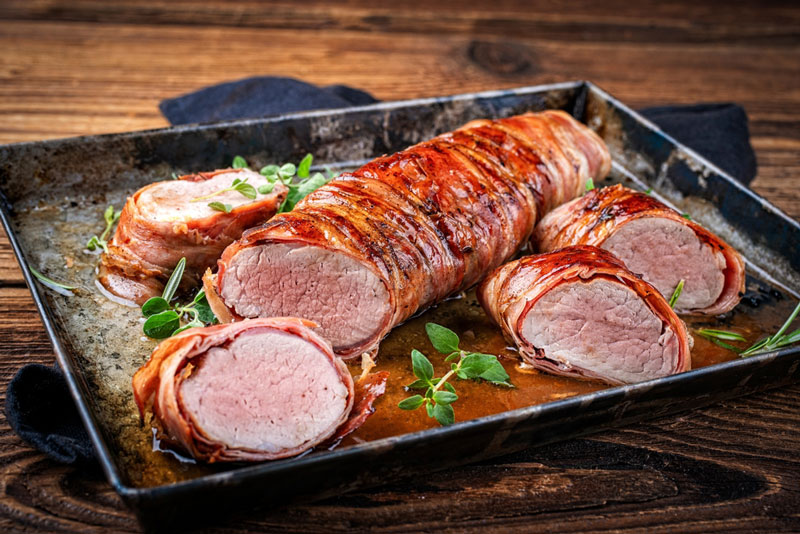
Can cats eat pork? This is a question that many cat owners might find themselves asking. The answer is yes, cats can eat pork, but there are some important things to consider. Cats are obligate carnivores, meaning they thrive on meat, which includes pork. However, not all parts of pork are suitable for our furry friends, and we need to be cautious about preparation and portions.
When thinking about adding pork to our cats’ diet, it’s good to know that pork can be a source of protein and other nutrients. However, just like with any food, it’s essential to ensure it is prepared correctly and offered in moderation. Remember, too much of a good thing can be bad, and we don’t want to upset our furry companions’ tummies, right?
So, if you’re a proud kitty parent wondering about sharing your pork chop dinner, hang tight! We will go through everything you need to know about cats and pork, and how to do it safely. By the end of this article, you will be well-informed and ready to make the best choices for your feline friend!
You might also be interested in: Can Cats Eat Lamb?
Can Cats Eat Pork?

Cats can eat pork, but we have to be careful about how we introduce it to their diets. Pork, when cooked properly, can provide a tasty treat and even some beneficial nutrients. It’s important to consider the method of cooking. Uncooked or undercooked pork can contain parasites and bacteria that can make our cats very sick. The most famous one is called trichinella, which can cause trichinosis, a disease that can lead to serious health issues.
When preparing pork for our furry friends, we should cook it thoroughly to eliminate these risks. This means no rare or medium-rare pork! We can also avoid any seasoning, sauces, or spices, as they could upset cat tummies. Simple, plain cooked pork is the best way to go. We could try baking, boiling, or grilling it without any additional ingredients.
Another factor we have to be cautious about is the fat content. Pork can be quite fatty, and our cats don’t need too much fat in their diets. Too much fat can lead to obesity and other health issues, such as pancreatitis. It’s wise to trim off any excess fat before offering it to our cats.
Lastly, portion control is essential. While a small amount of cooked pork will likely not harm them, overindulgence can lead to a variety of digestive problems and unhealthy weight gain. We should always introduce new foods gradually to our cats, so we can see how they react and ensure they aren’t allergic or intolerant to it.
How Much Pork Can Cats Eat?
So, how much pork can our feline friends enjoy? The appropriate amount of pork for cats really depends on their size, age, and dietary needs. For a small cat, maybe a sliver of cooked pork as a treat will do, while larger cats might enjoy a bit more. A good rule of thumb is that treats, including pork, should make up no more than 10% of a cat’s overall diet. This way, we keep their meals well-balanced while allowing them to enjoy a tasty morsel of pork occasionally.
If you are starting to introduce pork to your cat’s diet, we could begin with just a teaspoon-sized piece to see how they respond. If your kitty gobbles it up without any visible discomfort or digestive issues, it might be safe to offer them a tiny bit more on special occasions.
It’s important to keep in mind that some cats may love pork, while others may not show much interest. Just like humans, every cat has its preferences! We should always monitor their reactions closely. Signs of upset stomachs, such as vomiting or diarrhea after consuming pork, mean we should avoid feeding them that in the future. If these symptoms persist, we must consult with our veterinarian.
Instead of making pork a regular part of their diet, we can keep it as a special treat. Perhaps once every few weeks, we can slip a small piece of pork into their bowl, just enough to keep it exciting without compromising their health. Remember, moderation is key, and listening to our furry friend will help us make informed choices.
Benefits Of Pork To Cats
1. Good Source of Protein: Pork is a protein-rich meat, which is essential for our cats’ overall health. Protein is vital for maintaining muscle mass, providing energy, and supporting overall body functions. Cats need a high-protein diet to thrive, and pork can help meet those needs when offered safely.
2. Nutritional Content: In addition to protein, pork contains essential vitamins and minerals, including B vitamins like B6 and B12, zinc, and iron. These nutrients all contribute to a well-rounded diet that can benefit our cats’ immune systems and overall wellness.
3. Taste Variety: Cats can sometimes get bored with their usual food. Introducing a new flavor like pork can make mealtime more exciting for them. A little change in their diet can stimulate their appetite, especially if they have been picky eaters.
4. Human Bonding: Sharing a small, cooked piece of pork can create shared moments between us and our furry pals. They may watch us in anticipation as we prepare the food, and their excitement when we offer a piece can deepen our bond with them. It’s a delightful way to show our love!
5. Special Treats: Feeding our cats pork occasionally becomes a special occasion treat. Just as we love indulging in a delicious meal or snack, cats, too, enjoy flavor and variety! Treating them to pork now and then can create fun moments and make them feel loved!
Dangers Of Feeding Pork To Cats
While there are some benefits to allowing our cats to eat pork, we must also be aware of potential risks. Safety should always be our priority, so let’s look at some pitfalls.
One significant danger we face is the risk of bacterial contamination. Undercooked or raw pork can harbor parasites and harmful bacteria like E. coli and salmonella. These bad guys can lead to foodborne illnesses and result in severe health issues for our cats.
Another concern is fatty pork cuts. As we’ve mentioned earlier, pork can be fatty, and some cats may be sensitive to high-fat diets. This can lead to conditions like obesity or pancreatitis, making our kitties very uncomfortable. If we jump into indulgent treats without considering portion sizes, it can cause tummy troubles for our furry friends.
Sometimes, seasoning can be very dangerous for our cats. Ingredients such as garlic and onion can be toxic for them. So, we should always stick to plain, unseasoned pork. A tiny sprinkle of salt might be okay, but it’s best to avoid any spices. After all, cats are not like us when it comes to culinary tastes!
Lastly, if we observe any changes in our cat’s behavior, such as vomiting, diarrhea, or lethargy after they eat pork, we should stop serving it and consult our veterinarian. They will help address any underlying issues and keep our kitty companions happy and healthy.
Substitute Of Pork For Cats
1. Chicken: One of the best alternatives to pork is chicken. It provides a similar level of protein, offers great flavors, and is more commonly utilized in cat food. Most cats love chicken, and we can prepare it in various ways, such as boiling, baking, or grilling without any seasoning.
2. Turkey: Turkey is another excellent substitute for pork. Not only is it a good source of protein, but it’s typically leaner than pork. It makes for a fabulous treat when cooked plain, and many cats can’t resist the smell of roasting turkey!
3. Fish: Fish, like tuna or salmon, is an impressive option, though we should offer it in moderation due to potentially high-fat content. Not all fish is safe; we need to avoid raw fish and prepare it cooked with no bones or seasonings.
4. Lamb: For kitties with sensitivities or allergies to poultry or pork, lamb can be a great alternative. It’s also protein-rich and typically well-received by cats. Just be cautious about fat content when feeding lamb.
5. Commercial Cat Treats: Whenever we are in doubt, turning to commercially available cat treats might be the safest choice. Many of them are formulated to provide balanced nutrition and flavors that cats naturally enjoy. These treats can contribute to their diet while keeping them healthy.
Can Cats Eat Pork? Frequently Asked Questions
Is It Safe For Cats To Eat Raw Pork?
No, feeding cats raw pork is not safe due to the risk of parasites and harmful bacteria that can make them ill. Always cook pork thoroughly before sharing it with your feline friend.
Can Cats Eat Ham?
While ham may be okay in very small amounts, it’s typically high in salt and fat, making it less ideal as a frequent treat. We should limit ham and possibly even avoid it altogether due to health concerns.
Do Cats Like The Taste Of Pork?
Many cats enjoy the taste of pork, but as with any food, every kitty is different. Some may love it, while others may prefer other protein sources!
Can Kittens Eat Pork?
Kittens can eat pork, but we must ensure it is cooked well and offered in small amounts. Their digestive systems are more sensitive, so we should start with tiny bites to avoid any tummy upsets.
What Is The Best Way To Prepare Pork For Cats?
The best way to prepare pork for our feline friends is to cook it thoroughly without seasoning. Boiling, baking, or grilling are ideal methods. Make sure to trim off any fat before serving.
Final Thoughts
In conclusion, while cats can indeed eat pork, we have to proceed with caution. It can be a delightful treat when prepared correctly, but it’s essential to prioritize our kitties’ health. We can explore various meat options and find what they enjoy most, all while keeping possible risks in mind. By maintaining balance and moderation in their diet, we help our furry family members thrive.
For more information about your pet’s diet and well-being, feel free to check out our posts, such as our blog or learn about what cats can eat, including honey ham. Let’s keep those tails wagging and purring happily!