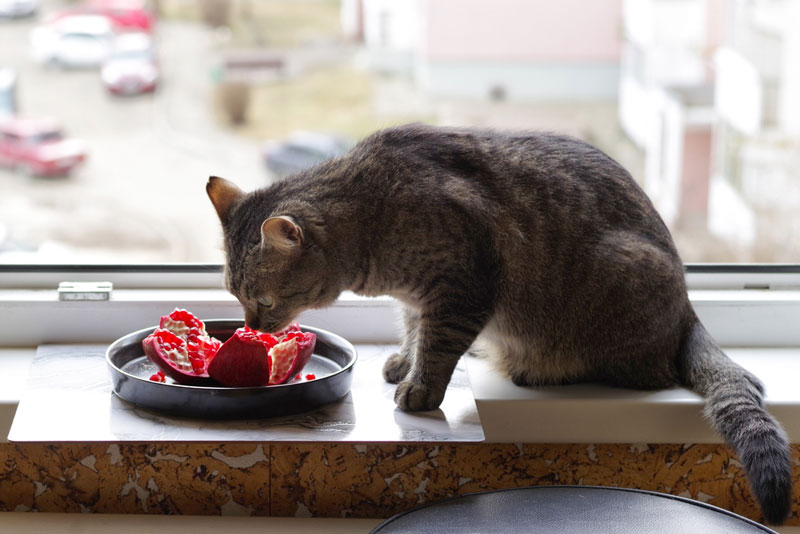
The question “Can cats eat pomegranate?” leaps into many pet owners’ minds as they consider sharing their snacks with their furry friends. The short answer is no! While pomegranates are packed with nutrients that could be beneficial for humans, they’re not suitable for our feline companions. So, if you’ve been thinking of treating your kitty to a juicy pomegranate, it’s best to think twice!
It’s understandable to want to share your favorite fruits with your cat. After all, we often treat our pets like family. However, the fruits humans enjoy might not be safe or healthy for our cats. Just like we shouldn’t feed our dogs chocolate, there are specific foods that should remain off the feline menu, and pomegranate tops that list. This fact helps keep our four-legged pals safe and healthy!
As we continue this journey of discovery, we will explore why pomegranate is not a good choice for our feline friends. We’ll look into the appropriate dietary options for cats, analyze the potential risks, and suggest some healthy substitute treats that will keep their tails wagging. So grab a seat, and let’s find out more!
You might also be interested in: Can Cats Eat Pomegranate Seeds?
Can Cats Eat Pomegranate?
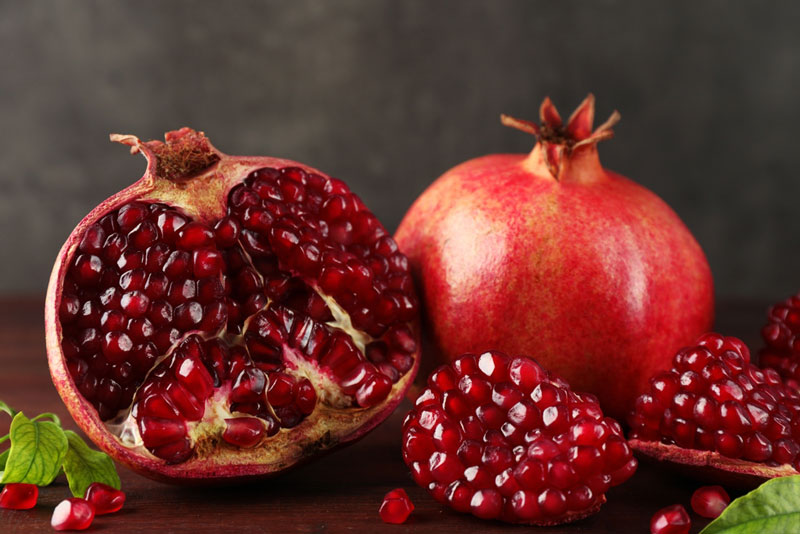
Pomegranates are some of the most beautiful and colorful fruits we can find. Loaded with antioxidants, vitamins, and minerals, they are undoubtedly good for humans. But what about our beloved cats? The answer remains clear: cats should not eat pomegranate. The seeds of the pomegranate contain something called tannins, which can be harmful to cats. These tannins can upset their stomach and lead to digestive issues.
Unlike humans who can benefit from the various nutrients present in pomegranates, cats are obligate carnivores. This means that their natural diet primarily consists of meat. Their bodies lack the necessary enzymes to properly process fruits like pomegranate. So, while a bite might seem harmless, it could lead to unwanted stomach troubles. In conclusion, it’s better to stick to cat-safe foods which align with their nutritional needs.
How Much Pomegranate Can Cats Eat?
As we understand that pomegranate is not suitable for cats, the question of how much they can safely eat becomes moot. Even a tiny bite could lead to complications. This leads us to the wisdom of knowing what to give our pets. Instead of worrying about how much pomegranate is too much, let’s focus on what they can enjoy without any issues. When it comes to treats, moderation is always key.
If you want to spoil your cat, you can explore treats specifically designed for felines that satisfy their cravings without the risk. The market is full of yummy snacks that ease our worries. From fish-based treats to chicken bites, there are many flavors we can consider for our furry pals.
It is essential to introduce new foods gradually. Always start by offering one small treat and observing how your cat reacts. If there are any signs of discomfort or adverse reactions, discontinue the new treat immediately. Wouldn’t it be horrible to find out that your attempts to treat them ended up making them ill? Let’s focus on safe options!
Benefits Of Pomegranate To Cats
1. Natural Treats: While many fruits like pomegranate may not suit cats, there are still wholesome alternatives! Many cat-friendly fruits, like bananas or melons, can be delicious and safe for your pet. These options can provide vitamins and calories without the dangers that pomegranate carries.
2. Hydration: Another fantastic benefit of some fruits is that they carry a high water content, contributing to your cat’s hydration. This is especially important for indoor cats who may not drink enough water. Fruits like watermelon can be a refreshing treat while keeping them hydrated.
3. Healthy Fats: Instead of fruits, consider some healthy fats in your cat’s diet. Fish oil can be beneficial for their coat and skin, adding shine and keeping it hydrated. This fat can even help with allergies. Cats love the taste of fish oil, which can even be a little treat on its own.
4. Positive Reinforcement: Feeding your cat safe treats can also serve educational purposes. Establishing a routine with healthy snacks offers perfect moments for training and bonding. You can teach them new tricks or reinforcement for good behavior using safe treats instead of unhealthy options.
5. Enrichment: Offering fruits as an occasional treat is just one aspect of keeping our cats happy. Enrichment comes in many forms, and stimulating their minds can be just as essential as providing them the right diet. Use treats to hide around the home, so they can utilize their natural hunting instincts and explore their surroundings.
Dangers Of Feeding Pomegranate To Cats
Eating pomegranate can pose several dangers for our feline companions. The tannins we mentioned earlier can result in digestive upset, including symptoms such as vomiting, diarrhea, and general discomfort. While our cats can sometimes be picky eaters, any offered foreign food may lead to unwanted side effects.
Another risk involves the potential for choking. Certain fruits have small seeds that can become lodged in your cat’s throat, leading to choking hazards. That’s not a fun scene for anybody! It’s crucial to keep those items well out of reach.
Lastly, some cats may have allergies to certain foods, including fruits. Introducing novel foods without caution can lead to allergy flare-ups. Rashes, stomach issues, or other signs of discomfort warrant a visit to the vet. Keeping our personal pomegranate snacks safe means staying proactive about what goes into our kitty’s bellies!
Substitute Of Pomegranate For Cats
1. Cooked Meat: The best substitute for any treat is something they’re used to – meat! Cats thrive on protein, and offering cooked chicken or turkey is a fantastic option. Make sure to avoid seasonings, as simple cooked meat is always best!
2. Fish Treats: Fish is another delectable substitute! Cats often love tuna and salmon treats. These can be found in stores and come in various flavors. Treating their whiskers to seafood once in a while can be rewarding for them.
3. Catnip: If your cat reacts positively to it, catnip can be an exciting alternative! It can provide hours of entertainment and promote exercise, leading to a healthy and happy feline!
4. Freeze-Dried Meat: Incorporating freeze-dried meat into your pet’s diet can serve as an alternate snack. They are bite-sized, chewy, and can bring the meat’s natural flavor without any harmful additives. What could be better?
5. Commercial Treats: There are numerous commercially available treats designed specifically for cats. Many contain nutritious ingredients without harmful additives. Always read the label carefully, ensuring their health remains at the forefront.
Can Cats Eat Pomegranate? Frequently Asked Questions
Can Cats Eat Pomegranate Seeds?
Pomegranate seeds aren’t considered highly toxic to cats, but they’re not recommended. The seeds are hard to chew and digest, which can lead to choking or gastrointestinal upset. The juice and pulp are also very acidic and high in natural sugars, making them unsuitable for a cat’s sensitive digestive system.
Should I Be Concerned About Giving My Cat Citrus Fruits?
Yes. Citrus fruits such as oranges, lemons, limes, and grapefruits should be avoided. They contain acids and essential oils that can irritate a cat’s stomach and, in some cases, cause vomiting, diarrhea, or drooling. Cats also tend to dislike the smell of citrus, which is their body’s way of steering clear.
What Items Should I Never Feed My Cat?
Cats should never be given foods like onions, garlic, chocolate, grapes, raisins, alcohol, caffeine, xylitol, raw dough, or heavily seasoned foods. Many human foods are either toxic or can cause serious digestive issues, so it’s safest to keep them out of your cat’s reach.
How Do I Know If My Cat Is Allergic To Something?
Allergic reactions in cats may show up as itching, skin redness, excessive grooming, vomiting, diarrhea, sneezing, or swelling—especially around the face or paws. If symptoms appear shortly after exposure to a new food, treat, or plant, stop exposure and contact your veterinarian for proper evaluation.
Can I Offer My Cat Snacks From My Meal?
Most human meals aren’t suitable for cats because they contain salt, spices, oils, or ingredients that can harm them. If you want to share a snack, choose simple, unseasoned options like a small piece of plain cooked chicken or fish. When in doubt, sticking to cat-specific treats is the safest way to keep your feline healthy.
Final Thoughts
After examining all angles, it’s clear that cats and pomegranates do not mix! The risks outweigh any potential benefits, and we want the best for our furry friends. Instead, let’s explore other wholesome alternatives and medications that suit their specific dietary needs. Keeping our cats healthy while sharing our experiences is what makes being a pet owner so fulfilling!
Before we wrap up, why not check out some of our other topics? You’ll find information on kittens, treats, and health-related queries. Or if you’re curious about the impact of certain foods, take a look at can cats eat watermelon? You might learn something new today. Happy exploring!