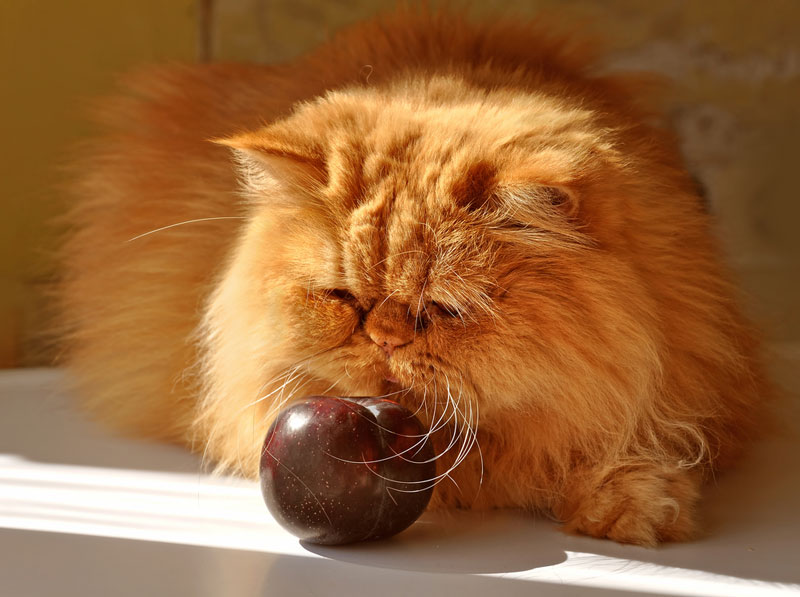
Can cats eat plums? That’s a question many of us have asked, especially when we see our feline friends eyeing our snacks. The simple answer is no, cats should not eat plums. While plums might seem like a tasty treat, they can actually be quite dangerous for our furry companions.
Plums belong to a family of stone fruits that can contain toxins that are harmful to cats. It’s important for us to look after our pets by knowing what they can and cannot eat. After all, no one wants to be the reason their beloved kitty has a tummy ache!
So, if you’re curious about the particulars of this juicy fruit and how it affects our feline friends, keep reading. We’ll explore the many reasons why plums aren’t safe for cats, what the risks are, and what alternatives you can safely offer your furry sidekick!
You might also be interested in: Can Cats Eat Lemons?
Can Cats Eat Plums?

To put it plainly, cats should not eat plums. While plums are a delicious and healthy treat for humans, they pose a variety of risks to cats. There are several reasons behind this strong recommendation. First, plums contain a compound called cyanogenic glycosides, which can release cyanide in the body when digested. Even small amounts can be potentially harmful, leading to serious health issues.
Not only that, but the pits found inside plums are also a huge choking hazard. If a cat tries to chew on one, it could lead to blockages in their digestive system. We all know how curious our cats can be, and we wouldn’t want them getting into something they shouldn’t. When it comes to our beloved pets, safety is key!
How Much Plums Can Cats Eat?
So now that we know cats shouldn’t eat plums, we should discuss how to approach the feeding of fruits in general. If a cat accidentally consumes tiny amounts of plum or even a small piece of the fleshy part, we must remember that one time might not cause immediate harm, but it is still not advisable to allow this behavior.
What about other fruits? Before introducing any new food into our cat’s diet, moderation is essential. If we do decide to experiment, it’s crucial to keep the portion very small and watch for any signs of distress or discomfort, even with safer fruits. Cats are obligate carnivores, which means their diet mainly consists of meat.
As pet owners, we often want to spoil our cats with treats, but we need to ensure we’re providing them with safe snacks. There are many pet-friendly alternatives that offer vitamins without the risks.
Benefits Of Plums To Cats
1. Plums are full of vitamins like A, C, and K that help boost the immune system in humans. However, cats gain the majority of their nutrients from meat, so plums wouldn’t provide substantial benefits to them.
2. They also contain antioxidants, which can help the body tackle free radicals. Antioxidants are good for humans, but cats have their unique ways of dealing with oxidation without needing fruits like plums.
3. The fiber in plums may support digestive health in humans, but for cats, it may induce vomiting and diarrhea. Our furry friends have sensitive stomachs, making it crucial to tread carefully when it comes to their diet.
4. Many people enjoy fruits like plums during the summer as a refreshing snack. However, there are plenty of cat-friendly snacks that can also provide hydration without the risks.
5. If we’re looking to treat our kitties, there are fruits that are safe. For instance, small amounts of cooked pumpkin or carrots can be a treat that offers some nutritional benefits without the potential dangers.
Dangers Of Feeding Plums To Cats
As mentioned earlier, the main risks associated with feeding plums or other stone fruits to our cats include toxicity and choking hazards. It’s not just about the risk of cyanide, though. Cats may experience gastrointestinal problems such as diarrhea or vomiting caused by their unique digestive system and their inability to process certain foods properly.
The presence of the pit creates a choking hazard. Cats can have their whims and may chew on just about anything. The pit could not only cause choking but could also become lodged in their intestines, causing severe issues that may need surgical intervention.
On top of it all, there are also various signs of distress to watch for. If your cat shows any abnormal behavior, such as lethargy, difficulty breathing, or excessive vomiting, you should contact your veterinarian immediately. It’s better to be safe than sorry!
Substitute Of Plums For Cats
1. Sweet Potatoes: when cooked, can be a safe and nutritious alternative for cats in small amounts. These provide vitamins that aid in digestion.
2. Cooked Carrots: These are another hit with many cats and can be a fun and crunchy treat when sliced into small pieces!
3. Plain Cooked Chicken or Turkey: This can work as a fantastic protein boost without any of the risks. Just remember to cut it into small bits!
4. Catnip: This is always a favorite and is safe for our furry friends! It can help engage them and add a touch of joy to their day.
5. Plain Yogurt: Another fun option is some plain yogurt. While not all cats can tolerate dairy, those that do may enjoy a little yogurt as an occasional treat.
Can Cats Eat Plums? Frequently Asked Questions
Are Any Fruits Safe For Cats?
Yes, some fruits are safe for cats in moderation, such as blueberries, bananas, and apples (without seeds). Each cat can have different reactions, so be cautious.
What Should I Do If My Cat Eats A Plum?
Monitor your cat for any signs of distress and contact a veterinarian for advice. It’s always best to act quickly.
Can I Give My Cat Other Fruits Besides Plums?
Yes, certain fruits like strawberries or watermelon can be safe, just make sure they are cat-friendly and given in small amounts.
Why Are Plums Dangerous For Cats?
Plums contain cyanogenic glycosides which can release cyanide when digested and have choking hazards due to their pits.
What Are Some Good Cat Treats?
Some good treats include freeze-dried meat bits, catnip, or even small amounts of plain cooked turkey or chicken.
Final Thoughts
In conclusion, while plums are delicious fruits for us humans, they are certainly not a good snack for our feline friends. The risks simply outweigh any potential benefits. By choosing safer alternatives for treats, we can keep our cats healthy and happy.
So let’s focus on what we can give our pets! It’s always a good idea to explore other topics about food safety for our lovable pets. For instance, you might want to check out what happens when cats eat anchovies. Keeping our furry companions safe and healthy is always worth the effort!
Stay informed and keep those whiskers safe.