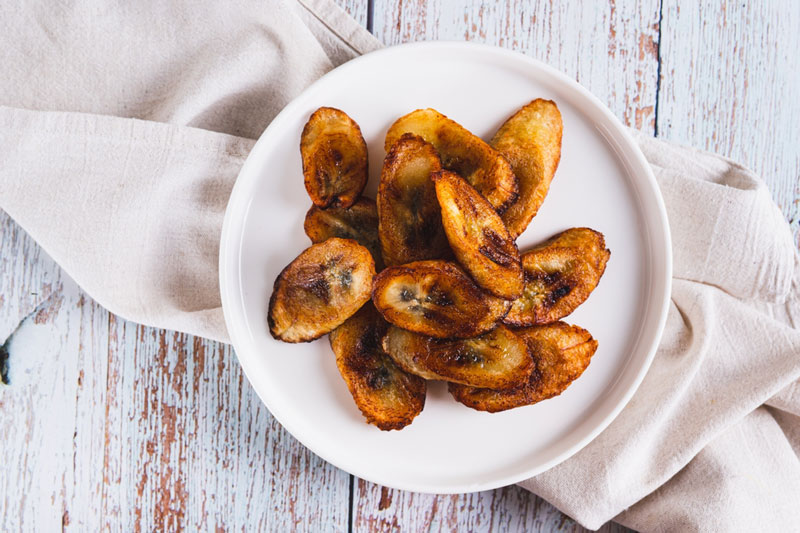
Have you ever wondered if our furry friends, the cats, can munch on plantains? Well, the short answer is no, they really shouldn’t. While plantains are delicious and nutritious for humans, they aren’t a good snack for cats. You know how we sometimes think a little nibble won’t hurt? In this case, it’s best to stick to kitty-approved treats!
Plantains belong to the banana family, and contrary to what we might think, cats are obligate carnivores. That means their digestive systems are designed to process meat instead of fruits or vegetables. So, while you might enjoy a tasty fried plantain, your cat might just be looking at it like it’s a bizarre alien from another planet!
Stick around as we explore this topic further. Understanding what we can and cannot feed our cats is essential for keeping them healthy and happy. There’s a lot to discover, and I’m here to guide you every step of the way!
You might also be interested in: Can Cats Eat Melon?
Can Cats Eat Plantains?
When it comes to our feline companions, we want to ensure they are eating the right foods. So, let’s unpack the question: can cats eat plantains? We need to be clear that while plantains might seem innocent, they don’t make the cut when it comes to our cats’ diets. The primary reason is that cats require a diet rich in protein. Plantains, being a carbohydrate-rich fruit, don’t provide the essential nutrients a cat needs to thrive.
Interestingly, cats have thrived as hunters for thousands of years. Their bodies are built for consuming protein, fats, and very minimal carbohydrates. So, while a piece of plantain might look very tempting to us, to a cat, it offers very little of what they actually need. Instead of providing health benefits, it might lead to tummy troubles or allergic reactions in some cats.
How Much Plantains Can Cats Eat?
If we’ve established that plantains are no-go for cats, you might wonder: what if I only give them a tiny bit? Even a small amount could cause digestive upset because our feline friends may not process such carbohydrates well. It often boils down to this: it’s better to play it safe and completely avoid plantains rather than testing how much is okay. After all, we wouldn’t want to be the ones responsible for a plantain-related catastrophe in our homes!
In essence, there is no safe amount of plantains that we can safely recommend for our cats. We need to emphasize that the best approach is to focus on cat-friendly foods that can enrich their diet instead. Think about the regular meals you provide for them, ensuring they are full of protein and moisture, which help keep our fur babies hydrated and satisfied. Remember, happy cats mean happy owners!
So when your cat gives you those adorable, pleading eyes, it’s essential to ignore their whims for plantains. Instead, we should always keep handy some cat treats that are designed just for them. Trust me; they’ll appreciate the catnip toys and fishy-flavored delights more than any plantain slice.
As loving pet parents, it’s always hard to say no, but it’s part of the responsibility we took on when we decided to adopt these precious furballs! Keep in mind that healthy eating habits contribute to a longer life, and that’s what we want for our cuddly companions!
Benefits Of Plantains To Cats
Even though we firmly believe our beloved cats should steer clear of plantains, let’s look at the benefits of foods that could be suitable for them instead. If we focus our discussion on nutritious food choices, we can build a happier, healthier feline family.
1. High Protein Options: Cats need protein to survive. Think cooked chicken or turkey, tuna, or specialized cat food that contains sufficient meat sources. These foods help maintain strong muscles and keep our feline friends active and playful.
2. Hydration: Cats often don’t drink enough water. Including wet cat food in their diet can combat this issue. Plus, fish flavors seem to be winners amongst kitty taste tests. Keep them hydrated, and they’ll be less likely to get urinary issues.
3. Omega Fatty Acids: Foods rich in omega fatty acids can work wonders on our cats’ skin and fur. Introducing a bit of cooked salmon from time to time can help keep their coats shiny and healthy, combating any dry skin issues.
4. Fiber: Sometimes, our furry pals need a bit of fiber to help their digestion. Occasionally offering small amounts of plain pumpkin can help with digestion without the risk that plantains might pose.
5. Diversity of Diet: Just like we love a variety of foods, our cats can enjoy different tastes too. A balanced diet ensures they receive all necessary nutrients and can avoid boredom in their meals. A little creativity in their diet can also keep them extra excited!
Dangers Of Feeding Plantains To Cats
While we’ve covered a lot about the potential harm of plantains, let’s dive into the specific risks. Our cats can’t vocalize discomfort the way we can, making it our responsibility to identify what’s best for them.
First off, one of the biggest dangers is digestive upset. Cats may experience vomiting or diarrhea if they consume foods like plantains that don’t sit well with their systems. This discomfort is never pleasant, and as pet parents, seeing our cats unhappy is the last thing we want!
Another critical danger is the risk of allergies. Just like humans can be allergic to certain foods, cats can be too! By introducing new foods, especially those that are not designed for them, we run the risk of triggering a bad reaction. These allergic reactions can present as itchy skin, gastrointestinal issues, or even respiratory distress in some cases.
We also must consider the potential for weight gain. If we aren’t careful about what we’re feeding our cats, they could pack on the pounds. Plantains are calories dense, and while that might not seem alarming for us, it can become a real concern for cats—leading to obesity and related health problems down the line.
Lastly, the long-term health detriment of feeding our cats foods like plantains can affect their overall well-being. We should choose wisely when it comes to their diet, as every meal we provide is a building block for their future health. By focusing on the right foods, we can help our furry companions live longer, happier lives.
Substitute Of Plantains For Cats
Now that we’ve established that plantains are best left alone for our kitty companions, let’s explore some fantastic substitutes that can help keep our cats mentally and physically satisfied! Choosing alternatives is not only the responsible thing to do but also a great way to promote good habits.
1. Lean Meats: Chicken, turkey, or even a bit of lean beef can be great additions. These protein sources are much more aligned with a cat’s dietary needs and can provide essential nutrients, helping maintain good health.
2. Cooked Fish: Cats generally love seafood. Consider cooked fish like salmon or sardines with no added spices. Just be sure to debone it beforehand because we wouldn’t want our furry friends choking on any small bone pieces!
3. Cat Treats: There is an array of commercially prepared cat treats available. They are specifically designed to enrich your cats’ diets and keep their taste buds entertained. Try ones with various flavors to see which ones your cat prefers!
4. Catnip or Cat Grass: These delightful additions can serve as a great snack and offer stimulation. Catnip is known to engage our furry friends, and cat grass can offer some added fiber in their diet!
5. Cooked Pumpkin: Plain, cooked pumpkin is excellent for your kitty’s digestion and won’t lead to unwanted problems that plantains might. It’s a natural fiber source and won’t upset their sensitive tummies.
Can Cats Eat Plantains? Frequently Asked Questions
Can Cats Eat Other Fruits?
Some fruits, like blueberries or watermelon, are safe for cats in very small amounts. Always introduce new fruits with caution.
What Should I Do If My Cat Eats Plantains?
If your cat has eaten plantains, monitor them closely for any signs of distress. If you notice things like vomiting or diarrhea, consult your veterinarian.
Are there any veggies that are safe for cats?
Carrots and peas are generally safe in small amounts. Cooked squash can also be a great addition to their diet.
Can I Feed My Cat Store-Bought Cat Food With Plantains?
No, it’s best to avoid any food with plantains since they do not provide nutritional benefits for cats.
How Can I Tell If My Cat Is Having A Food Reaction?
Signs of a food reaction can include vomiting, diarrhea, itching, or changes in behavior. If any symptoms arise, consult your vet promptly.
Final Thoughts
Staying informed about what we feed our feline friends is an essential part of being a loving pet parent. Plantains may be a hit for us humans, but they’re a definite no-no for our cats. Remember to champion high-quality protein, hydration, and cat-friendly treats to keep our furry companions healthy and happy.
For additional insights about cat nutrition or other topics related to our pets, feel free to check out articles like this blog for more information! And don’t forget to discover the segment on whether cats can eat pumpkin puree. Our pets depend on us to keep their lives fun, safe, and delicious!