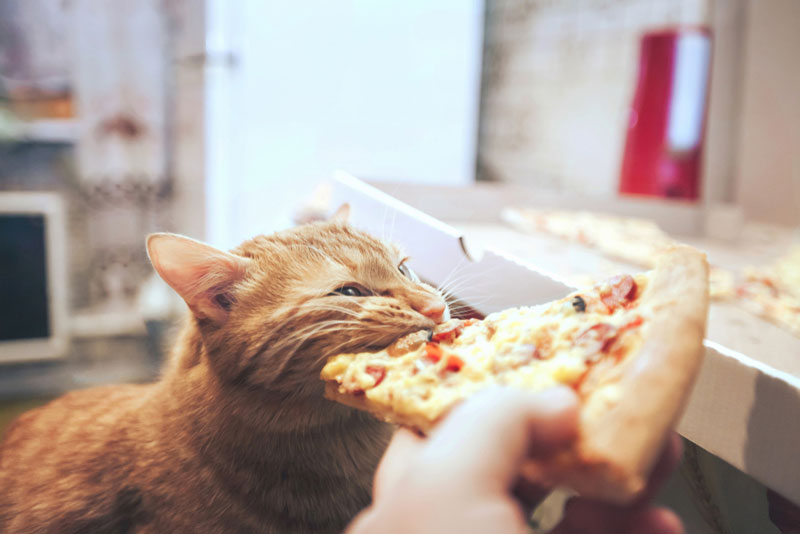
Have you ever looked at your plate of pizza and wondered if your furry friend could share in the deliciousness? Well, let’s cut to the chase – no, cats should not eat pizza. This tasty treat, while appealing to us, can pose risks for our feline companions. So, if your kitty’s giving you those big, adorable eyes as you enjoy your slice, remember that it’s best for them to stick to their cat food!
As pet lovers, we want nothing more than to pamper our pets. We often want to share our own meals with them. But pizza, with its melting cheese and rich toppings, is not a safe choice for our cats. Just like some human foods can be harmful, our beloved pet’s diets should be carefully considered. Keep reading and together, let’s explore why pizza isn’t suitable for cats and discover some better alternatives they can truly enjoy!
Curious about what happens if our kitties get a bite of pizza or what other tasty alternatives they may enjoy? Stay with us as we take you through everything you need to know. From the risks and dangers to the benefits and substitutes, you’ll find all the answers right here. Plus, you’ll gain insights that ensure your furry friend stays healthy and happy!
You might also be interested in: Can Cats Eat Potato Chips?
Can Cats Eat Pizza?
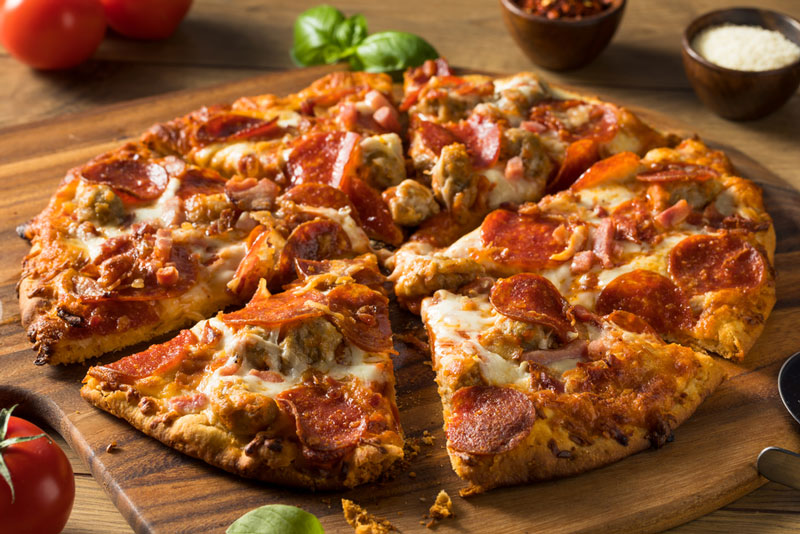
As we already mentioned, the answer is a decisive no. While pizza might be a highlight of our dinner table, it’s not the best choice for our feline friends. Let’s dig deeper into the reasons why pizza poses a risk to cats.
For starters, pizza contains a variety of ingredients that could be harmful to our kitties. The primary concern is cheese. Many of us enjoy the stretchy, gooey goodness of cheese, but cats can be lactose intolerant. This means they struggle to digest lactose, which is present in dairy products. If they ingest cheese, it could lead to an upset stomach, diarrhea, or other digestive issues.
Then there’s the sauce. Most pizza sauces contain tomatoes, which can be problematic. While tomatoes themselves aren’t toxic to cats when cooked, some pizza sauces may add garlic or onion for flavor, both of which are harmful to cats when consumed in large quantities. Even small amounts can lead to a condition called hemolytic anemia, which affects red blood cells and can make your cat very sick.
Let’s not forget about the toppings! Many types of pizza are loaded with toppings that could create trouble. Meats like pepperoni or sausage might seem enticing to a cat, but they are usually high in fat and sodium, which isn’t healthy for our pets. These can lead to obesity, heart issues, or digestive problems.
In summary, pizza is not a suitable food for cats for several reasons—cheese might upset their stomachs, sauces can contain harmful ingredients, and toppings are often not healthy. That doesn’t mean we can’t make our cats happy! It’s just essential to stick with the foods designed for their dietary needs.
How Much Pizza Can Cats Eat?
If you’re feeling curious about how much pizza a cat could technically eat, remember that it’s really not about ‘how much’ but rather ‘not at all.’ Even a tiny bite could lead to unwanted consequences. Imagine if your cat manages to snag a little piece from your plate – still, that wouldn’t make it a good choice.
Some may wonder, “What if my cat loves it?” Cats can be creatures of habit and may show interest in what we’re eating. But as responsible pet owners, it’s our duty to establish boundaries and provide appropriate meals that ensure their health. Just because a cat likes something doesn’t mean it’s good for them!
Instead of offering them pizza, we should focus on giving them small bites of treats formulated just for them. These can include catnip-flavored snacks or even cooked chicken or fish as a special reward. Still, moderation is key — even with these treats, they should only make up a small part of your cat’s diet to maintain a balanced meal plan.
So, let’s keep pizza off the table! We certainly don’t want to ruin our charming dinner moments with a trip to the vet due to an upset kitty tummy! Let’s stay focused on healthier options for our furry companions.
Benefits Of Pizza To Cats
While it may seem like offering our cats a piece of pizza would be a fun experience for them, there are much better things we can give them. Let’s explore the benefits of serving our feline friends appropriate treats instead of pizza.
1. Nutritional Balance: One of the most significant benefits of providing our cats with proper food is that it ensures a balanced diet. Cat food is specially formulated to contain all the essential nutrients cats need to stay healthy. When cats eat well, they have more energy, maintain a healthy weight, and live longer, happier lives.
2. Digestive Health: Cats require a diet that supports their digestive systems. Proper cat food is designed to aid digestion, while pizza can lead to gastrointestinal issues. A well-balanced diet prevents problems like constipation and diarrhea, ensuring your cat’s digestive health remains in check.
3. Strong Immune System: A nutritious diet helps boost your cat’s immune system, keeping them safe from illnesses and infections. Pizza, with its high fat and sodium content, doesn’t support a robust immune system. In fact, poor nutrition can make them more susceptible to health problems.
4. Healthy Weight: Managing your cat’s weight is essential for their overall well-being. Pizza is high in calories and fat, which can easily lead to obesity if consumed. By giving them appropriate food, we help them maintain a healthy weight, avoiding issues related to obesity, such as joint problems and diabetes.
5. Bonding Time: Giving your cat special treats that are meant for them can be a fantastic bonding experience. Instead of sharing your pizza, spend time with your cat by playing or showing love in other ways. Treats designed for cats are safe and reinforce that bond without jeopardizing their health.
Dangers Of Feeding Pizza To Cats
When it comes to our beloved feline friends, the last thing we want is to put them at risk. Let’s delve into the dangers tied to allowing our cats to eat pizza and why we should avoid this at all costs.
One of the primary risks is the potential for allergic reactions. Just as people can have allergies to gluten or dairy, cats can have similar sensitivities. Pizza includes ingredients that could trigger allergic reactions. If your cat has been exposed to something they are intolerant to, they might show signs like vomiting, itching, or breathing difficulties.
On top of that, there’s the danger of certain toppings. Some pizza toppings can pose significant threats. For instance, if you enjoy garlic and onions on your pizza, remember that these are seriously toxic to cats. Garlic can cause damage to their red blood cells, leading to issues like anemia. Even small amounts of these ingredients can be harmful and lead to serious health problems.
Obesity is another major risk when cats are exposed to high-fat foods. This can lead to a slippery slope of health concerns, including diabetes and joint problems. Young cats are affected differently than older cats. An overweight young cat can develop lifelong issues, while an older cat may already have underlying health conditions, and extra weight can exacerbate them.
Lastly, the sodium content in pizza can also lead to excessive thirst and urination. High levels of sodium in a cat’s diet can increase the risk of dehydration, which can, in turn, lead to kidney problems. We definitely don’t want to accidentally contribute to something that could shorten our best friend’s lifespan.
Substitute Of Pizza For Cats
Wondering about some tasty alternatives to pizza? Fret not! There are plenty of healthy treats designed just for our furry companions. Here are five excellent substitutes:
1. Cooked Chicken or Turkey: Our cats are obligate carnivores, meaning meat is their best friend! Offer them small pieces of cooked chicken or turkey without any seasoning. It’s protein-rich, delicious, and sure to make their whiskers twitch with excitement!
2. Tuna Treats: Cats just go crazy for tuna! You can find treats that are flavored with real fish. Just be cautious to feed this in moderation, as they can be high in mercury. But as an occasional treat, your cats will love you for it.
3. Catnip-Infused Snacks: Catnip is nature’s gift to cats! Many commercial treats incorporate catnip, providing enjoyment and reinforcing their playful side. It’s safe and provides great bonding time as they enjoy their snack.
4. Freeze-Dried Meat Treats: High-quality freeze-dried meat treats offer a real-life treat without harmful ingredients. Check at your local pet store for these healthy options. Simply toss a few in their food bowl, and watch as they scamper to gobble them up!
5. Homemade Cat Delights: If you enjoy cooking, consider whipping up some homemade treats specifically for your furry friend. There are numerous recipes available that use safe ingredients for cats—like pumpkin, fish, and chicken. Your cat will love the personalized touch!
Can Cats Eat Pizza? Frequently Asked Questions
What Should I Do If My Cat Ate Pizza?
If your cat snuck a piece of pizza, keep an eye on them. Look for symptoms like vomiting or lethargy. If they show any signs of distress, contact your vet.
Are There Any Safe Pizza Toppings For Cats?
While cats shouldn’t eat pizza, if they had to, plain cooked chicken or fish could be safer toppings. Just make sure they are non-seasoned and in small quantities.
Can My Cat Have Cheese In Small Amounts?
Some cats may tolerate a tiny piece of cheese, but many are lactose intolerant. If they react poorly, avoid giving them dairy products altogether.
What Are The Signs My Cat Is Having A Bad Reaction To Food?
Look out for vomiting, diarrhea, lethargy, or any unusual behavior. If you notice any of these symptoms, consult your vet.
How Often Should I Treat My Cat?
Treats should only make up about 10% of your cat’s diet. It’s better to offer them occasionally rather than as a regular part of their meals.
Final Thoughts
Sharing pizza with our feline friends may sound like a lovely idea, but it really isn’t in their best interest. Remember, we are their caretakers, and we should prioritize their health over tasty treats. Stick to high-quality cat food and safe treats, and your cat will thank you with purrs and head-butts.
If you want to learn more about pet nutrition and other fun topics, be sure to explore our other articles. For instance, find out if cats can eat mac and cheese and learn more about what treats could suit our other beloved pets. Remember, knowledge truly is the best treat for us all!