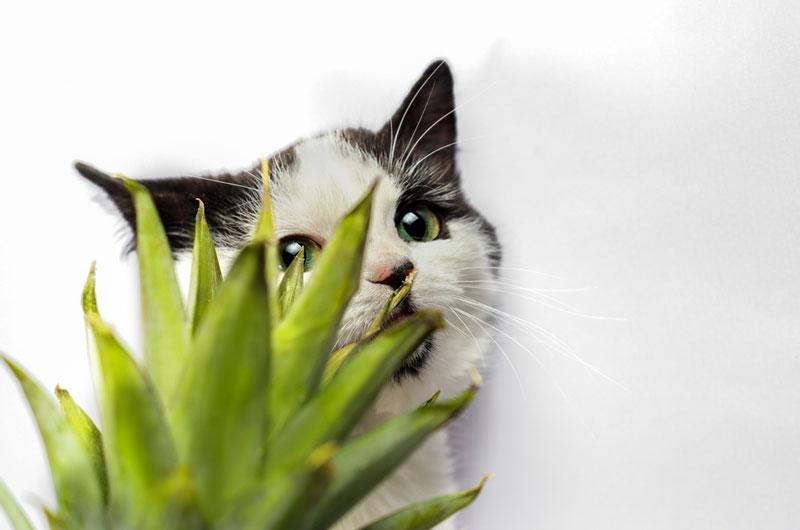
Have you ever wondered if your furry friend, your cat, can munch on those spiky pineapple leaves? Well, the short answer is no, cats should not eat pineapple leaves. They can be harmful and are not suitable snacks for our feline companions. Pineapple leaves contain compounds that might upset your cat’s stomach or even cause more serious issues.
This intriguing question brings us to the topic of what cats actually can eat and what we should keep away from them. Although cats are known for their picky eating habits, there are certain foods that we must also ensure do not make their way into their paws. Pineapple leaves, with their sharp texture and potential toxicity, definitely make the list of foods to avoid.
So, if you’re curious about why pineapple leaves are not an option for our meowing pals or what alternative treats we can offer instead, keep reading! You’ll find all the vital information you need right here.
You might also be interested in: Can Cats Eat Leaves?
Can Cats Eat Pineapple Leaves?
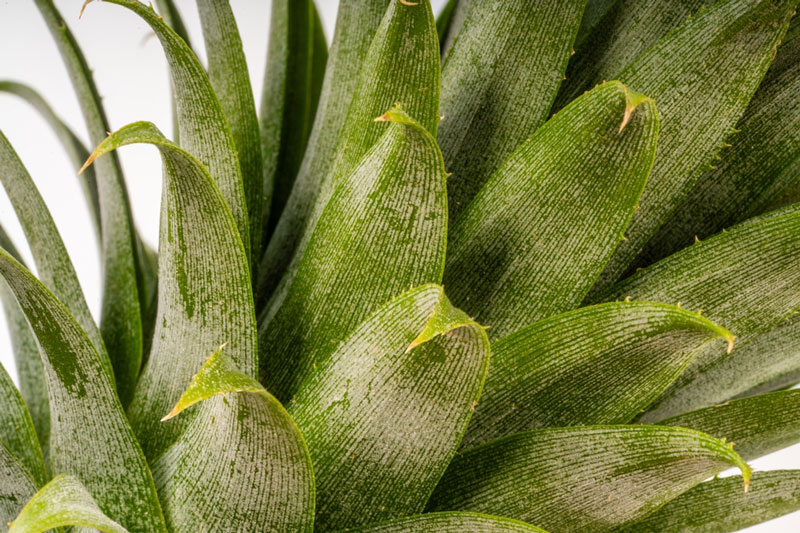
This is an interesting topic that many pet owners may not even consider. Pineapple leaves are stiff, sharp, and not very inviting for a cat to chew on. It’s essential to understand that while some plant materials are safe for cats, others can pose significant risks. Pineapple leaves can indeed fall into the latter category.
Pineapple, the fruit, is generally safe for cats in small amounts. However, the leaves are a different story. They can cause gastrointestinal distress in your feline friend. The main issue lies in the tough fibers and compounds present in the leaves. If your cat chews on the leaves, they might end up with a tummy ache or even worse, more severe digestive problems.
From a veterinarian’s perspective, it’s crucial for all pet owners to know which plants and foods are safe for their pets. Keeping our pets healthy and happy is our top priority, and being informed goes a long way in achieving that. So, let’s explore the topic a little deeper!
How Much Pineapple Leaves Can Cats Eat?
If a cat accidentally bites into a pineapple leaf, the situation could vary. Some might experience mild stomach upset due to the tough fibers, while others may not react at all. It’s essential to keep a close watch on your kitty if they accidentally get a taste of something they shouldn’t. Symptoms like vomiting, diarrhea, or unusual lethargy could arise, and those situations would certainly require a trip to the vet.
So instead of worrying about how much pineapple leaf your cat can eat, let’s talk about what they can eat! Foods like chicken, turkey, and certain fish are great options. Even treats made especially for cats that provide the nutrients they need while still being tasty. Remember to introduce any new food slowly and watch closely for any adverse reactions!
In conclusion, pineapple leaves should be classified as a “no-go” zone for our feline friends. It helps to read up not only on toxic plants but also on safe alternatives. Giving your cat special treats can be fun and rewarding, so let’s keep it safe!
Benefits Of Pineapple Leaves To Cats
1. There are very few, if any, benefits to cats consuming pineapple leaves. The leaves are fibrous and can lead to digestive issues. This is why we should stick to safer options in the pet snack aisle!
2. Instead, we can look to fruits in small amounts like melons or certain berries that are generally safe for cats. Remember to remove the seeds and give them a little bit to avoid any stomach trouble.
3. It’s crucial to emphasize that healthy snacks can strengthen our bond with our cats. Offering safe snacks that cats can enjoy is enjoyable for us as owners and for our pets. Pineapple leaves just don’t fit into that picture.
4. A healthy diet filled with love and care can make our pets feel happier and more energetic. This means nourishing their body with the right nutrients and keeping them away from harmful substances.
5. We also discover that various herbs and spices can naturally benefit our pets. Catnip is a well-known favorite among many felines, and allowing them to indulge can lead to delightful antics!
Dangers Of Feeding Pineapple Leaves To Cats
When we talk about risks linked to pineapple leaves, it is crucial to outline the prominent dangers. While cats may not actively seek out pineapple leaves, accidental ingestion can happen, especially if we have plants within their reach. The consequences can be varied, including stomach cramps, vomiting, or diarrhea.
We must be vigilant and educate ourselves about our pets’ surroundings. If we know our cats tend to nibble on houseplants or outdoor flora, we should take extra care with our plant choices. There are many safe plants we can bring into our world that won’t pose a threat to our beloved pets.
Another concern might stem from what happens if a cat consistently ingests harmful materials. Long-term exposure to harmful plants may produce chronic health issues. Just as we wouldn’t feed them harmful foods, we shouldn’t let them have access to harmful flora. Watching our cats’ habits daily creates awareness and promotes good health.
Being proactive is the best way to keep our furry friends safe. If needed, contacting your vet for more details about potential dangers in your home can lead us to understanding what plants to keep nearby. Let’s keep our home lively and inviting while ensuring our feline companions are safe!
Substitute Of Pineapple Leaves For Cats
1. Cooked Chicken or Turkey: Rather than allowing access to questionable plants like pineapple leaves, we can provide our cats with safe, approved snacks. Cooked chicken or turkey without seasoning works wonderfully as a treat.
2. Interactive Toys: Looking for alternatives for play can also lead us to some great options! Interactive toys shaped like different fruits or even fish can give our cats a fun time without the risks.
3. Leafy Greens: We might also consider using leafy greens like cat grass. This is a safe and enjoyable alternative for cats who love to nibble. Cat grass can provide some benefits and ensures safety.
4. Low-calorie Treats: This designed for cats can also be a good option. These are specifically formulated to meet their needs, and they can enjoy them without endangering their health.
5. Consulting With Our Vet: If we ever feel unsure about what constitutes a good treat for our cats, consulting with our vet will help us discover the safest and healthiest options available!
Can Cats Eat Pineapple Leaves? Frequently Asked Questions
What Should I Do If My Cat Eats Pineapple Leaves?
If your cat ingests pineapple leaves, monitor them closely for any symptoms like vomiting or lethargy. If they exhibit any unusual behavior, contact your vet immediately.
Are There Any Fruits That Are Safe For Cats?
Yes, some fruits such as blueberries, watermelon, and small pieces of cooked pumpkin can be safe for cats in moderation. Always remove seeds and ensure they have been prepared properly.
Can My Cat Have Pineapple Fruit Instead?
Pineapple fruit can be safe in small, cut-up pieces without the skin or core. Introduce it gradually and watch for any digestive reactions.
How Can I Prevent My Cat From Eating Harmful Plants?
Creating a cat-free zone around plants or choosing non-toxic options for your home can prevent unexpected munching. Cats can be curious, and utilizing barriers or safe alternatives helps keep them safe.
What Are The Signs My Cat Is Having An Allergic Reaction?
Common signs of an allergic reaction in cats include itchiness, swelling, sneezing, or gastrointestinal issues. If you suspect your cat is having a reaction, consult your vet for further advice.
Final Thoughts
Caring for our feline friends includes ensuring their safety, especially when it comes to what they consume. We’ve learned that while pineapple leaves can be dangerous for cats, we can provide plenty of safe and delightful snack options! Our cats rely on us, and by educating ourselves, we can enrich their lives with healthy treats and safe plants. Don’t hesitate to explore more topics that can help us support our pets’ well-being. For more helpful tips, check out what happens if cats eat fruits and the implications of certain berries in our cat’s diet. We can choose to be informed and proactive for our furry companions!