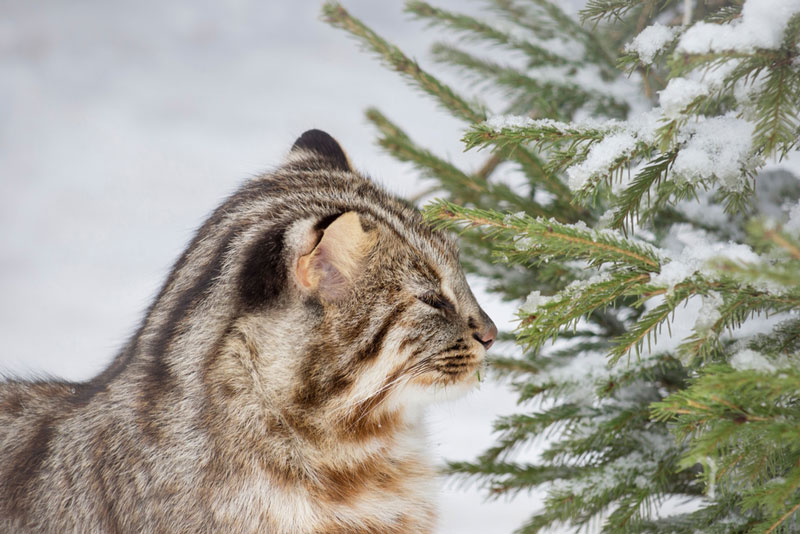
Can our feline friends indulge in a tasty treat of pine needles? The short answer is no, cats should not eat pine needles. While they may be curious and tempted to nibble on them, these needles can be quite harmful to their health. It’s always best to keep a close eye on what our pets munch on, especially with plants that are common but potentially dangerous.
While pine needles might look intriguing to our curious kitties, they are not meant for feline consumption. Pine needles can cause a range of stomach issues, and in some cases, they might lead to more severe health problems. As loving pet owners, we want to create a safe environment for our furry buddies. There are many other safe and tasty treats we can offer them instead.
Continue reading as we explore the ins and outs of why pine needles are off-limits for our cats. We’ll look at how much of these needles might be considered, the benefits (if any) they could offer, the risks involved, and what substitutes we can provide to keep our cats happy and healthy.
You might also be interested in: Can Cats Eat Lemongrass?
Can Cats Eat Pine Needles?
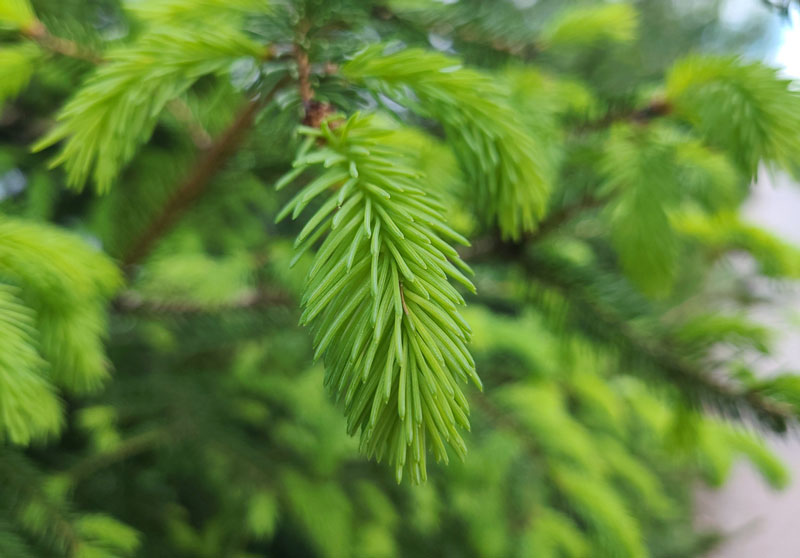
When it comes to our furry companions, it’s natural to wonder about their eating habits and choices. One such question many of us have asked is whether cats can eat pine needles. Cats are notoriously curious creatures, and their inclination to nibble on things we wouldn’t expect can often leave us puzzled. Pine needles, the sharp, pointy leaves of the pine tree, may catch their attention, especially during festive seasons when potted Christmas trees grace our homes.
But before we rush to let our kitties try them, let’s consider what pine needles are made of. These needles contain a substance called essential oils, which can cause gastrointestinal upset in cats. If a cat manages to eat a significant amount of pine needles, it could lead to vomiting or diarrhea, potentially causing dehydration. Thankfully, most cats will instinctively avoid these sharp, prickly green leaves, but as diligent pet caregivers, it’s essential to eliminate any opportunity for them to mistake them for a tasty snack.
Now, you might be wondering why cats would even consider munching on these needles. Cats may often chew on unusual items because they are bored, seeking stimulation, or trying to soothe their gums if they are teething. So if we notice our cats showing interest in pine needles, it’s a good idea to redirect their focus to more appropriate toys or treats. We can also ensure that our homes are free from these potentially harmful plants, allowing us to relax, knowing our furry friends are safe and sound.
How Much Pine Needles Can Cats Eat?
While it’s crucial to establish that pine needles are not a safe snack for our cats, let’s talk about how much of these needles can be harmful. The amount isn’t the most straightforward answer, as it varies from one cat to another. Some cats might react adversely after consuming just a few needles, while others may require a larger quantity to show symptoms. Regardless, we should always err on the side of caution. If our cats tend to nibble on pine needles, we should take preventive measures to keep those needles away from our feline friends.
In our role as caring pet parents, it’s best to treat pine needles as a complete no-go for our kitties. The sharpness can lead to physical injury as well. Plus, the essential oils in pine can create a toxic environment for our cats. So why risk it? Instead of focusing on how much they can consume before it becomes dangerous, let’s focus on providing our cats with healthy and safe food alternatives that nourish and delight.
We know that cats are sometimes going to have their moments of curiosity, and that’s completely normal. Cats are natural hunters and explorers by nature. However, when it comes to vegetation, our responsibility is to oversee their safety and well-being. Regularly monitoring what wild or common plants are accessible to our cats will help keep our furry friends safe from harm.
So, what do we do if our cat has ingested pine needles? If we witness such an incident, keep an eye on them for any unusual behavior, such as vomiting or a lack of appetite. It’s a great rule of thumb to consult with our veterinarian to get the best advice, having them explain any concerning symptoms we might observe. Remember, our cats rely on us for protection and care, and monitoring their munching habits is a significant part of that duty.
Benefits Of Pine Needles To Cats
1. There are very few, if any, benefits to cats consuming pine needles. In fact, most of the time, the risks far outweigh any potential perks associated with these prickly treats. Some people might think that plants like pine provide visual or tactile stimulation for our furry friends, but there are far safer options out there for them to enjoy!
2. Providing an enriching environment for our cats to explore is essential. Opt instead for cat-friendly herbs like catnip or wheatgrass, which not only entertain our kitty companions but offer safety and nutrition, too.
3. When it comes to offering texture, there are safe alternatives available. Providing hard kibble, interactive toys, or soft chewables can help support their chewing instincts without the threat of dangerous plants like pine needles getting in the way.
4. Additionally, if we really want to spoil our cats with plant-based goodies, we could explore options like small amounts of cooked pumpkin or sweet potato. These are healthy, safe, and delicious, giving our kitties the satisfaction of enjoying something unique!
5. Finally, let’s not forget the joy of spending quality time with our feline friends. Playing with them, engaging them in feather-toy chases, or even teaching them a trick can be far more beneficial than allowing access to harmful plants.
Dangers Of Feeding Pine Needles To Cats
When we talk about risks associated with our cats consuming pine needles, the potential dangers can be severe. Pine needle ingestion can result in several negative health effects. The sharp edges of the needles can cause injury to a cat’s mouth, throat, and digestive tract. If your cat consumes a big enough portion, it can lead to irritation or laceration of the gastrointestinal tract, which could require medical attention. Acute problems that arise from ingestion can also lead to nausea, weakness, vomiting, and diarrhea.
Additionally, it’s essential to recognize that the essential oils in pine and their compounds, particularly from certain varieties like the Yew tree, can be toxic or even deadly to cats and other pets. A cat that suffers from essential oil toxicity may exhibit symptoms like lethargy, tremors, or difficulty breathing. We cannot stress enough that taking immediate action by contacting a vet could potentially save a life.
As vigilant caretakers, we want to closely watch the plants and materials accessible to our pets. The most practical approach is to consider prevention in the first place. Even if our cats seem uninterested in eating pine needles, keeping plants known to pose risks out of reach is always wise. When decorating for the holidays, we should be especially careful with any greenery we bring inside our homes.
Signs of distress in our cats can be subtle, and it’s our responsibility to stay alert. We know our cats well, so any sudden behavioral changes might be an indication of discomfort. If you notice your cat acting out of sorts or showing signs of distress, please reach out to a veterinarian right away. Prompt observation and adaptability are key in ensuring our cats remain happy and safe!
Substitute Of Pine Needles For Cats
1. Cat Grass: As we mentioned before, our goal is to provide safe and healthy alternatives for our furry friends. If you’re looking for a substitute treat for your cat, consider cat grass. Cat grass is safe for cats to nibble on, and it offers all the fun without any risks associated with pine needles.
2. Catnip: Another fantastic option is catnip! Many cats adore this herb, and it can bring them joy and enrichment at the same time. Catnip engages our kitties and is safe for their well-being.
3.Cooked Pumpkin or Sweet Potato: Look into providing cooked pumpkin or sweet potato as occasional treats! These are safe, nutritious, and can even help with digestive health when introduced in moderation.
4. Interactive Toys: We should also consider interactive toys that stimulate mental engagement. Toys with catnip or wand toys can pique our cats’ interest and encourage them to chase and play while keeping them away from unsafe plants.
5. Entertaining Structures: Lastly, creating an environment where our cats can explore and play will help reduce the temptation to reach for items like pine needles. Providing plenty of climbing structures and cozy hideouts makes a happy cat busy and occupied. Keeping our cats entertained and loved is the key to a healthy and happy pet!
Can Cats Eat Pine Needles? Frequently Asked Questions
What Should I Do If My Cat Eats Pine Needles?
If you notice your cat chomping on some pine needles or you’ve caught them consuming a large amount, monitoring them is crucial. Make sure to keep a close eye on their behavior and contact your veterinarian if you notice any unusual symptoms such as vomiting or illness.
Are There Any Plants That Are Safe For Cats?
Yes! There are plenty of cat-friendly plants, such as cat grass, catnip, and even certain flowers like the spider plant. Always check with your vet or research safe indoor plants for cats to ensure your home stays a haven for your furry friend.
What About The Christmas Tree? Is It Safe?
Christmas trees can be safe for our cats, but be cautious. Ensure that any fallen needles are cleaned up promptly and that your tree is stable to prevent tipping. Be mindful of using non-toxic ornaments and decorations, too!
What Signs Of Toxicity Should I Look Out For?
If your cat shows signs of toxicity, you should observe them for vomiting, lethargy, difficulty breathing, or unusual behavior. Always consult a veterinarian for advice and action if you observe these symptoms.
Can I Introduce Pine Needles Into My Home Decor Safely?
While some people might want to incorporate pine needles or decorations involving them, we need to proceed with caution. Always ensure they are out of reach, and secure decor well so curious kitties can’t get into it!
Final Thoughts
While pine needles may seem like an intriguing source of entertainment for our curious cats, we must prioritize their health and safety above everything else. The potential risks far outweigh any perceived benefits. By ensuring our feline friends stick to safe alternatives, we’re making choices that enhance their lives for the better.
Let’s fill our homes with safe plants and engaging toys that provide both comfort and mental stimulation for our cats! Remember that our cats love us unconditionally, and contributing to their happiness is the greatest gift we can give them. If you want to learn more about keeping your pets safe, check out other related articles like Can Cats Eat Ferns? and Can Cats Eat Dill?. As loving guardians, we have the power to ensure our furry pals thrive in a safe and happy environment!