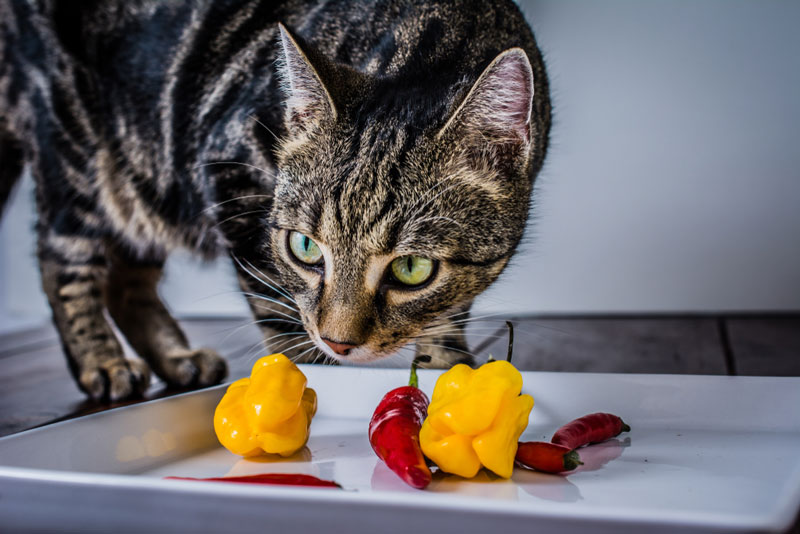
Do you ever wonder if your furry feline friend can chow down on something as spicy as pepper? Well, the short answer is no! Cats should not eat pepper, as it can be harmful to them. While it might be a tasty addition to our meals, it’s not something that can be enjoyed by our sweet whiskered buddies. Pepper can cause irritation and discomfort in their digestive system, which is something we surely want to avoid.
That said, it’s understandable to be curious about what our pets can and cannot eat. As loving pet owners, we want to ensure that our cats are well-nourished and happy. Knowing what’s bad for them is just as vital as knowing what’s good! So, in the spirit of keeping our kitties safe and healthy, let’s talk more about why pepper is on the naughty list for our little furballs.
Stick around as we dive deeper into the world of peppers and cats. We’ll uncover the risks, benefits, and some alternate tasty treats for our adorable companions!
You might also be interested in: Can Cats Eat Spicy Food?
Can Cats Eat Pepper?
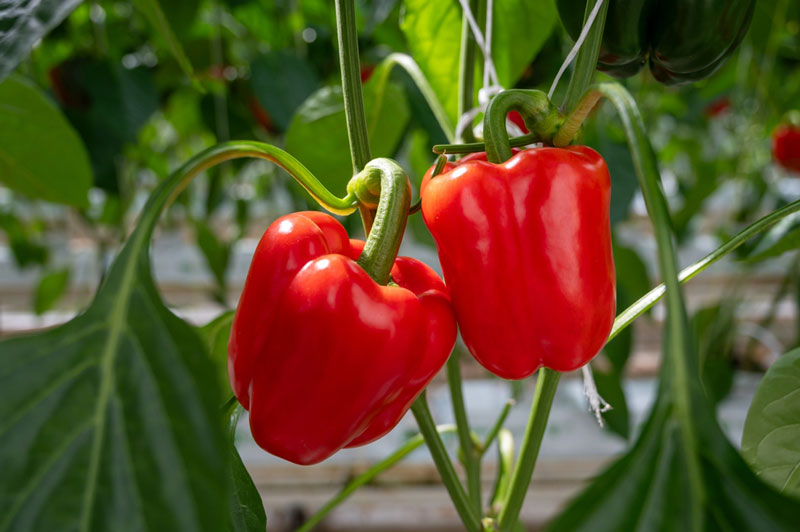
As much as we adore sharing our little culinary adventures with our pets, we need to be cautious about what we offer them. When it comes to pepper, whether it’s black pepper or spicy peppers like jalapeños or cayenne, they just don’t fit into a cat’s diet. Cats simply lack the enzyme needed to properly digest many spices.
The big concern with pepper is that it can irritate cats’ digestive tracts. If a cat accidentally munches on some pepper, they might experience discomfort and gastrointestinal issues. This discomfort can lead to symptoms like vomiting or diarrhea, which is the last thing we want for our four-legged friends. Not to mention, some cats may even develop allergic reactions to certain spices, including pepper. The spicy components may irritate their mouths and throats, leading them to experience discomfort and distress.
How Much Pepper Can Cats Eat?
While it may be tempting for us to sneak a little flavor into our cat’s snack time, the truthful answer is that there is no recommended amount of pepper for cats. The chances are that even a tiny sprinkle would cause irritation. Instead of experimenting with pepper, let’s stick to what cats love and need. Cats are obligate carnivores, meaning their diet should primarily consist of meat.
If you suspect your cat has munched on pepper or any spicy food, it’s best to monitor their behavior closely. If they’re acting uneasy, experiencing any digestive issues, or showing signs of discomfort, contact your veterinarian immediately. These experts can provide guidance based on your cat’s specific needs.
Taking a proactive approach to our pets’ health helps us avoid unnecessary risks. So, if you’re thinking of adding a sprinkle of pepper to your kitty’s treats, think again!
Benefits Of Pepper To Cats
1. There are no real benefits of feeding pepper to cats. In fact, the cons far outweigh any potential positives. The acidity and spices in pepper can harm your pet rather than provide any nutritional value.
2. Instead of peppers, focusing on a balanced diet rich in lean meats, high-quality cat food, and occasional treats like cooked chicken or fish is a healthier choice. These options provide the protein and nutrients that our cats need.
3. If you’re looking to add excitement to your cat’s meals, consider incorporating cat-friendly herbs like catnip or parsley. These are safe options that can also provide enrichment without the spicy risks.
4. By ensuring the food we offer is safe and healthy, we contribute to their overall well-being. A healthy cat is a happy cat!
5. Remember to consult with a veterinarian before making any significant changes to your cat’s diet or introducing new foods. They will guide you and give personalized recommendations based on your cat’s health and nutritional needs.
Dangers Of Feeding Pepper To Cats
The risks of feeding pepper to cats are very real and can lead to various health complications that we need to consider seriously. Pepper can cause oral irritation, leading to discomfort and sometimes causing our furry friends to stop eating. If your cat experiences pain eating their regular food, it could mean they had a little too much spice.
The digestive issues that can arise from eating pepper can lead to nausea and diarrhea. Nobody likes to see their beloved pet uncomfortable. If you’ve ever seen your cat having trouble with their tummy after they’ve eaten something questionable, you know just how much we want to avoid that. Stomach problems are not fun for us or our pets.
On top of digestive issues, the bigger concern for our cats is that peppers, especially spicy ones, can lead to more severe reactions. In some cases, cats can face allergic reactions or sensitivity to spices, leading to swelling, itching, or even respiratory issues.
Cats can also be quite sneaky, and they might get into things when we are not looking. It’s imperative for us to keep any foods containing pepper out of their reach to avoid potential accidents. Keeping our kitchens organized and our pepper dishes out of paw’s reach can save us any unwanted trips to the vet.
Always stay attentive to what our cats are munching on so we can keep them safe and sound. If your kitty sneaks a taste of pepper, it’s best to stay alert and observe their reactions. Whenever in doubt, reaching out to a veterinarian is a great plan—better safe than sorry!
Substitute Of Pepper For Cats
1. Cooked Meats: If your cat craves exciting flavors, try offering small bits of cooked meats like chicken, turkey, or fish. These options are not only tasty but also highly nutritious for our little carnivores.
2. Catnip: Instead of pepper, explore the taste of cat-safe herbs such as catnip! Many cats love it, and it can make their meals more interesting without causing any digestive chaos.
3. Cat Treats: Fun little cat treats made from tuna or chicken can spark joy in your kitty’s mealtime! Just ensure they are healthy and made specifically for cats.
4. Vegetables; If you want to try offering vegetables, stick to safe options like cooked carrots or peas. These can be good for nutrition and make a fun snack for our curious kittens.
5. New Dish: When seeking to alter your cat’s diet, it’s best to introduce any new food slowly to monitor their reactions. Gradually adding new items helps ensure our little fur pals react positively to their new culinary experience!
Can Cats Eat Pepper? Frequently Asked Questions
What Happens If My Cat Eats Pepper?
They may experience digestive upset, oral irritation, or other uncomfortable reactions. If your cat ingests pepper, keep an eye out for symptoms like vomiting, diarrhea, or distress. Contact your vet if you’re concerned.
Can Cats Eat Bell Peppers?
While bell peppers are less spicy than other varieties, they can still cause tummy troubles for our furry friends. It’s best to avoid offering any type of pepper to cats for their safety.
Are There Any Vegetables That Cats Can Safely Eat?
Yes! Cats can enjoy some vegetables like cooked carrots and peas in moderation. However, it’s essential to ensure they are safe and healthy for our kittens.
What If My Cat Loves Spicy Food?
Cats are naturally drawn to different scents and flavors, but their digestive systems cannot handle spicy foods. Redirect their affection to safe and tasty treats and nutritious cat food.
How Can I Prepare Delicious Meals For My Cat?
Focus on high-quality cat food, lean meats, and occasional safe veggies. You can even whip up homemade cat treats to make mealtime special.
Final Thoughts
Cats are such precious companions! Their well-being means exploring what is best for them while keeping them safe from harmful foods like pepper. As we’ve discussed, pepper poses risks and gives no true benefits to our furry pals, so it’s clear that we should steer clear of offering it to them.
Focusing on healthy and safe foods is the way to go. By providing balanced diets tailored to our feline friends, we help promote their overall health and happiness. If you’re interested in expanding your pet’s diet even more or have any concerns, check out other informative topics like what about black pepper or what about certain fruits. Our pets deserve the best, and there are many ways to keep their taste buds happy without compromising their health!