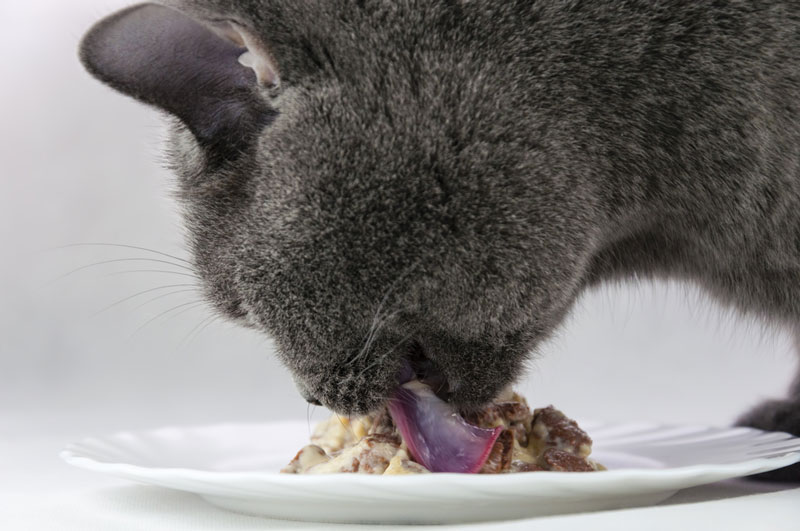
Have you ever looked at your cat and wondered, can cats eat people food? The answer is yes, but with caution! Our feline friends can nibble on certain human foods without any trouble. However, not all human food is safe for our little buddies, and we need to be wise about what we share with them.
There’s something undeniably adorable about seeing our cats try to enjoy food that we love. They often gaze at us with those big, pleading eyes, as if they’re saying, “Please, just a little bite!” It’s a tempting sight, and sometimes we might cave in and allow them a taste. But not all of our snacks are for sharing; some can actually be harmful to our cats. Thus, it is super important for us to know what they can and cannot eat.
So, whether you’re curious about feeding your kitty some leftovers or looking to add variety to their diet, keep reading! We’re going to explore the ins and outs of sharing food with cats, including the benefits, dangers, and plenty of ideas for safe treats.
You might also be interested in: What Things Cats Can Eat?
Can Cats Eat People’s Food?
When dealing with our beloved fur babies, the question of whether they can eat people food is quite common. The good news is, yes, cats can eat some types of human food. However, our cats’ bodies are different from ours, and they have specific dietary needs that must be fulfilled. As obligate carnivores, the primary part of their diet should consist of meat. But let’s face it, that doesn’t mean they can’t indulge in a little variety sometimes!
The trick is knowing which foods are safe and which ones are not. For instance, plain cooked chicken or turkey without seasoning is typically a good choice. On the other hand, foods like onions and chocolate are big no-nos. When introducing new foods, do so in moderation and keep an eye on how they react. Cats can be picky! Sometimes they might not even be interested in what you offer. But if they like it and it’s safe, why not give them a little taste? Remember, our goal is to ensure they are both happy and healthy!
How Much People’s Food Can Cats Eat?
So, once we know that some human food is safe for cats, we might start wondering how much can we actually give them. Let’s keep in mind that moderation is key. Cats have tiny stomachs compared to us, so a small amount goes a long way. When trying out new foods, we should start with just a few bites. Even a tiny treat can be a big deal for our cats!
For example, if you decide to give your cat a piece of cooked chicken, make it a small shred – something that is easy for them to chew and digest. We want them to enjoy their treat and not feel overwhelmed by a sudden change in their diet. When we offer foods, we should gradually incorporate them alongside their regular cat food rather than completely replacing it. That way, they can have a balanced diet. If you notice any upset tummy or unusual behavior, it’s best to stop feeding that specific food and consult with your vet.
This practice of moderation creates a great bonding experience with our furry companions. Watching them devour a human treat can be quite entertaining! But, we must take caution. Too much of a new food, even if it is safe, can lead to digestive issues or obesity. Cats can be like us sometimes – just because they like something doesn’t mean that it’s good for them!
Let’s also talk about frequency. Just because our cats can eat humans food doesn’t mean we should do it every day. Treats should be just that—treats! We still want to stick mostly to a well-balanced cat food that satisfies their nutritional needs. Remember, our number one priority is our cats’ health and well-being!
Benefits Of People’s Food To Cats
1. Spice It Up: When we give our cats some people food that they’re allowed to enjoy, it gives them a chance to experience different textures and flavors. Sometimes it’s not enough to eat the same cat food daily. Offering variety can stimulate their senses and make mealtime exciting! We can observe their enthusiasm when they cautiously approach and then pounce on the unexpected treat.
2. Bonding Moments: Sharing a tiny bite of our food can form a fantastic bond between us and our cats. When they get a taste of something new, it can create a connection. Watching their little faces light up when they try a treat for the first time is simply priceless! As loving pet owners, we want to share the joy of delicious food with them.
3. Healthier Options: Some human foods can actually be healthier for our cats. Foods like cooked fish or lean poultry can provide great nutrients, and they have healthy fats that benefit their coat and overall health. Just remember not to overdo it, as too much of a good thing could be bad.
4. Trust Building: By allowing our cats safe human food, we can develop trust together. Our cats know they can come to us for treats, creating a positive experience that can lead to less anxiety around feeding time. Trust is essential, and it shows them that we care about their happiness!
5. A Happy Cat Is a Healthy Cat: Lastly, happy cats tend to be healthy cats! Trying different foods can keep them stimulated and engaged. This can lead to a happier disposition, which is something we always want to strive for! Cats that feel loved and cared for through playful snacking often reflect that love in their personalities.
Dangers Of People’s Food To Cats
As much as we wish we could feed our cats anything, we must be aware of the potential risks involved when offering human food. Sadly, not everything that humans enjoy is safe for our furry friends, and we need to be careful to keep them healthy.
First, certain foods can be toxic to cats. For example, chocolate is a well-known no-no, as it contains compounds that can be very harmful, even fatal to our cats. Additionally, onions and garlic can lead to anemia in cats, and we need to keep that in mind while preparing our meals. We must keep dangerous treats out of reach and educate ourselves about what is allowed.
Next, we need to consider the dangerous effects of overeating. If our cats munch on too many treats, especially those high in calories or fat, it may lead to obesity in the long run. This can cause a host of health issues, including diabetes or joint problems. Nobody wants their feline friends to suffer because of indulgent treats, so we must be cautious and thoughtful about portion sizes.
Another risk is food allergies. Just like humans, our little creature companions can develop allergies to certain foods. If we introduce a new treat that our cats react negatively to, we should stop feeding it immediately and monitor their health closely. Consult a veterinarian if you notice anything out of the ordinary.
Lastly, introducing new foods can sometimes lead to digestive upsets. Sudden dietary changes can cause vomiting or diarrhea, so it’s always a great idea to keep treats as an occasional treat rather than a diet staple. This way, we can avoid these problems altogether!
Substitute Of People’s Food To Cats
1. Quality Cat Treats: If we want to give our cats something special, look for high-quality cat treats specifically formulated for their nutritional needs. These treats are designed to provide enjoyment without the risks associated with human food.
2. Cooked Meat: Plain cooked meats such as chicken, turkey, or unseasoned beef can serve as excellent treats. Remember to remove bones and skin before giving them to our cats, ensuring it’s safe for them to digest!
3. Commercial Cat Food Toppers: There’s an array of food toppers on the market designed to add flavor and excitement to your cat’s usual meals. These toppers are safe and provide that extra experience without overwhelming their digestive system with human food.
4. Honey or Yogurt: Some cats adore yogurt or honey! That does not mean every cat will like them, but these can be healthy, small additions without too many added sugars. Just keep portions tiny, so we do not stray from their balanced diet!
5. Homemade Treats: Consider making our own cat treats! Simple and wholesome recipes exist for us to whip up delicious snacks our pets will love. We can control the ingredients and ensure they are nothing but healthy for our furry friends!
Can Cats Eat People’s Food? Frequently Asked Questions
Is It Safe To Give My Cat Dairy?
Most cats are lactose intolerant, meaning dairy products like milk, cheese, and cream can cause digestive upset. Symptoms may include diarrhea, gas, and stomach discomfort. While dairy isn’t toxic, it’s generally best to avoid it unless it’s specifically formulated for cats.
What Fresh Fruits Can My Cat Have?
Cats don’t need fruit, but a few can be offered occasionally in very small amounts. Safer options include blueberries, watermelon (without rind or seeds), and peeled apples with the seeds removed. Fruits should always be plain, washed, and given sparingly.
Can Cats Have Potatoes?
Cooked potatoes are not toxic to cats, but they offer no nutritional benefit and can be hard to digest. Raw potatoes and green potato skins should never be given, as they contain solanine, which is toxic. Potatoes should not be a regular part of a cat’s diet.
What Foods Should I Keep Away From My Cat At All Costs?
Foods that should always be avoided include onions, garlic, chives, chocolate, grapes, raisins, alcohol, caffeine, xylitol, raw dough, heavily seasoned foods, and bones. These can be toxic or cause serious health issues in cats.
How Can I Tell If My Cat Is Having A Bad Reaction To A New Food?
Signs of a bad reaction may include vomiting, diarrhea, excessive drooling, itching, swelling, lethargy, loss of appetite, or unusual behavior. If symptoms appear after introducing a new food, stop feeding it immediately and contact your veterinarian—especially if the reaction is severe or doesn’t improve.
Final Thoughts
It’s clear that sharing a little food with our cats can create lifelong bonds and delightful experiences. We just need to remember to proceed with care and love. The joys of seeing our cat enjoy themselves often outweigh the risks, but we must always prioritize their health.
Let’s continue to be smart pet owners and give them the very best while exploring various sources of happiness! If you’re interested in learning more about your furry friend’s safety or looking into other pet-related topics, check out our blog for more information. There’s always so much love to share!