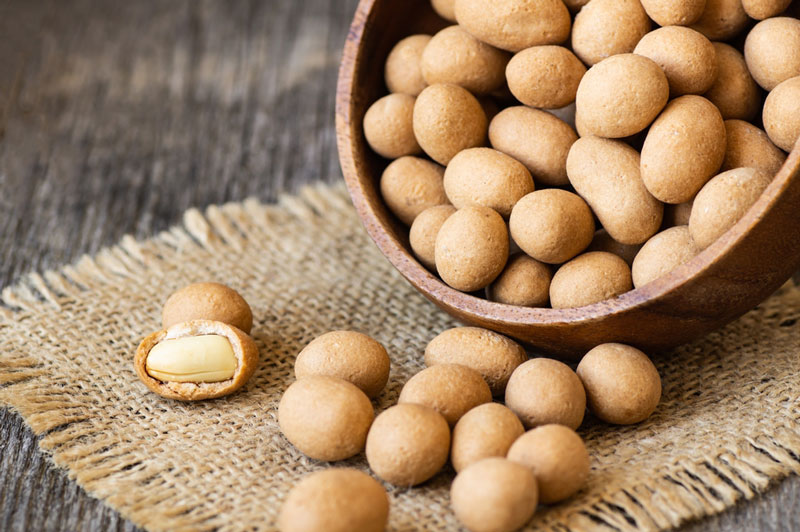
Can cats eat peanuts? This is a common question among pet owners who want to treat their furry friends to something different. While cats are known for being picky eaters, you may wonder if peanuts are a suitable snack for them. The short answer is no; cats should not eat peanuts. Although a tiny bit of peanut here and there may not cause serious harm, it is not considered a safe or nutritious option for our feline companions.
As much as we may adore sharing our treats with our pets, it is important to think carefully about what we offer them. Cats have unique dietary needs that differ significantly from humans and even dogs. While cats are obligate carnivores and thrive on a diet focusing on animal-based proteins, peanuts are high in fats and may lead to health issues in cats. So, despite their crunchy texture and salty flavor, we should hesitate before reaching for those delightful legumes.
If you’re intrigued and want to learn more about the implications of feeding peanuts to your feline friend, keep reading! We’ll explore everything from the benefits and risks to healthier snacks you can offer your kitty.
You might also be interested in: Can Cats Eat Walnuts?
Can Cats Eat Peanuts?
Let’s dive deeper into the question: can cats eat peanuts? Peanuts, which come from a plant, are not naturally a part of a cat’s diet. Cats are obligate carnivores, meaning their bodies are designed to process meat rather than plant-based foods. When we look at the anatomy and digestive system of cats, it becomes clear that they require amino acids and nutrients found primarily in animal proteins.
Peanuts, while they are protein-rich nuts themselves, do not provide the essential nutrients that cats need to maintain their health. Cats do not possess the right enzyme to break down certain plant materials effectively, making it difficult for them to gain any benefit from eating peanuts. This lack of proper enzymes might lead to digestive upset, such as diarrhea or vomiting, if they consume peanuts in larger quantities.
It’s essential to consider the fact that some cats may also have allergies or sensitivities to peanuts or nuts in general. Symptoms can range from mild to severe and might include itching, skin problems, and gastrointestinal issues. If you observe any unusual behavior or symptoms after your cat has had a tiny piece of peanut, consult with a veterinarian right away. It’s always best to err on the side of caution!
How Much Peanuts Can Cats Eat?
Now that we’ve established that peanuts are not the best fit for our feline friends, let’s explore how much they could safely consume if someone still insists on sharing those crunchy snacks. In reality, it is advisable for cats to avoid peanuts altogether, but if one accidentally sneaks a small piece, there is no need to panic.
If we were to consider a hypothetical scenario where a cat nibbles on a peanut, moderation would be key. A very small amount—think of a piece about the size of a pea—on an occasional basis might not cause harm. However, feeding your cat larger amounts or making it a regular part of their diet could lead to severe problems. As pet owners and lovers, we must prioritize the health and well-being of our furry companions.
Moreover, if we think about what’s in a peanut, oil and fats come to mind. Even though cats require fats as an energy source, they can obtain it more healthily through their meat-based diet. Too much fat and oil consumption from peanuts may lead to obesity or pancreatitis in cats. We know that pancreatitis can be quite painful for felines, and we want to avoid any discomfort in our beloved pets.
Thus, the bottom line remains: while a tiny morsel might be harmless, it is best not to offer peanuts to cats at all. We should seek other protein-rich, species-appropriate treats for our felines that align better with their nutritional needs, such as small portions of cooked chicken, turkey, or fish. These options not only satisfy their meat cravings but also provide the nutrients necessary for a balanced diet.
Benefits Of Peanuts To Cats
1. While it may seem like a treat, there are no real benefits to feeding peanuts to your cat. In fact, peanuts do not have the essential nutrients needed by cats, which include taurine, arachidonic acid, and vitamins that are found primarily in meat.
2. Cats also require specific amino acids that do not exist in legumes like peanuts. Even though peanuts contain some protein, it cannot replace the protein that cats get from meat sources. We love our cats too much to offer them substitutes that don’t fulfill their carnivorous needs!
3. Considering cats’ natural diets, we find that there’s a plethora of high-quality cat food available that provides a balanced diet for our furry friends. When looking for the best foods for our cats, it is best to choose a diet that focuses on animal proteins.
4. With so many healthier options on the market, we often overlook the fact that our cats thrive on protein-rich diets. Additionally, treats like freeze-dried meat or commercial snacks made with real fish can be nutritious and flavorful for our pets.
5. Ultimately, providing our cats with the right foods that cater to their natural dietary needs yields better health outcomes and quality of life. We want our cats to be strong and vibrant, and opting for species-appropriate snacks keeps them that way!
Dangers Of Feeding Peanuts To Cats
Now that we know peanuts aren’t the best snack for our kitties, let’s discuss the risks and dangers associated with feeding them this legume. One significant concern is the potential for allergies. If a cat is allergic to peanuts, introducing them to this nut could trigger a reaction ranging from mild scratching to severe gastrointestinal distress. We should never take chances when it comes to the health of our feline friends!
Another risk with peanuts is the high-fat content that we mentioned earlier. While our cats need some fat to maintain energy levels, an excess amount can lead to obesity or pancreatitis. We love our pets and want them to be happy, so we should carefully consider what goes into their diets.
Blockages in the digestive tract can also occur if cats eat matter they cannot digest, including whole peanuts. This can lead to severe discomfort, surgical intervention, and other serious outcomes. It is certainly not an ideal situation for our furry friends or our wallets!
Over time, excessive exposure to unhealthy foods may lead to long-term health complications for our kitties. Feeding peanuts can also develop into a habit that could encourage your cat to seek out more human food, which can lead to begging or other behavioral problems. We need to set boundaries that promote healthy eating habits instead.
Always consult with your veterinarian if your cat displays any unusual behaviors or symptoms after consuming any new food items. Being proactive ensures our pets lead a healthy life filled with love and joy. And that’s our primary goal, isn’t it?
Substitute Of Peanuts For Cats
1. Chicken or Turkey: Instead of peanuts, consider offering your cat small cooked pieces of chicken or turkey. Cats love these protein sources and will appreciate the savory flavor! Plus, we can easily prepare these proteins in a simple and healthy way.
2. Cooked Fish: Another alternative could be cooked fish. Whether it’s salmon or tuna, these options are sure to get your kitty purring with delight! Remember to remove any bones and use only small, controlled portions. It’s easy to get carried away when we see our cats enjoying their meals!
3. Commercially Cat Treats: There are numerous commercially available cat treats that are specially formulated to meet our cats’ nutritional requirements. These often contain meat as the primary ingredient and can be a tasty reward. Opt for treats with high-quality ingredients that we would feel good about giving to our furry friends!
4. Catnip: Have you considered offering catnip? Cats adore it, and it’s safe for them! Catnip provides a fun experience that stimulates their playful instincts and can be a delightful alternative when looking for something unique to share.
5. Veterinarian Recommendations: Lastly, consult with your veterinarian for recommendations on commercial diets or homemade recipes that cater to your cat’s specific needs. They can help guide us in the right direction to ensure that our furry friends get the most from their diets while we keep their tastes in mind!
Can Cats Eat Peanuts? Frequently Asked Questions
Are Peanuts Toxic To Cats?
Peanuts are not considered toxic to cats, but they are not recommended. They are high in fat and difficult for cats to digest, offering no nutritional benefit. Eating peanuts may lead to stomach upset, vomiting, or diarrhea.
Can Cats Eat Peanut Butter?
Peanut butter is not safe for cats. It’s very high in fat and often contains added sugar, salt, or artificial sweeteners. Some brands may include xylitol, which is extremely dangerous. Even small amounts can cause digestive issues or more serious health problems.
What Should I Do If My Cat Eats Peanuts?
If your cat eats a small amount of plain peanuts, monitor them for signs of digestive upset such as vomiting, diarrhea, or lethargy. Make sure they have access to fresh water. If your cat eats a large quantity or shows concerning symptoms, contact your veterinarian for advice.
Can Cats Have Peanut Oil?
Peanut oil isn’t toxic, but it’s not suitable for cats. Oils are high in fat and can lead to digestive upset or pancreatitis. Peanut oil also provides no nutritional benefit and should be avoided.
What Snacks Are Safe For Cats?
Final Thoughts
In conclusion, while peanuts might be a fun snack for us to munch on, they are not suitable for our cats. Their bodies are simply not equipped to process this legume, and the risks outweigh any minor benefits. We need to prioritize the health of our feline friends by choosing more appropriate treats that provide proper nutrition and safety.
If you’re searching for other helpful tips on feeding your pets, check out our blog for more ideas on safe treats and nutrition for cats alike. Explore topics like can cats eat chestnuts and can cats eat almonds. Remember, a happy pet leads to a happy life! Let’s create a nurturing environment for our beloved companions.