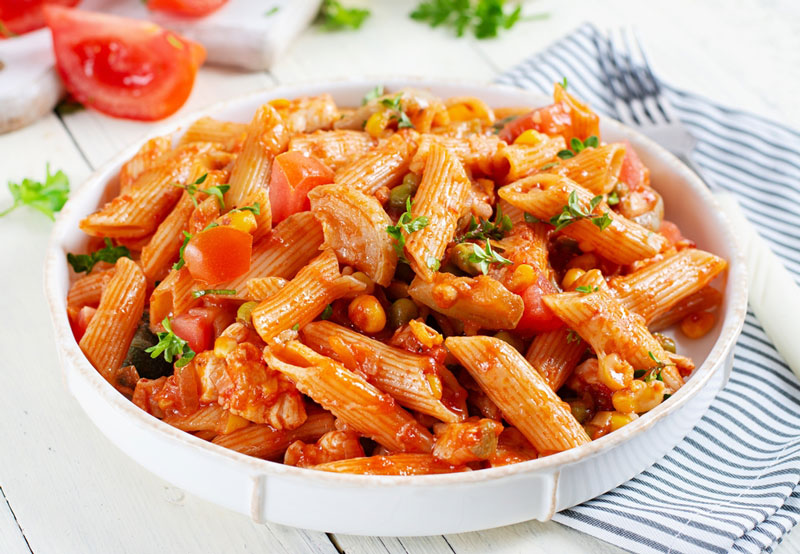
Are you wondering if cats can eat pasta? The short answer is yes, cats can eat pasta, but there are some important things to think about before giving your feline friend a taste. Cats are obligate carnivores, which means they primarily need meat in their diet to thrive. However, that doesn’t mean they can’t enjoy a bit of pasta here and there. But, is pasta good for them? Let’s explore more about this topic together!
It’s fascinating to think about how our pets have such unique diets. Cats have been our companions for thousands of years, but their dietary needs still reflect their wild ancestors. While pasta can occasionally be a fun treat, there are definitely better options that offer more nutritional benefits for our furry pals. So, if you’re curious to learn why pasta might not be the best choice, keep reading.
Stick around as we uncover the ins and outs of cats and pasta, offering insights into serving sizes, benefits, and potential risks. Together, let’s help ensure our beloved cats are happy and healthy!
You might also be interested in: Can Cats Eat Noodles?
Can Cats Eat Pasta?
Before we dive into the details, let’s first understand what pasta is. Pasta is typically made from a dough combining wheat flour, water, and sometimes eggs. It’s a non-grain carbohydrate, which means it can be pretty filling for us humans, but for cats, their bodies are not designed to digest carbohydrates in the same way. Cats’ digestive systems thrive on proteins and fats. So, while it’s safe for them to nibble a bit of cooked pasta, it doesn’t provide them with the nutrition they truly need.
In terms of texture and flavor, pasta might be enjoyable for some cats. They could be attracted to the scent of the sauce, especially if it has proteins like chicken or fish. But beware! Many sauces are loaded with ingredients that could make our kitties sick, such as onions or garlic. Those little ingredients can mess with a cat’s health in big ways. So, while pasta itself is not harmful, the other things we might pair with it often are.
How Much Pasta Can Cats Eat?
When it comes to serving pasta to our cats, moderation is key. A small piece every so often won’t hurt them, but that’s about it! Just think about it. Why would we need to give our cats a staple food like pasta? Their diet should primarily consist of meat, which they depend on for essential nutrients.
Imagine we’re hosting a dinner with our furry friends. While we enjoy a big plate of spaghetti, giving our kitty just a tiny piece of plain pasta as a treat could work as a special surprise! But it needs to be just a tiny slice, the size of a small coin should be plenty. If your cat doesn’t seem to like it, don’t worry! We can always try again or just stay with their usual cat food. They might not appreciate the Italian culinary arts as much as we do!
Monitor how they feel after eating it. If there are no digestive issues like vomiting or diarrhea, that’s a good sign! Cats are curious creatures. If they enjoy that little sliver of pasta, it could serve as a bonding moment. But let’s be real – they are likely eyeing our chicken more than the pasta anyway!
It’s also essential to remember any changes we make in their diet should be gradual. We need to keep a close watch. If our kitty suddenly has a change in behavior or health, running to the vet for advice is a must. Let’s make sure we’re making healthy decisions for our feline companions.
Benefits Of Pasta To Cats
1. Meal Times Interesting: Cats enjoy variety, and sometimes adding a little pasta can make meal times interesting. Just a little can spark joy and excitement. If our cat seems bored with their usual dry kibble, a tiny bit of pasta could provide a fun surprise.
2. Bonding Experience: Sharing food with our pets creates a bonding experience. When we share a small portion of our comfort food, it can help strengthen the relationship between us and our feline friends. This bond helps in building a loving atmosphere, which is just as important as their nutrition.
3.Variety in Diet: It’s comforting to know that an occasional treat adds variety to their diet. Variety can help prevent boredom with their daily meals. Who wouldn’t want something different every now and then?
4. Stimulate Taste Buds: If your cat enjoys pasta, it might be a way to introduce them to new textures. That can be especially useful for picky eaters who may need a range of experiences to stimulate their taste buds.
5. Serve As Bland Food: Lastly, pasta is easily digestible for most cats if prepared plainly. If they have had an upset stomach, a little bit of cooked pasta could help settle their tummy. It might serve as a bland food for when they need a break from their heavier meals.
Dangers Of Feeding Pasta To Cats
While pasta may have some benefits, we must be aware of the potential risks involved. Cats that chow down on pasta might face some health issues we should be cautious about!
One danger is overeating. If our cat thinks every pasta night is a buffet, we could see them consuming too many carbs. Excess carbs aren’t healthy for them and can lead to weight gain! Over time, conditions like obesity could develop, and we know how challenging that is for our furry friends.
Another risk is allergies or sensitivities. Our beloved cats might have specific dietary restrictions. If they are gluten intolerant, the wheat in the pasta could cause serious problems. Symptoms can range from tummy aches to more severe gastrointestinal issues.
It is vital to avoid sauces or additives that might be harmful. Ingredients like garlic and onions are common in pasta sauces. For cats, those can be toxic and lead to digestion upset, lethargy, or even more severe conditions. Before sharing your favorite plate with them, let’s ensure it’s plain and safe.
Lastly, let’s not forget that routine matters. Keeping a consistent, healthy diet is key to ensuring our cats thrive. If pasta becomes a regular part of their diet, it can create imbalances in their nutritional needs. Taking care of their health is of utmost importance—it’s what being a responsible pet parent is all about!
Substitute Of Pasta For Cats
1. Meat-based Treats: Consider switching to meat-based treats. Instead of giving pasta, we can opt for small bits of cooked chicken, turkey, or fish. Those will provide all the nutrients necessary for a happy and active kitty.
2. Grain-free Kibble: You can try cat food with different textures. Grain-free kibble or wet food combined with a meat and fish base can be much more appealing than a plate of pasta. Many brands cater to our kitty’s needs while also creating fun flavors to enjoy!
3. Safe Veggies: Some pet owners enjoy making homemade meals for their furry pals. Think about incorporating safe veggies like cooked carrots or peas with juicy meats; they bring new flavors without the risk of confusing our cats’ diets.
4. Fish or Meat: Explore treats made from fish or meat. Tuna or salmon treats are often regarded very highly among our feline friends. This way, they get a savory—and so much healthier—alternative to those noodle dishes.
5. Physical Playtime: When treating our sweet cats, consider physical playtime as an alternative! Engaging them through play offers their minds stimulation and helps them burn off energy. Playful kitties are happy kitties!
Can Cats Eat Pasta? Frequently Asked Questions
Can Kittens Eat Pasta?
Kittens should primarily stick to wet kitten food packed with the targets they need. While a small taste of pasta isn’t harmful, it should remain uncommon. Proper nutrition for growing kittens is extremely important!
Is Pasta Safe For All Cat Breeds?
Generally, pasta is safe for most cat breeds if it’s given in moderation and without harmful additives. Just be cautious of any specific dietary restrictions based on their breed or history, and check with your vet.
What If My Cat Eats Too Much Pasta?
If we suspect that our cat ate too much pasta, monitor them for signs of discomfort, such as vomiting or lethargy. If these symptoms appear or worsen, it’s best to consult a veterinarian immediately.
Can I Add Sauce To Pasta For My Cat?
It’s not advisable to add any sauces, as many include ingredients that are toxic to cats. Keeping it plain is always the best way to go!
How Often Can I Treat My Cat To Pasta?
A tiny piece of plain pasta occasionally can be an enjoyable surprise for our feline friends. Once a month can keep it special and exciting without straying too far from their healthy diet.
Final Thoughts
In conclusion, sharing a moment with our furry friend over a plate of pasta can be delightful, but it is essential to do so wisely! Cats may enjoy the taste, but their primary diet should always remain a meat-rich one. Our responsibility as pet owners includes making sure we prioritize their health and wellbeing above all else.
If you’re curious about what else is safe for our furry companions, don’t forget to check out other informative articles, such as fun facts about cat care, if cats can eat ramen noodles. Until next time, happy pet parenting!