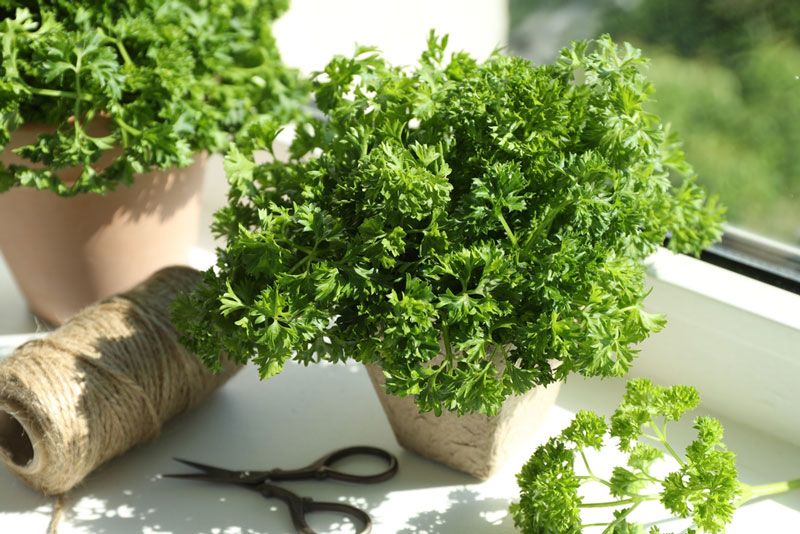
Can cats eat parsley? This is a question many cat owners may wonder as they navigate their furry friends’ dietary needs. The short answer is yes, cats can eat parsley, but with some important caveats. While parsley is not toxic to cats, it does not necessarily mean it’s a must-have in their diet. So, let us chew over the specifics and see just how this leafy green interacts with our feline companions’ health.
When considering what our cats munch on, it is vital to understand that their dietary requirements are unique compared to ours. Cats are obligate carnivores, meaning that their primary diet consists of meat, and they thrive best when they have ample protein. However, the curiosity of cats often leads them to nibble on various plants, including parsley. It is intriguing to note that while some plants can be harmful, parsley is often regarded as safe. Let’s explore this a bit deeper.
As we journey ahead into the green pastures of parsley and its effects on our feline friends, it’s crucial to be informed while choosing the right foods for them. Understanding how much parsley is suitable and acknowledging the potential benefits and risks will ensure that our beloved cats stay healthy and happy. So, keep on reading to learn more!
You might also be interested in: Can Cats Eat Arugula?
Can Cats Eat Parsley?
In short, yes! Cats can safely eat parsley in moderation. This green herb is not harmful to them, unlike some other plants that may cause upset stomachs or worse. Parsley is packed with vitamins A, C, and K, along with minerals like iron and potassium. While cats do not need these nutrients in large quantities, a small bite or two of parsley can be beneficial occasionally. Cats often find themselves munching on various greens, and parsley can be an option when they have a craving for greens.
However, it’s essential to keep in mind that while parsley is safe in moderation, it should not replace their primary diet, which consists of protein-rich foods. If a cat shows interest in parsley, offering them a little piece here and there can be an enjoyable, albeit non-essential, part of their diet. They may find the flavor refreshing or stimulating, just like how we sometimes crave a salad after a heavy meal. So, while it’s like an appetizer rather than the main course, parsley is perfectly okay.
How Much Parsley Can Cats Eat?
How much parsley can our furry buddies enjoy? This is another important consideration. Moderation, as in life, is the key! Too much parsley can lead to digestive upset or other health issues. A general rule is to offer small amounts. A couple of leaves here or there should be sufficient.
We should pay attention to how our cats respond after trying parsley for the first time. If they seem to enjoy it, we can let them have a small amount now and then. However, if we notice any signs of discomfort or changes in their behavior after eating parsley, it’s a good idea to stop offering it altogether. As responsible pet owners, we need to monitor their reactions to new foods closely.
Also, when introducing anything new to our cats’ diets, it is always a good idea to consult with a veterinarian. They can provide the best guidance on pet nutrition and help us determine the right balance of foods for our cats.
Learning about a safe serving size helps us ensure that our cats have experience without any adverse effects. With a pinch of parsley here, and a sprinkle there, we keep the herb as a special treat rather than a significant part of their meals. Just remember, friends: less is more in this case!
Benefits Of Parsley To Cats
1. Vitamins A and C: Parsley is rich in essential vitamins. One of the main benefits is its high content of vitamins A and C. Vitamin A helps maintain good vision and supports skin health. Vitamin C helps support the immune system, keeping our cats fighting fit!
2. Iron and Potassium: Besides vitamins, parsley contains minerals like iron and potassium. Iron is vital for the formation of red blood cells, while potassium helps regulate heart function. This little herb may offer our lovable furballs a slight health boost!
3. Fresh Breath: Some studies suggest that parsley can help freshen breath, which is fantastic news for those close cuddles with our cats. Fresh breath means more affection without any guarding of our noses!
4. Diuretic: Parsley can also act as a diuretic, meaning it can help promote urinary health. A healthy urinary tract is essential for our furry friends to ensure they do not face any health issues down the line. We all want to keep those litter box visits a pleasant experience!
5. Antioxidants: Finally, parsley contains antioxidants, which can help protect our cats from free radicals. These little fighters can cause damage to cells over time, so providing them with a touch of parsley can act as a shield against some common ailments.
Dangers Of Feeding Parsley To Cats
While parsley offers several benefits, it’s vital to also consider any potential risks. The primary concern with parsley is its high oxalate content. In large amounts, oxalates could contribute to kidney problems or urinary issues, especially in cats with pre-existing conditions. This is why moderation is crucial!
Another risk to keep aware of is allergic reactions. Although rare, some cats may be allergic to certain herbs, including parsley. If our cats experience any unusual symptoms after eating parsley, like itching, swelling, or difficulty breathing, we should seek veterinary assistance right away.
Additionally, we should be cautious about where we source our parsley. If we are growing it ourselves, we must ensure it’s free from harmful pesticides or chemicals. If we choose to purchase parsley, we should always wash it to remove any residues that could harm our precious fur babies.
Being informed helps us make better decisions for the safety of our cats. While parsley is generally safe in moderation, we must be vigilant and attentive to any changes in their health after trying new foods. Remember, when in doubt, it’s always best to consult with a veterinarian.
Substitute Of Parsley For Cats
1. Catnip: If we are looking for alternatives to parsley, catnip is an excellent choice. Most cats adore this herb, and it can provide them with entertainment and excitement! Moreover, catnip has shown positive effects on digestion.
2. Cat Grass: Another good option is cat grass, usually a blend of wheat, oats, and barley. Cat grass is easy to grow and provides a safe green snack for our furry companions. It can even help with digestive issues by encouraging them to throw up hairballs!
3. Berries: If we want to boost vitamins without parsley, we can look at safe fruits like blueberries or strawberries. Both contain antioxidants and are tasty treats for cats, packed with nutrients.
4. Mint: This is another herb to consider. While we should ensure it’s safe for our pets and used sparingly, some cats enjoy tasting mint leaves on occasion for a little zest!
5. Cantaloupe: Finally, let’s not forget about cantaloupe! Many cats are surprisingly drawn to fruits, and the sweetness can be a delightful treat. Just remember to avoid seeds and offer small pieces to keep it safe.
Can Cats Eat Parsley? Frequently Asked Questions
Is Parsley Safe For Cats To Eat?
Parsley can be safe for cats in very small amounts, but it should be given with caution. Certain types—especially spring parsley and large quantities of flat-leaf or curly parsley—contain compounds that may cause digestive upset or increase sensitivity to sunlight. Parsley isn’t toxic in tiny doses, but it’s not necessary for a cat’s diet.
How Much Parsley Can I Give My Cat?
Only a very small amount, such as a finely chopped leaf, and only occasionally. Parsley should never be a regular food. Too much can lead to stomach upset, urinary irritation, or other unwanted side effects, so moderation is essential.
Can Parsley Help With My Cat’s Health?
While parsley is sometimes mentioned for its vitamins or breath-freshening properties, cats don’t benefit from it the way humans do. Cats receive all the nutrients they need from a balanced commercial cat food, making parsley unnecessary and offering no proven health advantage.
What If My Cat Has An Allergic Reaction To Parsley?
Signs of a reaction may include vomiting, diarrhea, drooling, itching, facial swelling, excessive grooming, or unusual behavior. If you notice any of these symptoms after your cat eats parsley, stop offering it immediately and contact your veterinarian for advice.
Can I Grow Parsley For My Cat At Home?
You can grow parsley at home, but it’s better grown for human use rather than as a cat treat. If you want to grow something specifically for your cat, safer options include cat grass or catnip. These plants are more appropriate, enjoyable, and safer for feline consumption.
Final Thoughts
In conclusion, parsley can be a fun and safe treat for our cats when given in moderation. It offers some nutritional benefits while being a relatively harmless herb compared to others. However, we must always keep an eye on what our pets are eating, ensuring their health and happiness are our top priorities.
As we explore various dietary options, let’s not forget other topics that can enhance our understanding of our feline companions. Be sure to check out articles such as cat care tips, learn about cats and cat grass, or discover if cats can eat cilantro. Keep learning and caring for our furry friends, and together we can create a world where they thrive and enjoy their lives to the fullest!