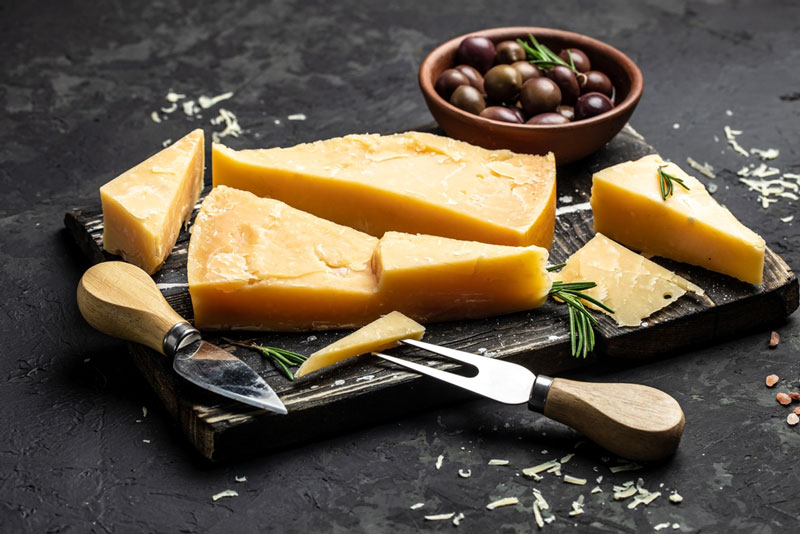
Have you ever wondered if your furry friend can safely enjoy a sprinkle of parmesan cheese? Great news, parmesan is not toxic to cats, but there are important things to keep in mind. While your kitty might be intrigued by that cheesy smell, it is wise to be cautious with how much they consume. Read on to learn more about whether it is safe for cats to munch on parmesan cheese and how it could affect their health.
Isn’t it fascinating how much our pets love to explore new tastes? Cats can be very curious creatures, often sniffing around for anything that looks edible, and cheese is often one of those tempting foods. Parmesan cheese, in particular, has a strong aroma that might catch their attention, but pet owners should be aware of certain risks involved. Even if a kitty enjoys the taste, it’s essential to balance their diet to ensure they stay healthy. Let’s take a closer look at this cheesy question, so we can keep our feline friends safe and happy.
If you’re as curious as we are about the ins and outs of cats and parmesan cheese, stick around! We will explore how much parmesan is appropriate, its benefits and risks, and some great alternatives that can safely satisfy your cat’s palate. We can all agree that it’s best to stay informed so we can make healthy decisions for our furry family members!
You might also be interested in: Can Cats Eat American Cheese?
Can Cats Eat Parmesan Cheese?
When it comes to our feline companions, we often find ourselves in a whirlwind of questions about what foods are safe for them. It is indeed a good question whether cats can eat parmesan cheese. The short answer is that parmesan cheese is not toxic to cats, but it isn’t the best treat option either. Unlike certain foods, like chocolate or onions—which are harmful to cats—parmesan doesn’t pose a direct threat. However, it’s essential to consider the overall diet of your beloved pet.
Many cats are lactose intolerant, which means their bodies have difficulty digesting lactose, the sugar found in milk and dairy products. While some cheeses, like parmesan, are lower in lactose than other dairy items, it still can create digestive issues such as upset stomach, diarrhea, or gas in certain cats. If you notice your cat sneezing or showing other signs of discomfort after sneaking a taste of parmesan, it might be a good idea to avoid letting them indulge in cheesy treats in the future.
It is also worth noting that cheese is high in fat and calories. For our furry friends, heavy consumption of fatty foods can lead to obesity, and stomach or digestive issues. Therefore, while it’s not a toxin, some cats should steer clear of indulgent cheese dishes, including parmesan. The best approach is to allow cheese to be an occasional treat, not a staple. We want to ensure that our feline friends stay healthy and are ready for their next adventure!
How Much Parmesan Cheese Can Cats Eat?
Now that we’ve established that parmesan cheese isn’t harmful, we need to discuss the appropriate amount we can give our cats. Moderation is key! Just because your cat seems to enjoy the taste of parmesan doesn’t mean it should become part of their regular diet. Experts suggest that treats, including parmesan, should make up no more than ten percent of your cat’s daily caloric intake. This helps ensure that they maintain a balanced and nutritious diet.
If your kitty has never tried parmesan before, it’s wise to introduce it in tiny amounts. A small piece, perhaps the size of a pea, is sufficient to see how your cat reacts. If they appear to enjoy it and do not have any adverse reactions, such as an upset stomach or diarrhea, you can consider offering it occasionally. Remember, though, that the smaller the portion, the better, since too much cheese can lead to unwanted health problems. Always watch out for signs of intolerance, as every cat is different.
For a kitty that weighs around 10 pounds, the daily caloric intake should be about 200 to 250 calories. Therefore, that tiny cheese crumb should not exceed 20 to 25 calories. Keep in mind that more than that can tip the balance and lead to weight gain or digestive problems. For this reason, we should treat parmesan and other high-fat cheese types as a rare delight and not an everyday snack!
Of course, there are different factors to consider when deciding how much parmesan is appropriate for your cat. Age, weight, activity level, and overall health play big roles in how your cat metabolizes cheese or any treat. Younger, active cats may tolerate more cheese than older, less active felines. By keeping these factors in mind, we can make better decisions regarding our pets’ treats and maintain a healthy lifestyle for them.
Benefits Of Parmesan Cheese To Cats
1. Protein: One potential benefit of giving your cat a sprinkle of parmesan cheese is that it is often packed with protein. Parmesan cheese contains around 10 grams of protein per ounce, which is essential for maintaining muscle health in our feline friends. Protein plays a vital role in our cats’ diets as it helps to build and repair tissues and supports their overall immune system. As long as it is given in moderation, this protein kick can be a fun addition to their diet.
2. Enticing Aroma: Another advantage of parmesan cheese is its enticing aroma. If your cat is a fussy eater, sprinkling a bit of parmesan on their food might encourage them to enjoy their meals. Cats are driven by their sense of smell, and the robust scent of parmesan can make any meal more appealing. This can be especially helpful if you’re trying to get your kitty to eat their regular cat food or take medications. Just be careful to not overdo it; we want to help them eat healthy food, not turn them into cheese-loving monsters!
3. Vitamin D: This is often found in parmesan cheese, and this vitamin is essential for our cats as it helps them maintain strong bones. Like with humans, vitamin D plays an important role in calcium absorption, which is crucial for bone health. Though your cat likely gets some vitamin D from their regular cat food, a teeny sprinkle of parmesan could add a little extra boost. Just remember not to rely on cheese alone as their primary source of vitamin D, as balanced meals designed for felines are key!
4. Calcium: This is abundant in parmesan cheese, which is crucial for maintaining healthy bones and teeth. Strengthened teeth and bones can help prevent dental issues or other related problems down the line. However, similar to vitamin D, calcium should not be the primary source from cheese. We still want to ensure that our cat’s complete diet offers a healthy balance and complete nutrition.
5. Opportunity to Bond: Lastly, sharing little treats like parmesan cheese provides us with the opportunity to bond with our cats. While we enjoy petting and cuddling our furry friends, sharing a fun snack can be a way to engage them further. Treating our cats to simple joys like parmesan cheese can strengthen the bond we share, which is vital for their overall happiness and well-being.
Dangers Of Feeding Parmesan Cheese To Cats
As tempting as parmesan cheese may seem for our cats, we should also be mindful of the potential risks. While it is safe to eat in moderation, there are always dangers when it comes to dairy products, especially with cats who are lactose intolerant. We know how much our furry buddies can suffer from stomach issues, and introducing high lactose foods can lead to discomfort. Some signs to look out for might include diarrhea, vomiting, or general lethargy. If you suspect your kitty is having a lactose intolerance reaction, stop all dairy immediately and consult with your veterinarian.
Weight gain can also be another significant risk when it comes to treats like parmesan cheese. Cats love to be active, so giving them a too-rich snack can lead to unnecessary calories. As pet owners, it’s essential for us to monitor how many treats we give them, especially if we notice a change in their activity levels. Obesity brings a whole slew of challenges, including diabetes, arthritis, and heart problems. We’re passionate about keeping our pets safe, healthy, and happy, so let’s act responsibly!
Additionally, parmesan cheese can contribute to other health issues, such as urinary crystals or bladder stones. Cats are prone to developing urinary issues, especially if their diets are high in certain minerals found in cheese. While occasional treats won’t pave the way for kidney issues, a high intake of cheese might become concerning. Keeping our cat’s urinary health in check is crucial, and if we notice any changes in their urination, it is best to reach out to a veterinarian.
Finally, we have to consider the overall dietary balance. Parmesan cheese should not replace regular cat food or essential nutrients needed in their diets. If cheese becomes too prominent as a treat, we risk them missing out on essential nutrients that only come from specialized cat food. Our fur babies depend on us to make informed choices, and that starts with staying informed about their diet. So, while parmesan cheese may seem fun, we should always prioritize our kitty’s nutritional needs above all.
Substitute Of Parmesan Cheese For Cats
1. Cooked Chicken or Turkey: With all this talk about parmesan cheese, you might be wondering about some safe alternatives. One option to consider is using cooked chicken or turkey as a chewy treat. These meats make for fantastic protein sources and can even be shredded into tiny bits for our feline friends to nibble on! As always, ensure that there are no added spices, salt, or sauces that could harm your cat.
2. Plain Yogurt: Another option is plain yogurt. Cats might find this creamy alternative delightful, especially since plain, unflavored yogurt has lower lactose content compared to cheese. However, like cheese, yogurt should only be given occasionally to avoid digestive issues. Just start with a tiny spoonful to test your cat’s reaction!
3. Freeze-dried Meat Treats: If you’re looking for something crunchy, try offering freeze-dried meat treats. These treats are typically high in protein and can be satisfying for your cat. They can come in a variety of flavors, and most cats will happily munch through them like a snack! These freeze-dried options make for great training treats too!
4. Cat grass: a lovely treat for our felines—provides a safe and cat-friendly alternative to snack time. Cat grass can aid with digestion and help prevent hairballs. It is often loved by our pets! While it may not be cheesy, it’s natural and delightful for our cat pals.
5. Commercial Cat Treats: Lastly, you could consider buying commercial cat treats designed specifically for felines. These treats are formulated to be safe and nutritious while often being tasty for our cats. Just double-check that the treats contain ingredients suitable for your cat’s dietary needs, and they might discover a new favorite!
Can Cats Eat Parmesan Cheese? Frequently Asked Questions
Is Parmesan Cheese Safe For Kittens?
While parmesan cheese isn’t toxic for kittens, it is essential to consider their overall nutritional needs. Kittens require specially formulated kitten food to ensure they receive balanced nutrition. If you choose to give parmesan cheese to a kitten, keep it to an extremely minimal amount and observe for any adverse effects.
Can All Cats Eat Parmesan Cheese?
Not every cat can safely consume parmesan cheese. While many cats may enjoy it, it is crucial to be aware of individual sensitivities, especially among those who are lactose intolerant. Always monitor your cat’s reaction after trying parmesan for the first time.
Can I Use Parmesan Cheese To Entice My Cat To Take Medicine?
Many pet owners use cheese or other tasty treats to help cats take medication. Parmesan cheese can work, but remember to be cautious with how much you offer. If your cat struggles to take the medication, consider using other tasty options designed specifically for this purpose.
What Should I Do If My Cat Eats Too Much Parmesan Cheese?
If your cat appears to have ingested too much parmesan cheese, it’s best to consult with a veterinarian. Monitor your cat closely to see if any symptoms arise, and if you notice them exhibiting signs of distress, reach out to a professional to address any concerns.
What Are Some Signs Of Lactose Intolerance In Cats?
Common signs of lactose intolerance in cats include diarrhea, gas, bloating, or vomiting after consuming dairy products. If you suspect your kitty is lactose intolerant, it’s best to eliminate all dairy from their diet and discuss dietary changes with your veterinarian.
Final Thoughts
In conclusion, parmesan cheese can be a delightful and enticing treat for our furry companions, but moderation is vital. While it doesn’t pose a direct threat to cats, risks such as lactose intolerance and weight gain remind us to be responsible pet owners. Understanding what our cats can safely eat will help us build stronger bonds while keeping them healthy.
There’s a vast array of treats we can offer our kitties that won’t put their health at risk. We hope this article has provided valuable insights and fueled your curiosity about feeding your cat safely. If you’d like to learn more about what other foods our pets can eat, check out our blogs about Feta Cheese and Goat Cheese, where we answer common pet owner questions. Let’s always keep our furry friends happy and healthy as we explore new treats and meals together!