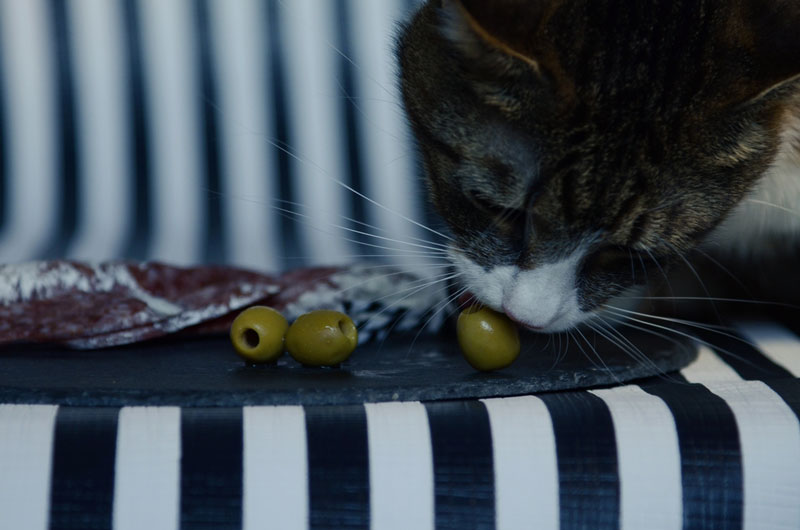
Can cats eat olives? It’s a question many cat owners ponder when they see their feline friends curiously eyeing their snack plate. The short answer is yes, cats can eat olives, but it’s not as straightforward as tossing them a few without consideration. Olives are generally safe for cats to consume in small amounts, but there are important factors to keep in mind, such as the preparation method and the individual cat’s health.
As much as we love to share our snacks with our pets, not all human foods are suitable for our furry companions. Olives, while tasty and sometimes healthy for us, can have mixed effects on our cats depending on how they are given. The shade of green in an olive could easily be mistaken for a fun new toy, but we need to ensure they’re not just having fun but also indulging in healthy snacks. If your cat has been eyeing your olives with a glint of interest, it’s worth continuing to explore this topic together.
So, buckle up, fellow pet lovers! We are about to embark on an informative journey filled with details about olives for cats, such as benefits, risks, and suitable alternatives. Your cat’s snack time might just get a lot more interesting!
You might also be interested in: Can Cats Eat Cherries?
Can Cats Eat Olives?

When thinking about whether our cats can enjoy a bite of olives, it’s important to remember that cats are obligate carnivores. This means that their primary nutrition needs come from meat, and they don’t really require fruits or vegetables in their diet like we do. However, this doesn’t mean they can’t occasionally enjoy a small piece of olive. Some cats may even find the texture and taste intriguing!
Olives are rich in healthy fats and have various flavors depending on whether they are green, black, or stuffed with anything. While these fatty acids can be beneficial, moderation is key! Just like we don’t stuff ourselves with chips and dip, we need to be cautious about how many olives our furry friends consume. We could start by offering them a small piece to gauge their reaction.
It’s also significant to avoid giving cats olives that are drenched in oil, seasoned, or stuffed with ingredients that could be harmful to them. A simple, plain olive is best! If you want to treat your kitty, consider removing the pit and giving them a small piece as an occasional treat.
Always remember, if any new food doesn’t sit well with your cat’s tummy or if they show signs of discomfort after trying olives, it’s a clear signal to refrain from offering them again. We should observe our pets closely and be responsible for their dietary choices. In the end, it’s not about making them mini foodies but more about ensuring we’re keeping their health and happiness in check.
How Much Olives Can Cats Eat?
When it comes to how many olives a cat can eat, less is definitely more! We all know that too much of anything isn’t good, especially for our pets. Since olives are not a necessary part of a cat’s diet, introducing them should be done with caution. A small piece, about the size of a fingernail, should suffice as an occasional treat. This ensures that they enjoy the taste without overwhelming their little digestive systems.
Every cat is different, though! Age, weight, overall health, and even their taste preferences can play a part in how much they’ll love olives. Therefore, it’s important to start with a tiny sample. Watch their reaction closely! If they take a liking to the olive, we can offer an even smaller portion a few times a month as a fun snack.
It’s also worth noting that when incorporating new foods into their diet, it’s a good idea to stick to a schedule. Aim for a treat once in a while rather than making olives a regular snack. Remember, regular treats should still revolve around their balanced diet and not become a substitute for their critical nutrition.
If you aren’t sure about how well olives might fit into your furry friend’s diet, consult with your veterinarian for personalized advice. Every cat has unique dietary needs, and it’s always wise to ask our vet for tips. After all, your veterinarian has the expertise to guide you in making the best decisions for your pet.
Also, we have to consider our cats’ reactions. Some might enjoy the flavor while others could be indifferent or even dislike it altogether. The key thing is to observe their behavior after offering olives. If they seem curious, that’s a good sign! But watch out for any signs of discomfort, such as vomiting or lethargy. If present, this might mean olives are off the menu for that individual cat.
In summary, when offering olives to our feline companions, think moderation! A small, safe portion will allow them to enjoy this human treat while ensuring that they aren’t negatively impacted. So let your kitty indulge a bit, while keeping an eye on their health!
Benefits Of Olives To Cats
1. Healthy Fats: One potential benefit of olives is that they contain healthy fats, namely monounsaturated fats. These fats are beneficial for cats as they can support healthy skin and a shiny coat. Just picture your cat gleaming in the sunlight, showcasing a lustrous coat that gets everyone in the neighborhood talking!
2. Antioxidants: Olives also offer antioxidants. Antioxidants help combat free radicals, which can be harmful to our pets. This contributes to overall better health and can support their immune system as they age. The natural compounds found in olives are like little superheroes fighting off bad guys in our kitty’s bodies.
3. Adds Variety To Diet: Another plus about olives is that they can add some variety to our cats’ otherwise meat-heavy diet. Sometimes, our furry friends can get tired of the same ol’ food day in and day out. So adding an occasional treat of simple olive can give their mealtime a much-needed change.
4. Bonding Experience: Sharing a small piece of olive can also create bonding moments between cats and their humans. Treat time can become an exciting part of the day where we communicate and share experiences, solidifying our relationship with our feline friends. This bonding time is just as important as their physical diet!
5. Offer Insights: Finally, observing our cats while they interact with different foods can offer insights into their likes and dislikes. It’s always refreshing to learn what they enjoy! Their reaction to new flavors keeps things interesting for both us and our furry companions.
Ultimately, while olives could provide some minor benefits, a balanced diet primarily consisting of meat and a little love should stay at the forefront of our kitty care approach. Always prioritize what will keep our fur babies healthy and happy!
Dangers Of Feeding Olives To Cats
While olives can be a unique treat from time to time, there are some risks that we need to keep in mind. One significant risk involves the pits found in olives. They can pose a choking hazard or even cause blockages in our cats’ digestive systems. We don’t want to end up in a situation where our beloved pet has to deal with a vet visit because of an olive pit!
Additionally, many commercially prepared olives contain high levels of sodium, which can be harmful to our pets. High sodium intake can lead to increased thirst or even more serious health issues such as sodium ion poisoning. Just think about it: if we were given a load of salty snacks, we’d probably hit the water jug!
Moreover, if we happen to serve olives that have been marinated in olive oil, vinegar, or infused with garlic and other seasonings, these can be hazardous for cats. Even some herbs and spices that are safe for us can be toxic to our furry companions. Always remember that what is safe for humans is not necessarily safe for cats!
Excessive fat consumption from olives can also lead to obesity if given regularly. Just think about our pet’s joyous leap for arrival or the little zoomies they do around the house! We want to keep them active, not sluggish and unhealthy due to poor dietary choices.
Each cat is distinct, and what might be a safe treat for one could be risky for another. So as always, it’s best to proceed with caution. If our cat is ever showing signs of distress after trying olives, we need to consult our vet immediately. Keeping our pets safe and healthy should always come first!
Substitute Of Olives For Cats
1. Cooked Chicken or Turkey: If we want to offer our cats a fun treat that has the same satisfying texture as olives without the risk, consider small pieces of cooked chicken or turkey instead. Meat is their main source of nutrition, and they’ll likely gobble it up!
2. Unsweetened Yogurt: Another great alternative is plain, unsweetened yogurt. It can be a delicious treat and provides calcium. Just make sure your cat isn’t lactose intolerant before indulging in this option!
3. Catnip: This is a classic substitute, so why not let our furry friends enjoy that instead? They love catnip and it brings them joy, making it the ideal snack option!
4. Fish: Also, consider small bites of fish like tuna or salmon (in moderation!). Cats often find fish to be irresistible, and it serves as a great source of protein!
5. Carrots or Broccoli: Lastly, we shouldn’t overlook the joy that plain baby carrots or small pieces of cooked broccoli can bring. These are filled with vitamins and minerals without overwhelming our kitties with a lot of calories!
Ultimately, there are plenty of tasty options to choose from that are better suited for our feline friends compared to olives. We should focus on what gives them optimal nutrition while ensuring they have a great treat experience!
Can Cats Eat Olives? Frequently Asked Questions
Should I Be Concerned If My Cat Eats An Olive Pit?
If your cat accidentally munches on an olive pit, it’s essential to keep an eye on them for any signs of distress. An olive pit can potentially cause choking or intestinal blockage. If you notice any concerning symptoms, contacting a veterinarian is the best course of action.
Are There Any Toxic Foods For Cats I Should Avoid?
Yes! Cats should stay away from several foods, including onions, garlic, chocolate, caffeine, and grapes. These foods can be toxic and harmful to their health. Always keep an eye on what they can access!
Can All Cats Eat Olives, Or Are There Exceptions?
It largely depends on the individual cat. Some cats might love olives while others might not be interested. If your cat has specific health issues such as pancreatitis, it’s best to avoid offering them any fatty treats like olives.
How Often Can I Give My Cat Olives?
Olives should only be offered occasionally and in small amounts. Treats should normally not exceed 10% of your cat’s daily caloric intake. We want to provide them with variety while promoting their health!
Can I Give My Kitten Olives?
It’s best to avoid offering olives to kittens. They have more delicate stomachs and unique dietary needs compared to adult cats. Stick to kitten formula or specially designed kitten food to keep them growing strong!
Final Thoughts
As we wrap up our exploration of whether cats can eat olives, we’ve learned that while it’s generally safe for them to have a little piece now and then, moderation is key. We are responsible for our fur babies, so keeping their health and diet in check is crucial.
Cats, like us, enjoy a bit of diversity in their snacks. Choosing a range of pet-friendly options and treating them every now and then serves both to promote our bond with them and keep their excitement alive during mealtime. Each meal should be a fun adventure!
So next time you munch on those tasty olives, consider offering a little nibble to your curious feline! Just remember, always keep a watchful eye on how they react. Keep their diet balanced, focus on their health, and let us continue providing our lovely cats with the love and care they deserve!
If you want to know more about other pet foods, check out some interesting articles like whether cats can eat zucchini. There’s always more to learn about our furry friends!