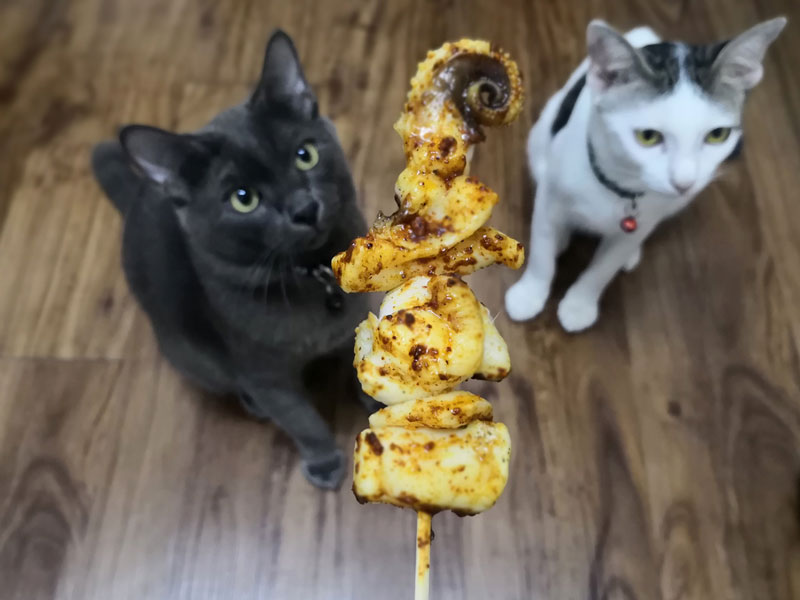
Can cats eat octopus? This is a question that many pet owners wonder about. The short and simple answer is yes, cats can eat octopus. However, just because something is safe for them to eat does not mean it is ideal. Cats are obligate carnivores, which means their diet should mainly consist of meat. Octopus can be an intriguing addition to their diet, but there are important factors to consider!
Octopus is packed with protein and is low in calories, making it somewhat of a healthy option if you want to treat your furry friend. But we need to remember that not all seafood is created equal for our feline companions. While they might enjoy the chewy texture and the unique taste of octopus, we should always ensure that it’s prepared correctly and served in moderation. By the way, who knew our cats were such gourmet foodies?
So, before you rush to the kitchen and whip up an octopus dish for your kitty, let’s explore the details about cats and octopus, like how much of it is safe, the potential benefits, possible risks, and some alternatives you can offer instead. Keep reading to discover everything you need to know about cats and their relationship with octopus!
You might also be interested in: Can Cats Eat Raw Squid?
Can Cats Eat Octopus?

Understanding whether cats can eat octopus is crucial for all of us pet owners. It’s like asking if we can give our cats a sip of our fancy cocktails. While it might be fun to share, there’s more to it than met the eye! Cats, being obligate carnivores, thrive on a diet that consists mostly of meat from mammals and birds. So where does octopus fit into this? Well, octopus does provide protein and essential nutrients that can be beneficial to our feline friends. Yet, there are some important points we should consider before serving it.
Firstly, octopus is a type of seafood and it is often unfamiliar to many cats. Our cats have their preferences, and seafood might not be in their taste buds’ range. Besides that, cats can sometimes be picky eaters! Another significant consideration is how the octopus is prepared. Raw octopus can be tough for cats to digest and could lead to gastrointestinal upset. We usually want our feline friends to enjoy their meals, not have a bad tummy ache. So, if we choose to indulge our cats in octopus, it should be cooked thoroughly without any seasoning or additives.
Additionally, we need to watch out for any potential allergies our kitties might have. Some pets can react negatively to new foods, especially seafood. It’s always best to introduce new items in moderation, watching for any signs of distress. So, yes, while cats can eat octopus, it’s necessary to introduce it cautiously and mindfully, ensuring it’s cooked and safe.
But wait, there’s so much more to explore about cats and octopus! We’ll uncover the proper amounts, the benefits it can bring, the risks we should be aware of, and great alternatives. Trust me, you’ll want to know about all of this! Let’s make sure our little friends have the best and healthiest diet possible. Ready for a deep-dive on the topics? Let’s go!
How Much Octopus Can Cats Eat?
When considering how much octopus is safe for our feline friends, moderation is key. Just as we enjoy a slice of pie without indulging in the whole thing, our cats too need to enjoy their treats without overdoing it. It’s wise to view octopus as a special treat and not a regular meal. So, how much is too much when it comes to octopus for our cats?
Generally, treats should make up no more than 10% of your cat’s daily caloric intake. If you’re unsure how much octopus falls into this category, let’s break it down. A typical serving size of octopus for a cat could be around 1 to 2 small pieces, approximately the size of a kitty’s paw. We can start small and see how they react. If you notice that your feline friend enjoys it and seems to tolerate it well, then adding a few more bits occasionally is fine!
One thing we must always avoid, though, is giving our cats raw octopus. The longer they chew, the tougher the octopus becomes. Just like how we might chew on a rubbery piece of meat, it can be frustrating for our kitties. Cooking octopus can make it easier to digest and softer in texture, which is just perfect for our little munchers. Boiling the octopus until it’s tender is generally a safe way to prepare it.
Also, always remember that introducing seafood can lead to allergies in some cats. Gradually adding it into their diet while keeping an eye on any potential reactions is essential. If anything seems off, such as vomiting or diarrhea, it’s best to discontinue the treat. Our cats can be fussy, so let’s not take risks with their health!
In summary, while octopus can be an exotic treat for our feline friends, we must be careful about how much we offer. A small piece cooked and served on special occasions is a delightful way to introduce variety into their diet. Let’s not forget the most important thing—keeping our fur babies happy and healthy is the true goal!
Benefits Of Octopus To Cats
While offering our cats octopus may sound unusual, it does come with certain benefits we can’t ignore. So, let us see how octopus can add some extra flair to our kitty’s diet!
1. Protein Powerhouse: Octopus is loaded with protein, which is fantastic for our cats. Protein is essential for their growth, repairing tissues, and providing energy. Cats need a good amount of protein in their daily diet, and octopus can be a nice supplement in small doses.
2. Low-Calorie Treat: Octopus is low in calories compared to other meat options. So if you have a diva cat that tends to be on the pudgy side, a little octopus can make for a delightful snack without overloading their calorie count!
3. Essential Nutrients: Octopus is packed with nutrients like vitamin B12, iron, and omega-3 fatty acids. Vitamin B12 can help with energy levels, iron promotes healthy blood, and omega-3 fatty acids contribute to maintaining a shiny coat and healthy skin. With added nutrition from octopus, we could give our cats a little health boost.
4. Encourages Variety: Cats, like us humans, can get bored with the same food day in and day out. If our kitties are used to dry kibble, introducing them to octopus can excite their taste buds and provide a new culinary adventure.
5. Fun Chewy Texture: Most cats enjoy chewing, biting, and playing with their food! Octopus can offer a unique texture for them, promoting engagement during mealtime, all while feeling like they’re getting a treat.
We want our cats to have a well-rounded diet filled with various options, and while octopus can fit into that category, it is important to ensure it’s offered in moderation and with appropriate preparation. Above all, let’s focus on giving our furry companions the best and most nutritious options available, ensuring they thrive in a happy and healthy environment!
Dangers Of Feeding Octopus To Cats
As with anything in life, there are risks involved when it comes to feeding cats octopus, and it’s essential to be informed. Octopus may seem like a fun dish to share but let’s explore the potential risks so we can keep our cats safe.
One of the main concerns is allergies, which can pop up in some cats when they encounter new foods, especially seafood. Signs of an allergic reaction can include vomiting, diarrhea, itchy skin, or swelling. If our kitties show any of these symptoms after eating octopus, it’s best to steer clear from it in the future.
Another potential risk comes with the texture of octopus. If it is not prepared properly and is offered raw or undercooked, it can cause digestion issues. The tough texture of raw octopus could be challenging for our cats to break down and may lead to gastrointestinal distress. We always want their meals to be enjoyable and easy to digest, so cooking octopus properly is a crucial step.
Excessive consumption of any new food, including octopus, can also lead to an upset stomach or diarrhea. We need to remember that treats should only make up about 10% of their daily caloric intake. If we overdo the octopus, we may find ourselves having to clean up after a kitty with a tummy ache. And nobody enjoys that!
Lastly, we should be cautious of any added ingredients in the way we prepare the octopus. Many marinades or sauces may contain harmful ingredients or seasonings like garlic and onion, which are toxic to cats. Our furry friends need simple and unseasoned options. Keeping things plain is actually the best way to go!
In conclusion, while there are benefits to offering octopus as a treat, we must be vigilant about the risks involved. By being cautious and aware, we can ensure that our cats enjoy new foods safely. Let’s be responsible pet owners and always prioritize our furry companions’ health and happiness!
Substitute Of Octopus For Cats
If we’re looking for alternatives to treat our beloved cats while still being healthy, we have options! Here are a few substitutes that can offer some delightful variety without straying away from our kitties’ dietary needs!
1. Cooked Chicken: Who doesn’t love chicken? It’s one of the most popular proteins among cats and is easy to digest, making it a suitable treat. Just make sure to serve it plain without any seasoning. Our cats will appreciate the taste and texture!
2. Fish: Cats adore seafood, so fish can be an excellent substitute. Be sure to serve cooked fish like salmon or tuna in moderation. Always remove any bones and avoid added seasonings to keep it safe and delicious.
3. Cooked Beef: Another alternative we can consider is cooked beef. Offering lean cuts, well-cooked and plain, can provide a good protein source. Our kitties will love the flavor, and it can serve as a fantastic treat.
4. Turkey: Just like chicken, turkey is tasty, low in fat options for kitties. Make sure it is thoroughly cooked and served plain, and you’ll see those tails wagging with delight.
5. Commercially Prepared Cat Treats: When in doubt, ready-made cat treats from reputable brands can be a simple solution. These treats are designed with our cats’ nutrition in mind, ensuring they get flavor without unnecessary or harmful ingredients. Plus, there are various options to explore!
When considering substitutes, it’s always best to pay attention to our kitty’s reactions. Some cats may enjoy some alternatives over others, while some might even have preferences. Finding out what our fur babies enjoy can be a fun little adventure!
In the end, while octopus may be one possible treat, we can discover many other healthy and tasty alternatives to keep mealtime exciting and nutritious. Let’s continue to invest in our cats’ happiness and wellbeing as we explore the vast options available!
Can Cats Eat Octopus? Frequently Asked Questions
Can All Cats Eat Octopus?
Not all cats may enjoy octopus, and some can be allergic. It’s wise to introduce it slowly and observe for any reactions.
What If My Cat Doesn’t Like Octopus?
If your cat doesn’t enjoy the taste, don’t worry! There are plenty of proteins and treats they will love.
Is Octopus Safe For Kittens?
It’s better to avoid giving octopus to kittens. Their digestive systems are still developing, and they require a specially formulated diet.
How Should I Prepare Octopus For My Cat?
Cook the octopus thoroughly by boiling or steaming it without any seasoning to ensure it’s easy for your cat to enjoy.
How Often Can I Give My Cat Octopus?
Octopus should be given in moderation as an occasional treat, not a regular part of their diet. A tiny piece from time to time is perfect!
Final Thoughts
So there you have it! Can cats eat octopus? Yes, they can! But, as we’ve seen, there are many considerations to keep in mind. From portion control to potential risks and finding suitable substitutes, our role as caring pet owners is to ensure that our fur babies stay happy and healthy!
Offering a bit of octopus can be a fun treat to introduce to their diet, but let’s always keep their overall wellbeing in focus. The ultimate goal is to maintain proper nutrition while providing variety in their meals. We want our kitties to thrive and enjoy their food safely, just as we do!
If you’re curious about more pet-related topics, don’t hesitate to explore and read more! For instance, you might want to discover if cats can eat lizards! Our adorable companions deserve the best, and we’re here to ensure they get it!