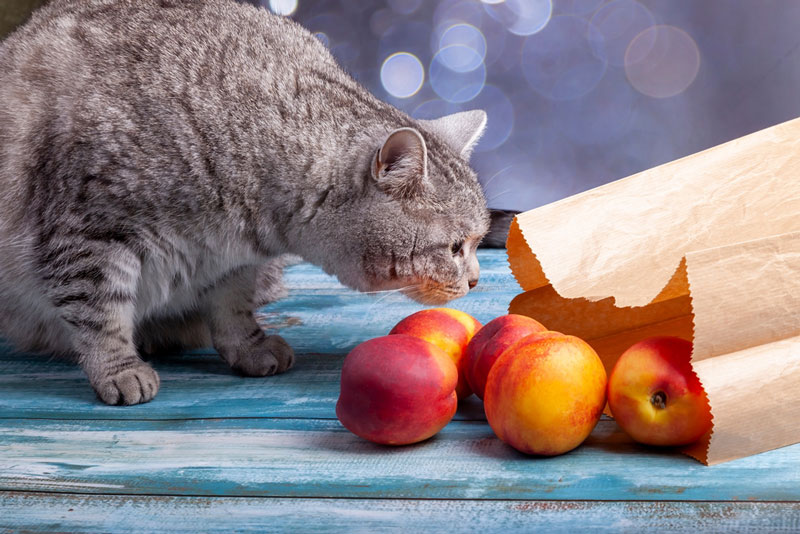
Have you ever wondered if your fuzzy feline friend can munch on nectarines? Well, the answer is yes, but with some important guidelines. Cats can eat nectarines, but it’s not as simple as tossing a slice to them. While these juicy fruits are not toxic to cats, we need to pay attention to how they might react to them. It’s always best to prioritize our pets’ health and happiness when considering what to feed them.
Isn’t it fascinating to think about what our pets can and cannot eat? Nectarines, with their sweet and juicy flavor, are a summer delight for many of us. But before we share them with our furry companions, it’s essential to consider their digestion and dietary needs. Cats are obligate carnivores, meaning their main dietary requirement is protein, primarily from meat, but some fruits can serve as an occasional treat.
If you’re curious to learn more about nectarines and our delightful feline friends, keep reading! We will explore the ins and outs of whether these fruits are suitable for them, how much they can have, the benefits they provide, the risks involved, and even some healthy alternatives. We promise it’ll be both informative and fun!
You might also be interested in: Can Cats Eat Peach?
Can Cats Eat Nectarines?

Nectarines might be a delightful treat for us humans, but when it comes to our cats, they require a bit more scrutiny. So, can our furry friends indulge in this delicious fruit? The short answer is: yes, they can, but with a few important caveats!
First, let’s explore what nectarines are. Nectarines are similar to peaches, but they have smooth skin instead of fuzzy skin. They are sweet, juicy, and packed full of vitamins and minerals that are beneficial for human consumption. However, our cats’ digestive systems are quite different from ours. Cats are obligate carnivores, which means they primarily thrive on meat. However, they can occasionally enjoy small amounts of fruits like nectarines.
It’s important to note that while the fleshy part of the nectarine can be safe for cats, we must avoid giving them the pit since it can be a choking hazard or cause intestinal blockage. Moreover, the pit contains substances that, when metabolized, can form cyanide, which is toxic. So, always make sure to remove the pit before offering your kitty a slice!
How Much Nectarines Can Cats Eat?
The million-dollar question, right? How much can our cats eat? Well, moderation is key! Since cats are primarily meat-eaters, fruits should only make up a very small part of their diet. If we decide to share a little piece of nectarine with our furry friends, it’s best to start with just a small slice at first. This way, we can see how they react to the new treat.
Let’s say your cat is curious and seems to go for that juicy slice. Just remember, a teaspoon-sized piece is more than enough for a taste test! If there are no adverse reactions, such as upset stomach or vomiting, then we can consider offering a slightly larger piece in the future.
Still, it’s important to avoid turning nectarines into a regular treat. Cats don’t require fruits in their diet, and while the occasional piece can serve as a delightful snack, it’s best not to make it a staple. Fresh water and a high-quality, protein-rich cat food should be tops on our list when it comes to keeping our feline friends healthy and happy.
Benefits Of Nectarines To Cats
1. Hydration: One of the main benefits of offering nectarines to our cats is the hydration they provide. Nectarines have a high water content, which can help keep our kitties hydrated, especially during the hot summer months. While cats often don’t drink enough water, a small piece of juicy fruit can be a fun way to encourage them to get some fluids in!
2. Vitamin A and C: Nectarines contain vitamins such as Vitamin A and Vitamin C, both of which are important for overall health. Vitamin A supports good vision while Vitamin C acts as an antioxidant, promoting a healthy immune system. While cats typically receive these vitamins from their meat-based diet, a treat now and then could provide an extra boost!
3. Dietary Fiber: Aside from vitamins, nectarines also offer some dietary fiber, which can be helpful in maintaining a healthy digestive system. However, we must be careful not to overdo it since too much fiber can lead to digestive upset in cats. A little bit can be beneficial and provide some fun variety in their diet!
4. Strengthen Bond: Sharing a little nectarine with our cats can strengthen our bond with them. Cats are curious by nature, and including them in our snack time can be a fun experience for both of us. Just like we can enjoy a sweet treat, our furry companions might love the variety too!
5. Stimulate A Cat’s Mind: Lastly, providing new foods, like nectarines, can stimulate a cat’s mind. Cats enjoy exploring new tastes and textures, which can lead to enrichment activities. Enrichment is essential for our cats’ mental health and can help reduce boredom.
Dangers Of Feeding Nectarines To Cats
While nectarines can be safe for cats in moderation, there are risks involved that we still need to consider. The first major concern is the pit. The pit of a nectarine is hard and poses a choking hazard. If swallowed, it could lead to serious health issues, including intestinal blockages. Always make sure to remove the pit before offering any fruit to our furry pals.
Another potential risk is the sugar content. Nectarines are naturally sweet, and while they are a healthier option than many processed treats, they can still lead to weight gain if offered too frequently. Cats are prone to obesity, which can lead to diabetes, joint problems, and other health concerns. It’s crucial to keep their treats limited and not allow them to replace their balanced diet.
Some cats may have sensitivities to certain fruits or foods, which could lead to vomiting, diarrhea, or other digestive issues. It’s always wise to start with small portions and monitor their reactions. If we observe any negative symptoms, we should refrain from offering nectarines again.
Lastly, if nectarines are treated with pesticides or chemicals, they can pose a danger to our pets. It’s best to wash the fruit thoroughly or opt for organic options to reduce the risk. Just like we care about what we eat, we must care about what we share with our furry family members!
Substitute Of Nectarines For Cats
1. Watermelon: If we want to offer our cats a fruity treat, there are several alternatives to nectarines that are also safe! For instance, watermelon is a great choice! It’s hydrating and has a low sugar content. Just make sure to remove the seeds and rind before offering it to our felines.
2. Blueberries: These are another option! They’re low in calories and high in antioxidants. Many cats enjoy the taste, and they make for a great snack that provides some health benefits as well.
3. Pumpkin: This is a superfood for cats! It’s packed with fiber and can help with digestive health. A small spoonful of plain, canned pumpkin can be a delicious and nutritious treat without the sugar of fruits.
4. Plain yogurt: This is another fantastic option! While not all cats can tolerate dairy, for those that can, yogurt can provide probiotics that promote a healthy gut. Always introduce any new food slowly to monitor their tolerance.
5. Cantaloupe or Strawberries: Lastly, we might consider small bits of fruits like cantaloupe or strawberries. Many cats love the taste of these as well! Always stick to small portions, and monitor for any reactions.
Can Cats Eat Nectarines? Frequently Asked Questions
Are Nectarines Safe For All Cats?
While nectarines can be safe for many cats, not all cats might tolerate them well. Each cat is unique, so we should always introduce new foods gradually.
Will Nectarines Make My Cat Sick?
Nectarines shouldn’t make cats sick if offered in moderation. Just be cautious of the pit and keep an eye on any reactions.
Can I Feed My Cat Other Fruits?
Yes, many fruits are safe in moderation. Remember to check for any potential hazards and avoid toxic fruits like grapes and raisins.
How Often Can My Cat Have Fruits?
It’s best to keep fruits as occasional treats. Once in a while is enough to keep things fun without overindulging!
Should I Ask My Vet Before Giving Fruits To My Cat?
If you’re unsure, it’s always a great idea to check with your vet! They can provide personalized guidance for your cat’s dietary needs.
Final Thoughts
In conclusion, we’ve learned a lot about whether cats can eat nectarines! Moderation is key, and while our furry friends can enjoy this delicious treat on occasion, it’s essential to keep their health and safety in mind.
Sharing a juicy slice of nectarine can be a delightful bonding experience, as long as we take precautions to ensure our cats’ well-being. If we’re ever in doubt, don’t hesitate to ask a vet for guidance and suggestions. It’s always a joy to explore new treats for our pets while ensuring they remain safe and healthy!
We invite you to check out more fascinating topics on our blog. You might want to learn about other pet-friendly foods or discover if cats can eat watermelon.