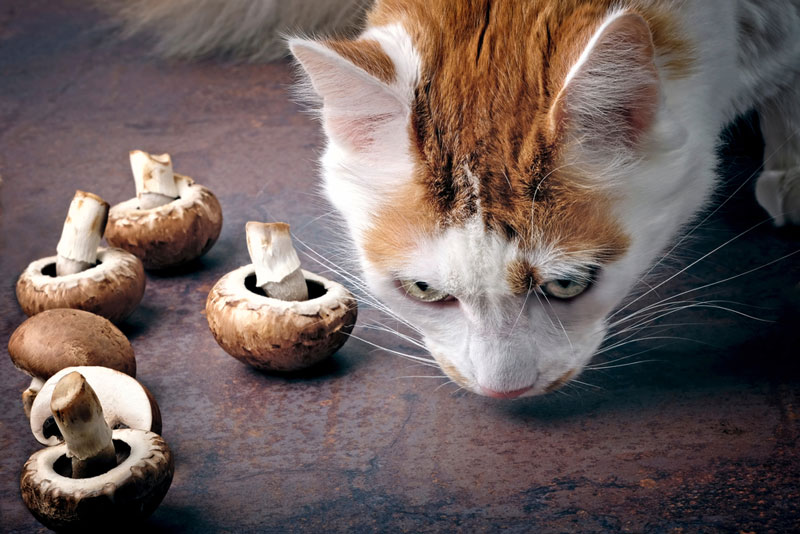
Can cats eat mushrooms? This is a question that many cat owners have when considering their pet’s diet. The quick answer is no, cats should not eat mushrooms. While some types of mushrooms are safe for humans, many mushrooms can be toxic to cats. It’s essential for us, as responsible pet owners, to keep our feline friends safe by avoiding feeding them mushrooms or allowing them to play with them.
Mushrooms can be a fun and nutritious addition to human meals, but they are not the same for our pets. Unlike us, cats are obligate carnivores, meaning their diet should primarily be meat-based. Some mushrooms can cause gastrointestinal upset, while others can lead to severe health issues. So, let’s explore the implications of mushrooms in our cats’ lives, and what alternatives we might consider instead.
Curious about mushrooms and their effect on our furry companions? Join me as we break down everything you need to know about cats and mushrooms, including what to do if your cat eats them, safe food alternatives, and common questions that pet owners have. Let’s keep our cats safe and informed!
You might also be interested in: Can Cats Eat Radishes?
Can Cats Eat Mushrooms?
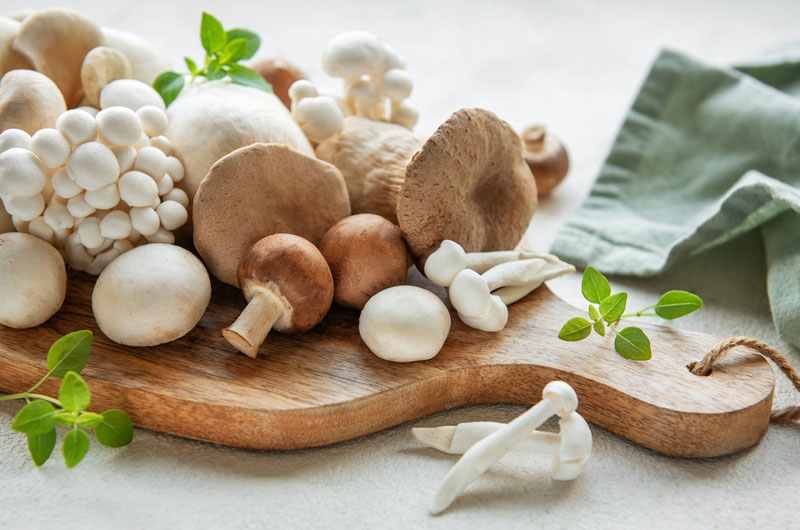
When it comes to our feline friends and mushrooms, the verdict is clear: we should definitely avoid feeding them to our cats. While some pet owners may think that a little piece of mushroom won’t hurt, it is important to remember that cats are truly unique in their dietary needs and restrictions. Some mushrooms are completely safe for humans and even offer nutritional benefits, but not all fungi are friendly. Just like with chocolate or grapes, some foods that we cherish can be harmful—or even deadly—to our pets.
Cats lack the enzymes necessary to break down certain compounds found in mushrooms. This could range from mild symptoms like vomiting or diarrhea to more severe effects depending on the type of mushroom consumed. Some mushrooms contain toxins that can affect the liver and kidneys, leading to serious health consequences. So, as cat parents, it’s crucial for us to be vigilant and keep these little fungi away from our furry pals.
In fact, many mushrooms are classified as either edible, poisonous, or highly toxic. Just because a variety of mushroom is safe for human consumption does not mean it is safe for our beloved cats. When in doubt, it’s best to err on the side of caution and keep mushrooms off the menu entirely.
How Much Mushrooms Can Cats Eat?
The short answer is simple: cats should not eat mushrooms at all. Since almost all types of mushrooms can cause some adverse reactions, there is no safe amount we can consider. Even a tiny nibble could lead to a health scare. This is particularly true when we think of wild mushrooms, which may be even more dangerous than the cultivated varieties we find in grocery stores.
If we suspect that our cats have ingested mushrooms—even if they appear to be fine—monitoring them closely is essential. While some cats might show no immediate symptoms, others can react differently. Symptoms can range from mild gastrointestinal upset to severe reactions, depending on the mushroom type. In cases of ingestion, always consult a veterinarian to play it safe.
As responsible cat owners, we are tasked with keeping our furry friends safe. With mushrooms being so unpredictable, we should definitely steer clear of them. Instead, it would be better to provide our cats with meat-based treats or specialized cat snacks that are formulated for their dietary needs.
Additionally, establishing a pet-friendly environment—a safe space where no wild mushrooms could grow—can help mitigate this risk. For example, we can regularly check our yards or gardens and remove any mushrooms that sprout up. Our vigilance can make a significant difference in keeping our cats happy and healthy!
Benefits Of Mushrooms To Cats
1. There are no benefits for cats consuming mushrooms. Unlike treats made specifically for them, mushrooms do not offer the necessary nutrients that cats require. Instead, our feline friends thrive on a high-protein diet derived from meat, which is packed with the nutrients they need for healthy growth and development.
2. Giving our cats cat-safe treats or food is the best way to ensure they receive balanced nutrition. Many commercial cat treats contain essential vitamins and nutrients that enhance their overall health and well-being. Mushrooms do not provide any of the significant benefits that specialized cat food and treats offer, making them less ideal.
3. Feeding a diverse and balanced diet can help prevent potential health issues like obesity and dental problems in our cats. Making informed decisions concerning what to feed them releases us from the worry of unintended toxicity. We have so many great options that provide nourishment without the risk associated with mushrooms.
4. By focusing on high-quality commercial cat food or consulting with our veterinarian about homemade diets, we can foster our cats’ overall health while ensuring their dietary safety. Nutrition is essential for feline vitality, and we can make decisions that really matter to their well-being without resorting to potentially harmful foods.
5. There are numerous alternative foods that offer health benefits while being completely safe for cats. For example, we can give them cooked chicken or turkey, which can be a delightful treat without any concerns. We can also look into cat-approved vegetables like cooked carrots or peas. It’s always more beneficial to opt for foods that align with their dietary needs and keep them coming back for more.
Dangers Of Feeding Mushrooms To Cats
Feeding mushrooms to cats can pose a great risk to their health, and as pet owners, we know that keeping our furry friends safe is paramount. One of the most daunting risks of mushrooms is the potential for toxicity. While we may eat some mushrooms without issues, many varieties can be harmful, making it essential to stay well-informed.
Research indicates that certain mushrooms—like the infamous Amanita phalloides—can be lethal to both cats and humans. Even mushrooms that are not immediately toxic can cause various health issues when ingested. Common signs of discomfort include vomiting, diarrhea, lethargy, and abdominal pain. If our cat displays any of these symptoms after eating mushrooms, contact a veterinarian urgently to assess the situation.
Another danger comes from wild mushrooms, which can sprout in gardens and yards. These fungi can easily deceive our feline friends and pique their curiosity. Cats are often prone to exploring and tasting things that catch their attention, which can lead them to ingest something dangerous if we are not vigilant in preventing it. Regularly inspecting our outdoor spaces and removing any wild mushrooms can help shield our cats from exposure to harmful varieties.
Sometimes, even seemingly safe mushrooms can cause gastrointestinal distress or an allergic reaction in some cats. Allergies and sensitivities can vary from one cat to another, meaning one cat might be fine after sneaking a nibble, while another could end up severely ill. Consequently, it’s crucial for us to remain cautious.
In conclusion, avoiding mushrooms as a part of our cats’ diet keeps our furry companions safe while ensuring we won’t have to deal with any unpleasant surprises. Our cats depend on us for their well-being, and securing them from foods that can harm them is a big part of our responsibilities as loving pet owners.
Substitute Of Mushrooms For Cats
1. Cooked Lean Meats: Instead of mushrooms, we can offer our cats various delicious alternatives that are completely safe. Cooked lean meats, such as chicken, turkey, or beef, make great protein-rich snacks. Cats love the taste of meat, and it supports their overall health!
2. Veggies: If we want to include veggies in their diet, consider offering cooked carrots or peas. These veggies are safe for most cats in moderation and come packed with vitamins that can contribute to a well-rounded diet. Just make sure to cook them thoroughly to aid digestion!
3. Cat-safe Treats: We can also introduce cat-safe treats specifically formulated for felines. Many brands offer treats loaded with essential nutrients, vitamins, and minerals—without the risks that other foods bring. Always check the label to ensure they are suitable for cats.
4. Fish: This can also be a delightful option for our cats! A small amount of cooked fish or even cat food containing tuna or salmon can give them a treat they will surely enjoy. We should avoid raw seafood, as it can contain harmful bacteria, and always stick with cooked alternatives for safety.
5. Cat-approved Food Alternatives: Consulting with our veterinarian can also provide insights into cat-approved food alternatives. They can recommend the best diets according to our individual cats’ needs, ensuring that we make informed choices that align with their health and well-being.
Can Cats Eat Mushrooms? Frequently Asked Questions
What Should I Do If My Cat Eats Mushrooms?
If you suspect your cat has eaten mushrooms, it is important to monitor them for any symptoms. Contact your veterinarian immediately, as they can provide guidance and take appropriate action if necessary.
Are There Any Cats That Can Safely Eat Mushrooms?
No. There isn’t a type of cat or breed that can safely eat mushrooms. Cats lack the digestive systems and enzymes needed to handle many compounds found in mushrooms, and individual sensitivity can vary widely. What may seem harmless to one cat can be dangerous to another.
Can Cats Have Any Type Of Mushroom?
It’s safest to assume no mushrooms are safe for cats. While some store-bought mushrooms eaten in tiny amounts may not always cause harm, wild mushrooms can be extremely toxic—even in small doses—and it’s nearly impossible to tell them apart. Because the risk is high and the benefit is zero, mushrooms should never be offered to cats.
How Can I Keep My Cat Away From Mushrooms In The Garden?
Regularly inspect your garden or yard and remove any mushrooms as soon as they appear, wearing gloves while doing so. Keep cats indoors during damp weather when mushrooms are more likely to grow, and block access to areas where wild fungi frequently appear. Supervision is key, especially for curious cats.
What Are Some Safe Treats For Cats Instead Of Mushrooms?
Choose treats that align with a cat’s natural diet. Good options include small pieces of plain cooked chicken or turkey, freeze-dried meat treats, or veterinarian-approved commercial cat treats. These provide enjoyment and nutrition without the serious risks associated with mushrooms.
Final Thoughts
If you enjoyed this article, feel free to check out more enlightening topics on pet care, like can cats eat beets or what our furry friends can munch on instead! We’re all about sharing the love, knowledge, and preventing anything that could put our beloved cats at risk. Keep exploring and learning about how to keep your pet happy and healthy!