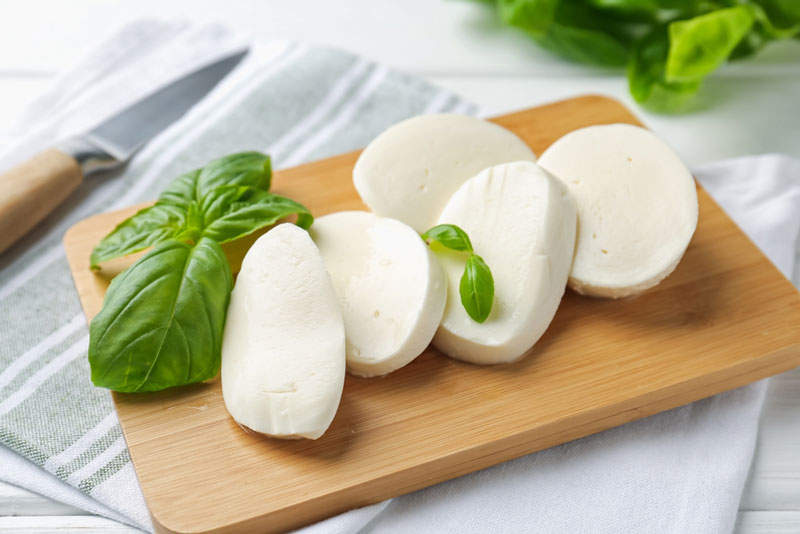
Have you ever wondered if your fluffy feline friend can munch on mozzarella cheese? The good news is that cats can actually eat mozzarella cheese, but with a few important considerations. While mozzarella is not toxic to cats, it does not mean it’s the healthiest treat out there for them.
Cheese might seem like an easy and delightful snack to share with our furry companions. Just imagine the adorable face of your cat as they inch closer to a piece of melted cheese! But let’s take a moment to think about our kitty’s tummy and overall health before sharing such treats.
So, stick around as we uncover what’s best for our purring pals when it comes to eating mozzarella cheese. You might learn a thing or two that helps you make the right choices for your pet!
You might also be interested in: Can Cats Eat Parmesan Cheese?
Can Cats Eat Mozzarella Cheese?
Let’s start with the big question: can cats eat mozzarella cheese? The answer is yes and no. Cats can eat mozzarella cheese safely in small amounts, but that doesn’t mean they should. Cats are obligate carnivores, which means their bodies are designed to thrive on a diet primarily consisting of meat. Dairy products, including cheese, aren’t natural components of a cat’s diet. While some cats may enjoy the taste of mozzarella and might even beg for a bite, many adult cats are lactose intolerant. This means their bodies may not be able to properly digest lactose, the sugar found in milk and dairy products.
That being said, mozzarella cheese has a lower lactose content compared to other types of cheese, which is why some cats can handle it better. If you’re considering sharing mozzarella with your cat, you need to be mindful of the portion size—small amounts are the key! It can be a special treat, but it should never replace their regular cat food, which provides all the necessary nutrients. Always watch your kitty after introducing any new food. If they show signs of digestive discomfort, it’s best to skip the cheese next time.
How Much Mozzarella Cheese Can Cats Eat?
Now, you might be wondering how much mozzarella cheese is safe for your furry friend. Think of it as a tiny celebration rather than their daily meal. A good rule of thumb is to limit mozzarella cheese to a few small pieces—maybe a teaspoon or two—once in a while. It’s not exactly a scientific formula, but it’s a good starting point! Usually, every cat is different in how they respond to cheese, so we should monitor them closely.
As we’ve mentioned earlier, many adult cats don’t digest lactose well. Giving them too much cheese can lead to upset stomach, diarrhea, or even vomiting. If it’s your cat’s first encounter with mozzarella cheese, we recommend starting with a tiny piece to see how their stomach reacts. Pay close attention, and if it leads to any unpleasant results, it’s best to steer clear of cheesy treats. Also, remember that treats shouldn’t exceed 10 percent of their daily caloric intake, with the rest coming from their nutritious cat food.
For instance, if you’re treating your cat to a piece of mozzarella, ensure they’ve had their regular meals beforehand and offer it during playtime or after a wipe-out on their favorite scratching post. It can make the experience feel like a fun reward! However, the important thing is to maintain a balanced diet. Treats, even the cheesy kind, shouldn’t outshine their usual feed. If your cat is overweight or prone to gastrointestinal issues, consulting with a veterinarian for specific guidance is always a wise idea.
Benefits Of Mozzarella Cheese To Cats
1. Bonding Experience: Sharing mozzarella cheese can be an enjoyable bonding experience. When we provide our cats with little treats, it can strengthen our relationship with them. Cats love to be rewarded, and offering a small taste of mozzarella can create a moment of joy.
2. New Source of Entertainment: Some cats may find that mozzarella cheese serves as a new source of entertainment. Especially those playful felines that love to chase after anything that rolls! You can toss a small piece of mozzarella and watch them pounce like a little lion in the wild.
3. Rich Source of Protein: Mozzarella cheese has a rich source of protein which can provide your feline friends with some additional energy. While it should not replace their meat-based diet, a small taste of mozzarella cheese can offer some variety to keep things interesting.
4. Tickle Kitty’s Fancy: The texture and gooeyness of melted mozzarella cheese might just tickle your kitty’s fancy! Some cats could find it incredibly satisfying to nibble on this creamy cheese, which can be a delightful treat on occasion.
5. Helps Observe Your Cat: Finally, sharing a piece of mozzarella may allow us the opportunity to observe our cat’s reactions, preferences, and quirks. Every cat has a unique personality, and discovering what makes them happy can be an exciting part of pet ownership.
Dangers Of Feeding Mozzarella Cheese To Cats
Even though mozzarella cheese can be a cute and tasty treat, it comes with some potential risks we need to keep in mind. The biggest concern here is lactose intolerance, which affects many cats. If your pet cannot digest lactose, indulging in mozzarella could cause gas, bloating, or diarrhea. Monitoring your cat after providing cheese is critical, so we know how they respond.
Another important factor to consider is the potential for obesity. Cats already tend to be less active, and adding extra calories from cheese can contribute to weight gain over time. If our cats become overweight, they can be at risk for various health issues, including diabetes and joint problems. As pet owners, it’s essential to keep track of their weight and adjust their food accordingly.
We must remember that weight management is vital for a long and happy life for our furry buddies!
There’s also the possibility of allergies. Just like humans, some cats can be allergic to specific food items, and cheese is no exception. Symptoms of an allergic reaction may include itching, swelling, or gastrointestinal upset. Always closely monitor your cat’s reaction when introducing new foods into their diet and be prepared to take action if something doesn’t seem right.
Lastly, we should consider how cheese can be high in sodium and fat. Depending on the type of mozzarella we have, it may contain additives that aren’t suitable for our pets. These fats aren’t the healthiest for our cats, and they must consume them in moderation. Therefore, we want to keep an eye on how much mozzarella we’re sharing with our beloved pets!
Substitute Of Mozzarella Cheese For Cats
1. Plain Cooked Chicken: If you’re looking for a healthy substitute for mozzarella cheese, why not try plain cooked chicken? It’s low in fat and high in protein, making it a perfect treat for our kitties!
2. Turkey: Another option could be baby food with meat like turkey or chicken. Ensure it is free of onions or garlic, which can be harmful to our cats.
3. Canned Tuna: We can also explore canned tuna packed in water as a tasty treat! Just make sure we offer it in moderation since it can be high in mercury. It’s a great source of protein and flavor that most cats go crazy for!
4. Freeze-dried Meat: If you want a crunchy treat, how about some freeze-dried meat? This will give kitties a satisfying crunch while providing them with nutrition.
5. Cat Treats: Finally, consider offering your cat some commercially available cat treats that include meats or fish. They’re formulated specifically for our furry friends and will keep their nutrition in check while providing fun flavors!
Can Cats Eat Mozzarella Cheese? Frequently Asked Questions
Is Mozzarella Cheese Safe For All Cats?
Not all cats react the same way to cheese. While some may enjoy it without any issues, others may experience digestive problems. It all depends on our individual kitty.
Can Kittens Eat Mozzarella Cheese?
Kittens, like adult cats, often struggle with lactose intolerance. It’s best to wait until they’re older to try giving them cheese if at all.
How Often Can I Give My Cat Mozzarella Cheese?
It’s best to limit mozzarella cheese to just a few small bites occasionally—not a regular part of their diet. Treats should never make up more than 10 percent of their daily caloric intake.
What If My Cat Does Not Like Mozzarella Cheese?
That’s okay! Not every cat loves mozzarella. We should respect their preferences and find alternative treats they enjoy instead.
Should I Consult A Vet Before Giving My Cat Cheese?
If you have concerns or questions about treats for your cat, it’s always good to consult a veterinarian to ensure you’re doing what’s best for your pet.
Final Thoughts
While we’ve learned that cats can eat mozzarella cheese in moderation, there are many factors to consider when it comes to our fur babies and their diets. Keeping a close eye on our cats’ reactions, controlling serving sizes, and providing healthier alternative treats will ensure they maintain their health and happiness.
As loving pet owners, we want nothing but the best for our furry companions. Let’s make the effort to balance treats with their nutritional needs and keep our time with them enjoyable. If you’re curious about other pet-related topics, consider exploring this blog post about cats and cake. Thanks for reading, and happy pet parenting!