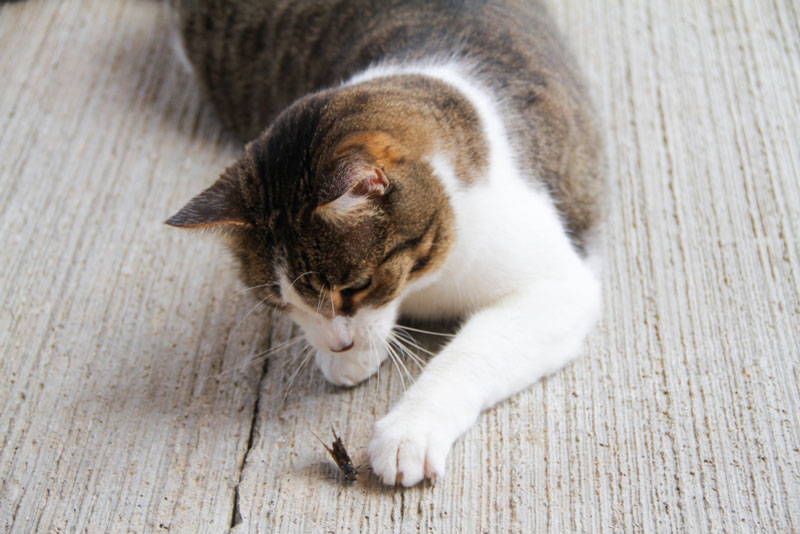
Have you ever wondered if cats can eat moths? The answer is yes! Cats can indeed eat moths, and many of them might just see these fluttering creatures as an enticing snack. Cats are natural hunters, and whenever they see something flitting about, their instincts kick in, and they can’t resist the chase. But as adorable as it is to watch our furry friends go after moths, there are a few things you should know.
The idea of our beloved pets munching on moths might make us giggle a bit. Picture your cat doing battle with a moth in the air, swatting at it like a pro. It is a total cat moment! But as fun as it is, we do need to consider the health aspects and whether moths are safe in their diet. Make sure to stick around because in this article, we will explore everything you need to know about cats and moths. You’ll be the expert in no time!
You might also be interested in: Can Cats Eat Grasshoppers?
Can Cats Eat Moths?
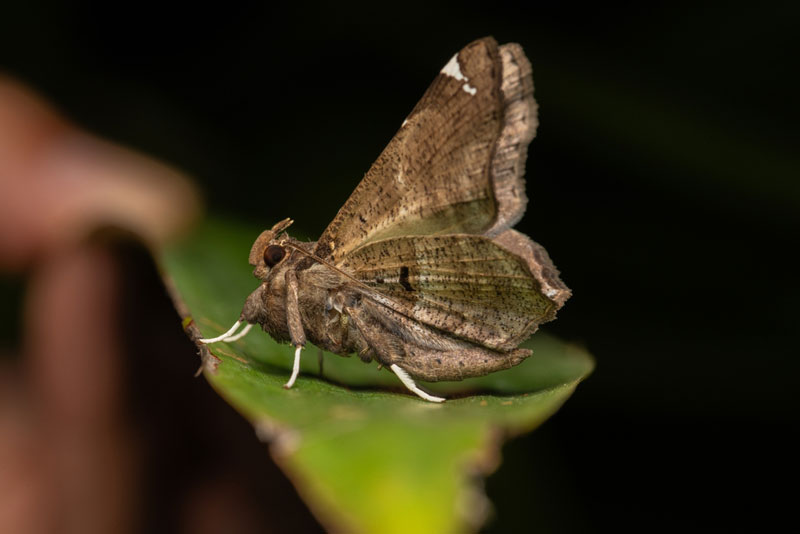
Cats are known for their playful and curious nature. They often chase after bugs and insects, and moths are no exception. Most cats will stalk, pounce, and eventually nibble on these fluttering creatures as part of their natural hunting instinct. So, can our whiskered friends actually eat moths without facing any consequences? Yes, they can! In most cases, moths are not toxic to cats and, therefore, can be consumed without causing major health issues.
That said, while moths themselves may not pose a direct threat to our feline friends, we should consider a couple of factors. For starters, cats can experience gastrointestinal upset when consuming things they are not used to or if they’ve eaten too many insects. Sometimes a mouthful of moths can leave a kitty feeling a little uneasy. It’s all part of their furry charm, right? They may also experience the infamous hairballs when their fur gets caught up in their hunting escapades.
As responsible pet owners, we understand how important it is to pay attention to our furry companions’ health and well-being. While a few moths here and there might not hurt them, having access to a balanced diet is crucial. Cats thrive on a meat-based diet, and it’s essential to provide them with proper cat food that meets their nutritional needs.
How Much Moths Can Cats Eat?
When it comes to the question of how much moths a cat can eat, it’s essential to approach the topic with care. Although munching on a few moths is generally safe, we should always practice moderation. Your kitty’s portion of moths should depend on its overall size and health. Just like we wouldn’t encourage gorging ourselves on snacks, we should keep our feline friends’ snacking habits in check.
You might be wondering, how many moths is too many? As a rule of thumb, a couple of small moths every now and then shouldn’t be a problem. If your curious cat decides to indulge now and again, we can think of it as more of an adventure than a daily meal. But it’s essential to keep an eye on your fur baby, as eating large amounts of insects can lead to signs of distress, such as vomiting or diarrhea.
It’s also important to observe any changes in their behavior after a moth feast. If your cat seems a little off after indulging in this peculiar snack, it may be best to consult a veterinarian. After all, we want our furry friends to be happy and healthy! In the end, while a little moth hunting can be a fun activity for our cats, we still have a responsibility to ensure they eat nutritious foods that support their overall health.
So, let’s embrace our kitties’ pursuits while we remind ourselves that moths should only be considered an occasional snack. Chances are that our little predators will continue to enjoy the thrill of the hunt while we stick to providing them with the right diet.
Benefits Of Moths To Cats
1. Hunting Instincts: Allowing our cats to chase and catch moths offers them an opportunity to fulfill their natural hunting instincts. This encourages mental stimulation and physical exercise, which keeps them active and engaged. Watching our kitties stalk and pounce can be incredibly entertaining, and we can take joy in knowing we’re fostering their natural behaviors.
2. Nutritional Boost: While moths are not a substitute for a balanced diet, they can offer a tiny source of protein. Insects have protein, and munching on the occasional snack might provide a minimal nutritional boost. We should view moths as supplemental snacks rather than a primary food source, as they still play a role in diversifying a cat’s diet.
3. Reducing Indoor Pests: By letting our cats chase moths and other insects, we may also help reduce the number of unwanted pests in our homes. Cats are natural pest controllers, and allowing them to hunt can be an effective way to manage our indoor environment, while providing entertainment for our feline companions.
4. Teaching Limits: Just like with people, consuming everything in moderation is crucial. Allowing our cats to nibble on a few moths can be useful in teaching them about boundaries when it comes to food. It can be a fun way to encourage discussions with our furry friends about eating well while reminding them that excessive snacks are not a replacement for balanced meals.
5. Bonding Time: Observing our cats “in action,” whether they’re stalking moths or simply engaging in playful activities, provides precious bonding moments. Time spent together fosters connection and is essential for our companionship. Watching our cats engage in their natural behaviors is truly heartwarming, and we can cherish these explorations together!
Dangers Of Feeding Moths To Cats
While there are benefits to letting our furry friends chase and munch on moths, it’s essential to recognize the potential risks involved. We all want our pets to be safe and sound, so let’s discuss some of the dangers that come along with this seemingly innocent activity.
First, we have the risk of gastrointestinal upset. Consuming too many moths can lead to vomiting or diarrhea in our cats, which is definitely not pleasant. To keep our pets happy, we should consider limiting their bug consumption and ensuring they maintain a healthy and balanced diet. If you ever notice that your kitty has an upset stomach after indulging, it may be a good idea to keep their moth hunting in check.
Next, there is the possibility of harmful substances or pesticides. Some areas may use pest-control measures that could affect insects like moths. Cats that consume these contaminated insects may inherit some of those toxic substances. As pet owners, we should aim to minimize exposure to these chemicals by ensuring that our cats are not eating moths that may have come from areas where pesticides are used.
Allergies and sensitivity are also concerns. Some cats can develop adverse reactions when consuming certain insects. If we notice any unusual behaviors or allergic reactions, such as itching, swelling, or difficulty breathing after our cats have eaten moths, consulting a veterinarian is crucial. It’s always better to be safe than sorry!
Furthermore, we should be cautious if our cats attempt to eat moths in large quantities. Ingesting an excessive number of insects can lead to intestinal blockages, which can be quite dangerous and require immediate medical attention. Keeping an eye on our cats can help us mitigate this risk, ensuring that their snacking habits remain safe and healthy.
Finally, let’s not forget that some moths might have a more intense defense mechanism than we expect. For example, certain moths may have irritating hairs or toxins that can cause harm to our furry babies. Cats have sensitive systems, and it is essential to stay informed about the bugs they might encounter.
Substitute Of Moths For Cats
1. Crickets: If we want to provide our furry friends with some bug-related excitement while minimizing potential risks, crickets are an excellent option. These little creatures are safe for cats to eat and are often used as treats or snacks. Crickets can offer protein without the accompanying potential dangers of moths.
2. Mealworms: Mealworms are another insect that can be given as a treat for cats. They are rich in protein and can provide essential nutrients for our furry buddies. Dry or freeze-dried mealworms can often be found at pet stores, making them a readily available option!
3. Store-bought Treats: Various store-bought cat treats are available that encompass the essence of hunting without the risks associated with live insects. Look for treats that feature protein-rich ingredients to ensure that we are providing our pets with proper nutrition while still allowing them to enjoy that essential “snack” experience.
4. Fish: Most cats absolutely adore fish! Cracking open a can of fish-based cat food can provide a fabulous alternative to hunting insects. Fish offers amino acids and healthy fats, which help keep our kitties strong and healthy. We can serve cooked fish as a treat for a special occasion, and trust me, our little hunters will thank us!
5. Chicken: Cooked chicken can be a succulent and protein-packed option for our feline companions. Providing small, bite-sized pieces of cooked chicken can keep our cats satisfied, and it fulfills their hunting instincts while delivering all the necessary nutrition they need. Every cat deserves a tasty chicken treat every now and then!
Can Cats Eat Moths? Frequently Asked Questions
Is It Safe For My Cat To Eat Moths?
Generally speaking, yes! Cats can safely eat moths, although moderation is key.
What If My Cat Ate A Lot Of Moths?
If your cat has consumed many moths and shows signs of gastrointestinal upset, contact your veterinarian for guidance.
Can I Stop My Cat From Eating Moths?
True, while we might not be able to eliminate their hunting instincts entirely, we can try to redirect their attention to safe toys or treats.
Are Moths Good For My Cat’s Health?
Moths aren’t a complete meal but can offer minimal protein. It’s important to prioritize a balanced diet.
What Are Safer Insect Options For Treats?
Crickets and mealworms are popular options that are safe and nutritious substitutes!
Final Thoughts
In conclusion, while our furry buddies can munch on moths, they should certainly not rely on them as a primary food source. Being attentive to what our cats eat is essential for their comfort and health. As we enjoy watching our little hunters exhibit their natural instincts, let’s also ensure we’re providing them with a nutritious diet that supports their delightful personalities.
Embracing a well-rounded approach can lead to a happy, healthy kitty. Don’t forget to explore other fascinating topics related to our furry friends, like ones found in this article about cats and roaches and cats and centipedes. Our pets are precious, and we ought to cherish them together!