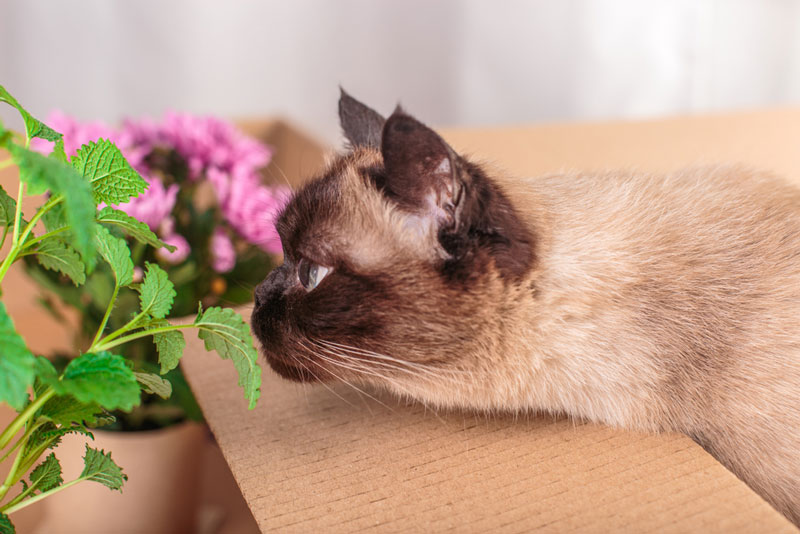
Have you ever wondered if our furry friends can munch on mint leaves? Well, the answer is yes, but with some important caveats! Cats can eat mint, but not all types of mint are created equal, and it’s important to know how to introduce it safely. While it may sound like a refreshing treat, mint might not be the best for every cat.
Cats have strange tastes! Some kitties love the smell of mint, while others might turn their noses up at it. But let’s not forget that mint can also have some effects on our felines that we should be aware of. It can be beneficial in some cases, but it can also pose certain risks. That’s why knowing more about how to handle mint and cats is important for all cat parents!
Stick around as we explore more about cats and mint! Whether you’re a cat owner or simply a cat enthusiast, this article is packed with everything you need to know, including how much mint is safe, the potential benefits, risks, and even some substitute options. You won’t want to miss it!
You might also be interested in: Can Cats Eat Rosemary?
Can Cats Eat Mint?
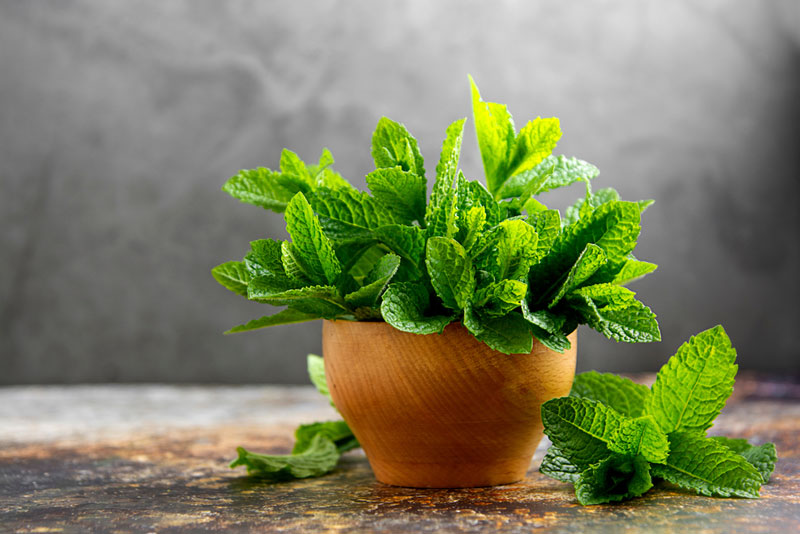
Mint typically belongs to the Lamiaceae family and includes various species like peppermint and spearmint. Cats can indeed eat some types of mint, but it’s not a common food choice for our whiskered pals. Unlike catnip, which many cats absolutely love, mint might just be a mild interest or even a scent they can’t resist. Mint is aromatic, and while it may send some cats into a playful state, others might find it just plain confusing.
While we can introduce some mint to our cats, it’s important to note that moderation is key. We wouldn’t want to go expecting our cats to chomp on mint leaves like they would their favorite treats. Instead, we should be mindful of the amount and frequency we offer it. Not all cats will respond the same way to mint, and each kitty has its own unique preferences.
How Much Mint Can Cats Eat?
When it comes to introducing mint into our cats’ diet, starting small is best. We can try offering a tiny mint leaf or a pinch of dried mint to see how they respond. If our feline friends sweetly accept it, we can gradually incorporate a little more into their diet. However, it’s wise not to go overboard. A small piece of mint occasionally is all that’s generally safe for cats. We want to share the experience with our cats without overwhelming their system.
Each cat is unique, so let’s keep an eye on them after introducing mint. If they appear out of sorts, it might be time to rethink their mint consumption. Signs of discomfort after eating mint could include vomiting or diarrhea, and we certainly don’t want to upset our adorable furballs!
Typically, a cat should not consume more than one leaf or a teaspoon of dried mint at a time. That’s often more than enough to satisfy their curiosity without putting their health at risk.
Furthermore, we should also remember that not all mint varieties are created equal. Some, like peppermint, might be more potent and could cause an upset tummy if consumed in larger quantities. Thus, sticking to milder varieties is generally best.
It’s essential to create a balance where our cats can enjoy a touch of mint while ensuring their safety and well-being. So let’s make those choices with care!
Benefits Of Mint To Cats
1. Aid Digestion: Mint can aid digestion. Although not necessarily a primary item in a cat’s diet, a little bit of mint has been known to help soothe and ease any tummy troubles. It can provide some comfort for cats that may experience minor stomach issues.
2. It’s Aromatic: Mint has a fresh scent that can be stimulating for our cats, leading them to be more playful. While some cats might roll in catnip, others might show a similar behavior towards mint, leading to some fun playtime.
3. Insect-repelling Qualities: It even has potential insect-repelling qualities! This could be handy when we think about protecting our kitties from pesky fleas or other bugs. While mint isn’t a substitute for regular flea remedies, occasionally incorporating it might help to keep those little creatures at bay.
4. Low in Calorie: Unlike some other treats, mint is low in calories. Our cats can enjoy these benefits without worrying about unwanted weight gain. It can be a little reward that doesn’t ruin their meal plans.
5. Enrichment: Some owners have found that offering mint can also provide a little enrichment. It’s a new scent for our kitties, stimulating their senses and offering a tiny party for their noses. Every once in a while, changing up the culinary landscape can make our homes more vibrant!
Dangers Of Feeding Mint To Cats
While we can see some benefits of mint for our furry pals, it’s crucial to pay attention to the risks involved as well. Some cats may seem completely unfazed by mint, while others could have adverse reactions. It’s wise to consult a vet if we ever notice unusual behavior after our cats consume mint. Just like us, our feline friends can have a variety of sensitivities.
Some common reactions can include digestive upset, which we should always be aware of. If our cats eat too much mint, they might experience symptoms like vomiting or diarrhea, which we definitely want to avoid. Additionally, if cats are allergic to mint, they could experience skin irritation or other symptoms when they come into contact with it.
Another consideration is that not all mint is non-toxic. Some plants, including other mint species, may not be safe for cats. If we ever have the chance to try a new mint type, we should always double-check with our vet to ensure it’s safe. Cats are curious creatures, and they like to explore everything in their surroundings, including plants!
We should also be cautious about any mint-flavored products around the house. Things like toothpaste or candies often contain essential oils or sweeteners that could be harmful to our furry friends. As responsible cat owners, it’s our duty to ensure that nothing our cats consume could be potentially harmful.
Safe mint options are always best, and we really should keep an eye on how our cats react to even small amounts of it. It’s our responsibility to prioritize their health and happiness.
Substitute Of Mint For Cats
1. Catnip: If we want to stick with something playful for our cats, catnip is always a winner! Many cats react particularly positively to catnip with playful energy. If mint doesn’t work for our cats, consider catnip as an ideal alternative.
2. Valerian Root: This is another excellent option that many cats seem to love. It can provide a similar response to catnip and mint, giving them the cheerful reaction we are looking for without unnecessary risks.
3. Wheatgrass: Adding a bit of wheatgrass to our cats’ diet can be beneficial, too. It can aid digestion and provide nutrition, and most cats enjoy nibbling on it. It’s safe and comes with its own set of health perks.
4. Parsley: This can be used as an alternative with potential safe benefits! Not only is it aromatic, but it can also help with digestion and is low in calories.
5. Treats: If a cat seems especially sensitive to mint, we could also consider simply giving them small amounts of their regular treats, ensuring that they enjoy something without the risk of mint-related issues!
Can Cats Eat Mint? Frequently Asked Questions
Is All Mint Safe For Cats?
While some types of mint can be safe for cats, always check the specific type of mint before offering it to them. Consulting a vet is always the best route to taking precautions!
Can Cats Be Allergic To Mint?
Yes, cats can have allergies. Some might develop skin irritation or digestive issues if they have a sensitivity to mint, so it’s good to watch for any reactions.
How Much Mint Can I Give My Cat?
It’s best to stick to small amounts, typically one leaf or a teaspoon of the dried variant at a time, to prevent any digestive upsets.
What Are Other Treats I Can Give My Cat?
Cats love catnip, valerian root, wheatgrass, or even small bits of cooked chicken or fish. Always choose safe treats that their stomachs can handle!
Can Mint Help With My Cat’s Bad Breath?
Mint can help freshen their breath a little, but it shouldn’t replace proper dental care. Regular brushing is still the best way to keep their teeth healthy!
Final Thoughts
In conclusion, while cats can eat mint, we need to be cautious. It can have some advantages, like aiding digestion and providing some fun playtime but we must ensure that we introduce it safely. Always observe our furry friends for any reactions, and opt for small amounts, especially with new items in their diets!
Keeping our cats healthy should always be our top priority, so let’s make those informed choices together. If you’re curious about more pet topics, be sure to explore more on our blog, including guidelines on basil safety for cats!
We’re thrilled to share this journey with all of you and your beloved pets. Let’s keep our lovely companions safe, happy, and healthy!