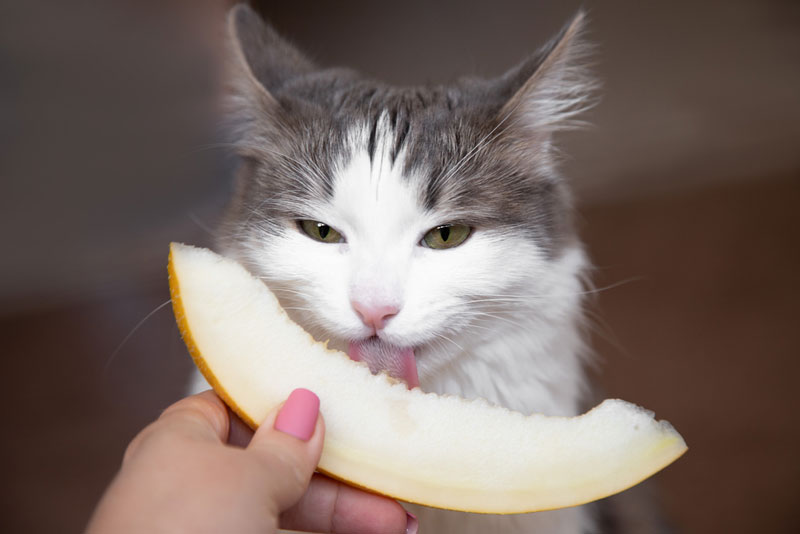
Can cats eat melon? This is a question many cat owners ask, especially when they find their furry friends eyeing their summer snacks. The answer is yes, in moderation! Melons can be a safe and refreshing treat for cats as they are non-toxic. However, it’s important to keep in mind that not all cats are fans of fruit, and their digestive systems are unique. Some might even find melons a bit too sweet for their taste.
Cats are obligate carnivores, meaning their diet mainly consists of meat. But every now and then, giving them a piece of melon could be a fun and juicy treat, especially during hot days. Natural hydration from fruits can be an added bonus, but make sure to only serve small pieces without seeds or rinds to avoid any potential choking hazards.
If you’re curious about the specifics of sharing melons with your feline friend, you’re in the right place. Let’s explore everything you need to know about cats eating melon, including how much they can eat, the benefits, risks, and fun alternatives. Keep reading to discover more about this fruity question!
You might also be interested in: Can Cats Eat Berries?
Can Cats Eat Melon?
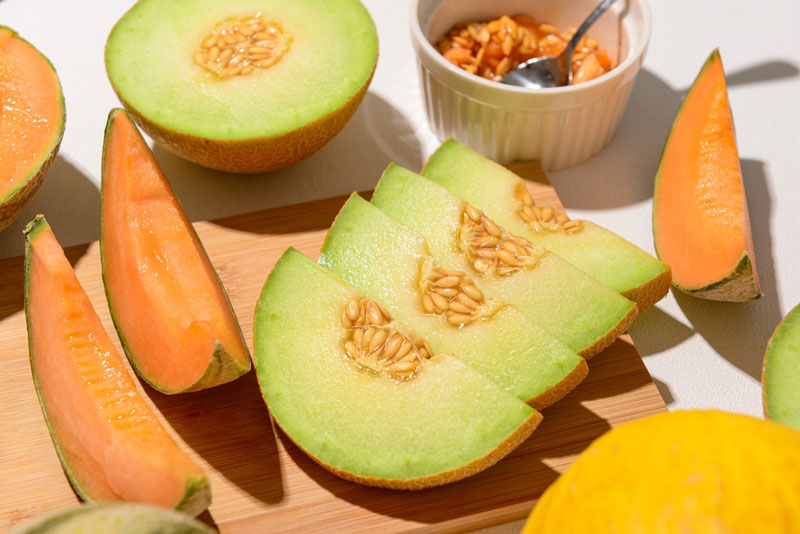
Melons can be a delightful snack for our curious kitties! These fruits come in various flavors such as watermelon, cantaloupe and honeydew, which can all be safe for cats to consume in moderation. When cats nibble on a small piece of melon, they can appreciate the juicy texture and fresh taste. However, before we put a slice in their paws, there are some guidelines to follow.
Firstly, we should always remove the seeds and rind of the melon. While the flesh of the fruit is safe for our feline companions, the seeds of certain types of melons can cause gastrointestinal upset or potentially get lodged in their intestines. The rind is also tough for cats to digest, which can lead to stomach issues. By serving only the vibrant, juicy flesh of the melon, we’re ensuring that our cats can enjoy this fruity treat without any worries.
Let’s not forget that each cat has its own preferences! Some cats might be indifferent to melon while others may show great interest. It’s part of their quirky nature—just like how some cats love boxes and others prefer bags. If our kitty looks intrigued by that slice of fruit, we can go ahead and give it a try (in moderation of course!). Always start with a small piece to gauge their reaction.
So, can cats eat melon? Yes, they can! But like most things, moderation is key. We don’t want our furry friends munching on too much fruit, especially since their primary diet should consist of protein-rich sources. The occasional melon slice can definitely make for a refreshing snack, giving them a chance to explore new flavors and textures. Who knows? This might just become the summer hit in our kitty’s snack repertoire!
How Much Melon Can Cats Eat?
When we’re considering feeding our furry friends melon, it’s crucial to think about the quantity. So, how much melon can cats actually eat? The answer isn’t a one-size-fits-all, but we can certainly provide some guidelines to help us navigate this fruity territory.
First off, it’s best to keep melon servings small, especially during the initial introduction. A small slice or two should suffice. Think of it like a small treat—after all, our cats are still primarily carnivores and don’t need too much fruit in their diets. Melon can serve as an occasional snack rather than a regular meal component. For our tiny feline friends, even a couple of small bites can make a delightful change from their usual fare.
Watching our kitty’s reaction is key. If they seem to enjoy the taste and texture, we can gradually increase the portion size. However, if they appear disinterested or if they have any adverse reactions, such as vomiting or diarrhea, we should immediately stop offering it. Just like us, cats can have varying digestive systems, and what works for one cat may not work for another.
In addition, moderation is important due to the sugar content found in many fruits, including melons. We can think of melon as a treat, rather than a staple. Just as we wouldn’t indulge in candy every day, our cats shouldn’t be having too much fruit either.
Frequency is another aspect to consider. Melon can be given as an occasional treat rather than a daily snack. Once or twice a week should be enough to keep things exciting without overwhelming their system. We get the best of both worlds—our cats enjoy a sweet treat, and we have peace of mind knowing that it’s safe when done right!
So there we have it, folks. A couple of small pieces of melon as an occasional treat can safely add a bit of excitement to our cats’ snack time. Monitoring their preferences and reactions is part of the fun, and we get to be part of their culinary adventures!
Benefits Of Melon To Cats
1. Hydration: One of the most notable benefits of feeding our cats melons is hydration. Cats are notorious for being finicky drinkers, often preferring their water from a running source rather than a still bowl. Melons have a high water content, making them a palatable way to boost our kitty’s hydration. This is especially helpful in hot weather when our furry friends might not drink as much as they should. A tiny piece of juicy melon can help keep them feeling refreshed and hydrated! By introducing this juicy treat, we can contribute to our cats maintaining proper hydration, which is crucial for their overall health.
2. Nutrients: Another plus is that melons contain essential vitamins and minerals. For example, watermelon is rich in vitamins A and C, both of which help support our cats’ immune systems and overall well-being. Vitamin A supports good vision and skin health, while vitamin C can act as an antioxidant. While our cats get most of their nutrients from their meat-based diet, introducing small amounts of fruit can add some extra goodness. However, it’s important to remember that melon should not replace their primary food source but rather serve as a tasty accompaniment.
3. Natural Sugars: We can think of melons as a form of nature’s treats! The natural sugars found in melon can offer a sweet surprise for our kitties, many of whom have a sweet tooth when it comes to flavors. Those natural sugars provide a gentle energy boost, which can be particularly nice after a fun play session. Just be cautious not to go overboard, as too much sugar—natural or not—can lead to upset tummies or other health issues.
4. Fun Factor: Lastly, let’s not forget about the sheer fun of trying new foods! Offering our cats a piece of melon can be an entertaining experience. Whether it’s watching their curious sniffs or seeing them paw at the juicy flesh, introducing new flavors can be a way to enrich their lives. It allows them opportunity to explore different textures and tastes, which is delightful for both them and us! Who doesn’t enjoy a happy cat doing their classic happy dance upon discovering something exciting to eat?
5. Variety in Diet: Adding small amounts of melon into their diet can also help provide variety. Cats may get bored with their regular meals, just like we sometimes crave a change in taste. With their protein-based diet, a little fruit can add an unexpected twist. Not to mention, who knows? Maybe our whiskered pals will find a new favorite snack! Mixing things up can help keep their appetite alive and well. Variety encourages exploration, and we can share our love for food with them in a fun way!
Dangers Of Feeding Melon To Cats
Even though melons are generally safe for our cats, it’s crucial to recognize potential risks associated with introducing this fruit into our kitty’s diet. Understanding these dangers can help us provide a safe and enjoyable treat for our furry friends without any unpleasant surprises.
First and foremost, we must remember that not all cats will react the same way. Some cats might have sensitive stomachs, and the sugars found in melons could lead to gastrointestinal issues like vomiting or diarrhea. If we notice any unusual behavior after consuming melon, such as excessive licking, drooling, or displaying discomfort, it might be a sign that our cat is not suited for this type of treat. As loving pet owners, we always prioritize their well-being above all else.
Another risk lies within the seeds and rind. Many melons come with seeds that can cause blockages in the digestive tract if ingested. It’s essential that we prepare melon properly by removing both seeds and rind before offering it to our feline friends. Just a small oversight can create trouble for our cats, and we definitely don’t want a trip to the vet on our hands due to some innocent munching!
Moreover, some melons, particularly watermelon, may contain fragrances or preservatives when commercially processed. If we choose to offer our cats pre-packaged melon, we need to look for any harmful additives that could cause an adverse reaction. It’s best to stick with freshly cut melon from our kitchen to ensure that our furry friends enjoy the treat without any unwanted extras.
And let’s not forget about allergies! Just like us, some cats might have food allergies or sensitivities. If a cat is new to eating fruit, we should always err on the side of caution and introduce melon as a trial treat. Watching for any allergic reactions—such as itching, rashes or digestive distress—should be part of our routine. If an allergy occurs, it’s wise to cease giving melon altogether.
Lastly, it can be easy to get carried away with feeding our pets a range of treats. While melons can be a fun addition to our cats’ diet, moderation is vital. Overindulging in fruits can lead to unwanted weight gain, as cats do need to maintain their health and fitness. Just like with humans, keeping things balanced ensures that our pets stay active, happy, and thriving!
By being cautious while introducing fruits like melon, we can keep our cats happy and healthy—so let’s munch on responsibly!
Substitute Of Melon For Cats
1. Blueberries: If our cats enjoy the sweetness of melons, they might also like blueberries! These little gems are packed with antioxidants while being low in calories, making them a great option for our feline friends. We can give them blueberries fresh or frozen, which can be a fun treat to munch on during hot summer days. Remember to monitor how they react to them and always serve them in moderation, just like with melon!
2. Cantaloupe: Cantaloupe is a wonderful substitute for watermelon, as many cats seem to have a soft spot for its unique aroma. Cats typically love the taste and scent, giving them a chance to enjoy a yummy treat without straying far from melon. Just like with other fruits, we should ensure to remove seeds and the rind before serving it up. This sweet fruit can become a staple treat in our kitty’s snack repertoire!
3. Cooked Carrots: If our cats are feeling adventurous, we might want to try offering small pieces of cooked carrots! While they are not fruits, they provide a different texture and flavor. Cooked carrots can be a crunchy, tasty, and healthy snack that brings variety to our pets’ diets. They are rich in vitamins but do avoid raw carrots, as they are harder to digest for our furry companions. Cooking them makes it easier for our cats to relish this interesting snack!
4. Pumpkin: Pumpkin is another excellent option that can serve both as a yummy treat and a digestive aid for our kitties! Packed with fiber, pure canned pumpkin (not pie filling) can help with our cats’ digestion. They might enjoy the taste, and we can even mix a small spoonful into their regular food! It’s an easy way to introduce some healthier options into their diet without overwhelming their systems.
5. Sweet Potatoes: Last but not least, sweet potatoes also serve as a good substitute. These orange delights are packed with vitamins and are safe when cooked and served in small, manageable pieces. Sweet potatoes are sweet while being nutritious. Just remember to avoid any seasonings and stick with plain, cooked sweet potatoes.
Can Cats Eat Melon? Frequently Asked Questions
Are All Types Of Melons Safe For Cats?
While melons like watermelon, cantaloupe, and honeydew are generally safe, always ensure to remove seeds and rind. Avoid any varieties with additives or unnatural ingredients.
How Do I Give My Cat Melon?
Start by offering small, seedless pieces of the fleshy fruit. Always monitor how your cat reacts, and if they enjoy it, we can gradually introduce more!
Can Cats Eat Seeds?
No, we should always remove seeds from fruits before offering them to cats as they can cause blockages or digestive issues.
Is There A Limit On How Much Melon My Cat Can Eat?
Yes! Moderation is key. A couple of small pieces of melon per week should be sufficient to keep it an enjoyable treat without overwhelming their system.
Can Melons Benefit My Cat’s Health?
In small amounts, melons can provide hydration and additional nutrients. However, they should never replace your cat’s primary diet of protein-rich food!
Final Thoughts
Feeding our cats small pieces of melon can introduce a refreshing and nutritious treat that keeps them hydrated and intrigued by new flavors! By understanding the dosage, potential risks, and benefits, we can provide a delightful addition to their diet that also encourages variety. Let’s keep our furry friends healthy while exploring fun pantry treasures together.
For more interesting pet care tips or ideas like this, check out more fantastic articles on our blog—who knows what new pet knowledge we’ll find? Happy cat parenting!