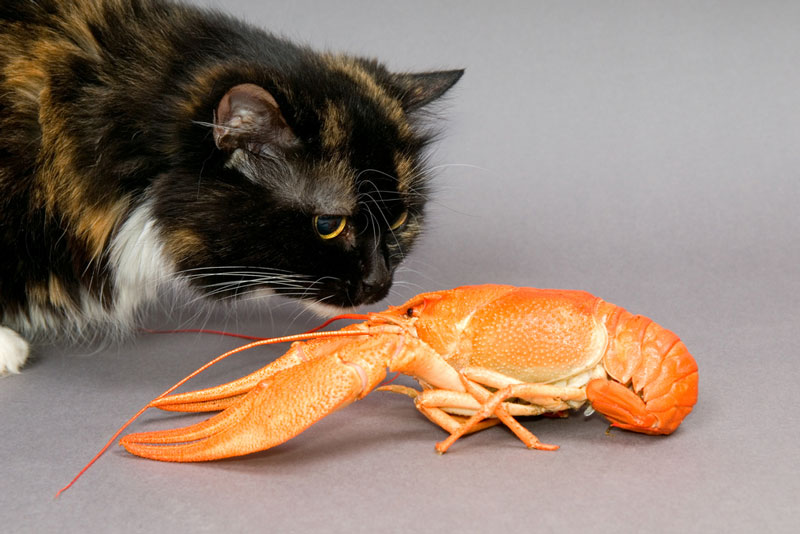
Can cats eat lobster? This is a question that many curious cat owners ask, especially when they are enjoying a delicious seafood feast. The answer is yes, cats can eat lobster, but with some important considerations. Just like with any new food, it is vital to introduce it carefully into your feline friend’s diet. Lobster is not toxic to cats, but that doesn’t mean it should become a regular part of their meals.
Our furry companions can explore a variety of flavors in their diets, including some seafood like fish, shrimp, and yes, even lobster. But we must remember that moderation is key. The occasional tiny piece of lobster may surprise and delight our kitties, but it should only be served on special occasions. So, before we toss some buttery lobster pieces to our cats, let’s explore what else to keep in mind!
Stick around, and let’s dive deeper into the world of lobsters and cats. In this article, we will uncover the benefits and risks associated with feeding your cat lobster, how much you can give them, and also some healthy substitutes to consider. We’re all about keeping our feline friends happy and healthy, so let’s get started!
You might also be interested in: Can Cats Eat Shrimp?
Can Cats Eat Lobster?
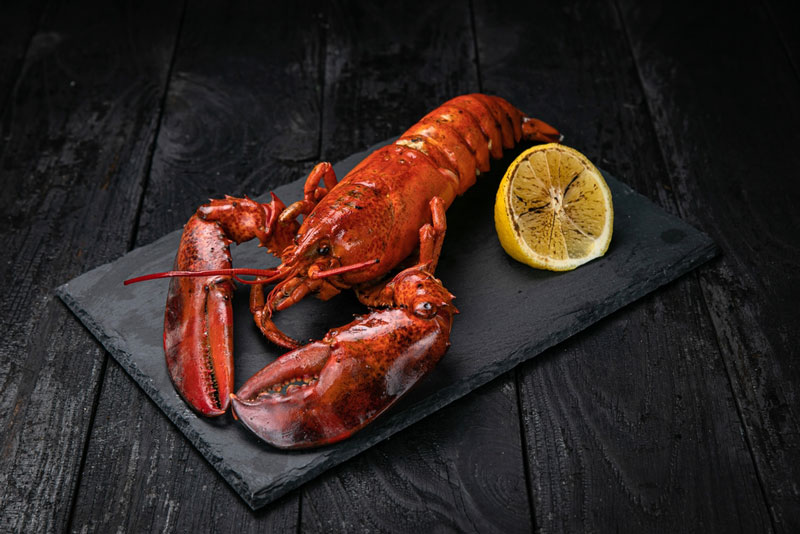
Cats are natural carnivores, which means they thrive on a diet rich in meat. Lobster, being a type of shellfish, does contain protein which is beneficial for our furry friends. It’s nice to think of treating our cats to a taste of the sea, but there are other factors to keep in mind.
When considering lobster for our cats, we should first ensure that it is fully cooked. Raw lobster can harbor harmful bacteria, and we certainly don’t want to make our cats sick! Additionally, always remove the shell and any inedible parts as they can pose a choking hazard or cause digestive issues. Just thinking about our cats trying to tackle a lobster shell is enough to make anyone chuckle, but for their safety, we need to stick to the safe parts.
How Much Lobster Can Cats Eat?
Now that we know cats can eat lobster, let’s talk about how much is appropriate. The key is moderation! A small amount of lobster meat, about a teaspoon or less, is a good starting point. It’s important to remember that our feline friends aren’t likely to devour a full lobster like we might! In fact, they usually just need a little taste.
This tiny portion allows your kitty to enjoy the flavor without overwhelming their delicate stomach. If you’re introducing lobster for the first time, watch for any signs of digestive upset. Our cats can sometimes be sensitive to new foods, and we want to avoid any unnecessary tummy troubles. If they start acting strangely or skip their meal, it might be time to reconsider the lobster idea!
So, you tried it, and your cat licked their paws with glee. But let’s not forget about the leftovers or the lobsters lurking in the kitchen. When our humans enjoy seafood, sometimes we think: “Hey, how about some leftovers for my cat?” However, remember that indulgence is best saved for special occasions. Too much lobster could lead to digestive discomfort or an upset stomach. Better safe than sorry!
In short, lobsters should appear sparingly in your cat’s diet. Treat them like a special reward rather than a staple. After all, we can find plenty of other healthy options to keep our adorable furballs happy and healthy!
Benefits Of Lobster To Cats
1. Source of Protein: Lobster is a great source of protein. Our growing and active cats just can’t get enough of that energy! Protein helps build strong muscles, and who wouldn’t want to watch our kitties leap around like they own the house?
2. Antioxidants: It also contains antioxidants, which are fantastic for keeping our cats healthy. Antioxidants can help combat free radicals in the body, reducing the risks of illness and supporting overall health. We want every advantage for our kitties, right?
3. Low-calorie Treat: If prepared simply without any added ingredients like butter or seasoning, lobster can be a low-calorie treat. This is perfect for our chubby kitties needing to shed a few pounds or those watching their weight (which is almost all of us!).
4. Omega-3 Fatty Acids: Lobster is rich in omega-3 fatty acids. These fatty acids play a huge role in our cat’s skin and coat health, helping to keep fur shinier and smoother. Who doesn’t want a cat that looks like a supermodel?
5. Adds Variety to Their Diet: Lastly, feeding our cats lobster once in a while adds some variety to their diet. It’s fun to mix things up and present new flavors. This can be even more exciting for picky eaters opting for exciting fishy dishes from time to time!
Dangers Of Feeding Lobster To Cats
Although lobster does have its benefits, we need to be cautious when introducing it into our cat’s diet. Allergies can occur, and some cats might react poorly. It’s common to have food allergies, and it can show signs like itching, rashes, or upset stomachs. If we see signs like these, it’s a sure sign to steer clear of lobster forever.
High cholesterol is another concern. Lobster is rich in cholesterol, and just like with humans, it’s not friendliest thing when consumed excessively. Cats with pre-existing health issues, like those with pancreatitis or heart problems, should skip lobster altogether. Those situations may be trickier, so consulting a vet would help decide what’s best for our fluffy buddies.
The risk of shellfish poisoning cannot be ignored. Certain shellfish may harbor harmful toxins. When offering any seafood, always source it from trusted sources to minimize this risk. It’s not worth the gamble when we cherish our kitties!
Besides, we should never forget about bacteria that come with seafood. Raw lobster is at high risk for pathogens such as salmonella or listeria. Our cats’ immune systems are more fragile than ours, so these bacteria could cause severe pain or illness. Always ensure that whatever food we give our cats is cooked and safe.
Last but not least, worry about choking hazards! The lobster shells and any bits that could get stuck in our little felines can be scary! Preparing lobster properly with only soft, edible parts will save us a lot of trouble.
Substitute Of Lobster For Cats
1. Cooked Fish: If we want to treat our furry friends, consider trying cooked fish like salmon, which is at the top of every cat’s wish list!
2. Shrimp: This is another fantastic seafood option that many kitties enjoy. They add variety and are generally safe for your pets!
3. Cooked Chicken: This is an ideal protein alternative. Most cats go wild for it! You can enjoy giving them chicken without much worry. Just skip the sauces!
4. Commercial Cat Treats: Some people prefer commercial cat treats made from real fish or seafood. There are many options available—easy to find and portioned perfectly so we can spoil our fur kids without worry!
5. Meats: Lastly, be adventurous! If your cat seems receptive to different flavors, experimenting with meats like turkey or even lean beef can be fun for you and your furry buddy! Just ensure the treats are healthy and well-prepared!
Can Cats Eat Lobster? Frequently Asked Questions
What Should I Do If My Cat Has Eaten A Lot Of Lobster?
If your cat squeezed in several pieces of lobster, it’s best to contact a vet. They can assess their needs and determine if it poses a health risk.
Can Cats Eat Lobster Shells?
No, lobster shells are sharp and pose a choking hazard. Always prepare lobster meat properly before offering it to your cat.
Can Kittens Eat Lobster?
It’s not recommended to offer lobster to kittens. Their immature digestive systems may struggle with seafood. Wait until they are older and can handle richer foods.
Is Seafood Bad For Cats?
Not at all! Many cats enjoy different seafood options, but it’s essential to introduce it carefully and provide proper portions.
How Often Can I Give My Cat Lobster?
It’s best as an occasional treat. Stick to a few small bites now and then and maintain variety throughout their usual diet!
Final Thoughts
Feeding our cats lobster can be a delightful experience, but cautious measures must be taken to ensure it is safe and pleasant. Moderation, preparation, and attention to any signs of allergies are all fundamental parts of offering this seafood delicacy responsibly. We want our felines to enjoy the flavors, and we want to keep them safe!
As we continue exploring the many facets of cat care, it’s helpful to learn more about other food safety topics. If you’re curious about whether cats can eat pumpkin—or want additional advice on feeding your fur babies—click here for more insights. We are all about ensuring our pets get the best food possible while keeping their tummies happy!