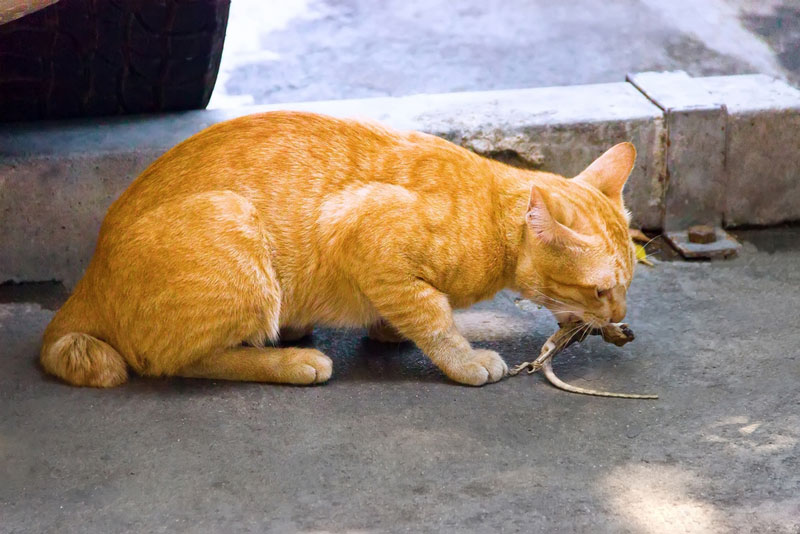
Can cats eat lizards? This is a question that many pet owners may find themselves asking. In short, yes, cats can eat lizards. These agile little reptiles can be a tempting target for our feline friends, especially since they are natural hunters. However, there is a lot more to the story than simply saying that cats can eat them.
Cats are known for their curious nature and playful instincts. Watching them stalk and pounce on small creatures can be both entertaining and perplexing. While lizards may be part of a cat’s natural diet, it is crucial to consider the implications of doing so, such as the health risks that might be involved. Are there toxins found in certain lizards? How might eating lizards affect our furry friends’ health? Keep reading to explore the ins and outs of this slippery topic!
So, if you’re curious about whether cats can sustain themselves on a diet that includes lizards or if there are safer alternatives out there, you’re in the right place! Let’s unravel this fascinating subject together!
You might also be interested in: Can Cats Eat Mice?
Can Cats Eat Lizards?
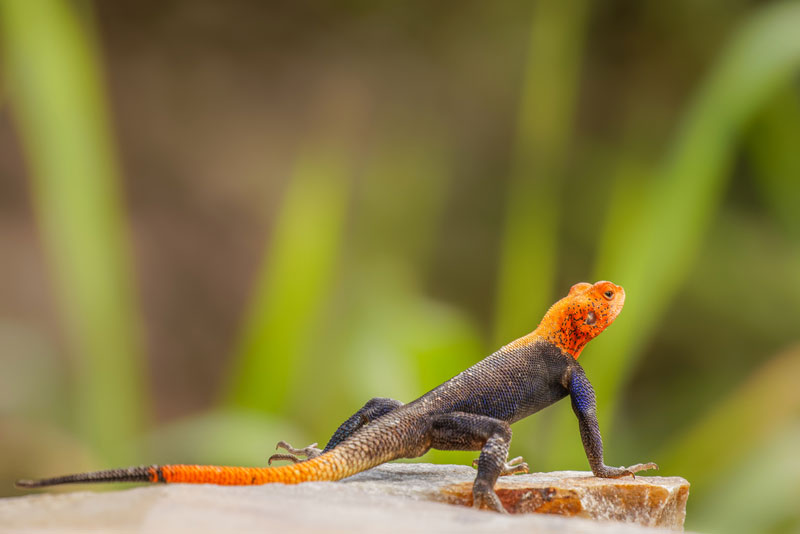
As we explore whether our feline friends can munch on lizards, we must recognize that cats are obligate carnivores. This means they thrive on a meat-based diet. Small animals, including lizards, can indeed be part of their natural prey. In the wild, felines depend on a variety of small creatures for nutrition. This involves everything from birds to lizards and small mammals. So technically, cats can eat lizards, and they often do when they catch them.
However, while it might seem like a delightful snack for our pets, we should examine the implications further. Not all lizards are safe for cats to consume. This raises questions about which species of lizards are better, if any, and the potential health risks that could take place if a kitty dined on an unsuspecting reptile. Can we safely allow our cats to catch and eat lizards? Let us take a closer look at this right now to be better informed.
How Much Lizards Can Cats Eat?
When considering if cats should eat lizards, one must also ponder how much of it is safe to consume. Due to the varied types of lizards that exist, the answer can be a bit complex. Some lizards can be safe for cats, while others may pose significant risks. If a cat were to catch a lizard, moderation is key. We wouldn’t want our pets engaging in an all-you-can-eat buffet of lizards. Like everything else, balance is essential.
In general, a cat’s diet should primarily consist of specially formulated cat food that provides all the necessary nutrients. Treats, including the occasional captured lizard, should only be a small part of their diet. Experts suggest that allowing your cat to munch on a small amount of lizard meat occasionally is fine, but it should not make up a substantial part of their meals. Too much may lead to digestive upset, as the delicate stoms of cats aren’t accustomed to handling such abundant quantities of new proteins.
In conclusion, while lizard snacking isn’t downright harmful in moderation, it should remain an occasional treat. Cats are creatures of habit and can easily become accustomed to hunting down lizards if permitted. Keeping an eye on how many they catch, and not offering access to lizards regularly, is vital for maintaining their health.
Now you may wonder what other benefits or risks could arise from this scenario. Let’s look into the benefits of lizards in a cat’s diet!
Benefits Of Lizards To Cats
1. Natural Hunting Instinct: Allowing cats to hunt lizards provides them with a delightful opportunity to showcase their instincts. Hunting is a part of cat behavior, and it can be enriching for them. Engaging them physically as they chase these critters can result in not only exercise but also mental stimulation, keeping their minds sharp.
2. Added Protein: Lizards are a source of protein, which is vital for a cat’s health. Protein plays a key role in building body tissues and can support muscular strength. However, one must ensure that this protein source is safe for the cat, as not all lizards are created equal.
3. Nutrients: Depending on the species, some lizards may offer additional nutrients, including vitamins and minerals. This might include essential fatty acids and vitamins that are beneficial for a cat’s overall health. As with any whole prey consumption, this could contribute positively to their diet, but always in moderation.
4. Natural Behavior Engagement: Watching our cats exhibit their hunting prowess can be delightful. Engaging in such behaviors connects us to their wild ancestors, offering a bonding experience. A cat pouncing on a lizard brings a sense of the natural world into our homes.
5. Environmental Control: In certain regions, lizards can help control insect populations. Having a cat that enjoys hunting lizards may assist in keeping insect levels down around home. This natural pest control method can be an added benefit for those who live in areas where lizards and cats coexist.
Dangers Of Feeding Lizards To Cats
While there are benefits to cats consuming lizards, we must also closely examine the potential risks that come along with such snacks. Understanding these risks can help us as diligent pet owners to make informed decisions for our furry friends.
One of the primary concerns regarding cats eating lizards involves toxicity. Some species of lizards are known to carry toxins that can be harmful to cats. For example, the Gila monster and the beaded lizard secrete poisonous saliva that could lead to severe health issues. If your cat happens to catch one of these lizards, it could face life-threatening situations.
Another risk involves parasites. Lizards can be carriers of various parasites, and these can be transmitted to cats if consumed. Intestinal parasites can lead to digestive issues that might require veterinary treatment. Signs of such infections might include vomiting, diarrhea, or a change in appetite. If your feline friend experiences any symptoms like these after indulging in lizard lunch, it might call for a trip to the vet.
In addition to potential parasites, letting your cat eat lizards can cause gastrointestinal upsets. Cats aren’t as used to hunting large creatures or a varied diet. If they consume too much at once, it may lead to an upset stomach, vomiting, or diarrhea. This is where moderation comes back into play again!
Another risk is the possibility of injury. Cats are expert hunters, but sometimes lunging at their prey could lead to accidents or scratches. In addition, lizards can bite back! A feisty little critter may give your cat a nasty nip, leading to further injury; which can become infected if not adequately addressed.
All these reasons illustrate that, while lizards can be a suitable component of a cat’s diet, much caution and supervision are necessary. It’s essential that we, as guardians of our kitties, remain attentive to what they eat and what they catch!
Substitute Of Lizards For Cats
1. Commercial Cat Food: The primary substitute for lizards in your cat’s diet would be high-quality commercial cat food. These diets are designed to meet the nutritional requirements of your pet, offering the right mix of proteins, fats, and vitamins they need to thrive.
2. Cooked Meats: If you want to give your furry friend a taste of some meat, consider providing cooked chicken, turkey, or fish. This can give them a flavor similar to hunting while ensuring they receive a safe and healthy option synonymous with their health needs. Ensure it is devoid of any fatty or seasoned components that may be harmful to your pets.
3. Cat Treats: There are also commercially available cat treats that can invoke their hunting instincts. Look for treats that mimic the proteins found in lizards to keep it exciting and beneficial. They are safer and might even capture your kitty’s attention just as much!
4. Raw Diet: Some people are opting for a raw diet for their cats, mimicking what they would catch in the wild. This should be approached with caution as it requires knowledge to ensure proper nutrition while avoiding contamination or harmful bacteria.
5. Freeze-Dried Insects: Treats made from freeze-dried insects, like crickets or mealworms, can offer your cat a delightful crunch while incorporating a level of excitement to their surroundings. These options provide the right nutrients without exposing your cat to the health risks associated with catching lizards.
Can Cats Eat Lizards? Frequently Asked Questions
What Happens If My Cat Eats A Lizard?
If your cat eats a lizard, watch carefully for symptoms of illness like vomiting or diarrhea. If your cat seems fine, it might just have enjoyed a sneaky snack!
Are All Lizards Safe For My Cat To Eat?
No! Some lizards are toxic to cats and can cause serious harm. Always research which lizards might be safe, or best limit access to them altogether.
Can I Train My Cat Not To Hunt Lizards?
While cats are natural hunters, you can redirect their focus towards toys and treats. Positive reinforcement can reinforce good behaviors while keeping them safe.
How Do I Prevent My Cat From Eating Lizards?
Supervision is key! Keeping your cat indoors, or watch them when they go outside, can help prevent lizard encounters. Distraction with toys may also help.
Can My Cat Get Sick From Eating A Lizard?
Yes, depending on the type of lizard and its health, there are risks involved. Always monitor your cat for unusual symptoms after an animal snack!
Final Thoughts
To wrap up our discussion about whether cats can eat lizards, we realize that while it may be a natural behavior, there are many aspects to consider. With the potential benefits of enriching their environment and fulfilling hunting instincts to the dangers posed by toxicity and parasites, we must tread cautiously.
Moderation, safety, and constant vigilance can help us keep our cats enjoying the wonders of their instincts while steering clear of potential harm. Our furry friends deserve the best care, and as responsible pet owners, it’s our job to ensure their diets are nutritious and safe!
Feeling curious about other pet-related topics? Do check out our insights on pet health and wellness, or learn about what cats can tolerate that might surprise you! We’ve got plenty of information available to make your pet’s life a happier one!