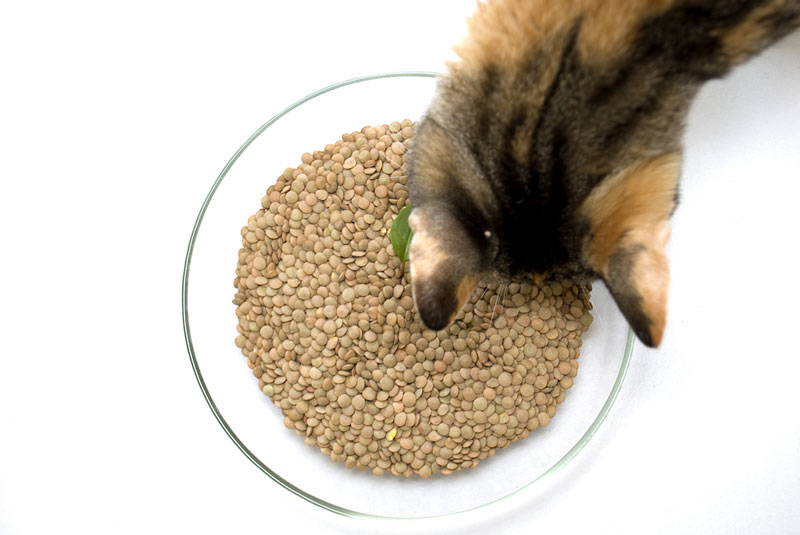
Can cats eat lentils? This question floats around often among pet owners, especially those looking to serve up a healthy and varied diet for their furry friends. The short answer is yes, cats can eat lentils, but we need to be careful about how we incorporate them into their diet. While lentils are packed with nutrients and can be a healthy addition to human meals, our feline pals have specific dietary needs that we must keep in mind. Let’s explore the ins and outs of this topic, making sure our cats get what they need to thrive.
Cats are obligate carnivores, meaning their bodies are designed to thrive on a diet primarily consisting of meat. This raises the question: What role do lentils play in their nutrition? Lentils can offer some beneficial qualities, but they should not become a staple part of your cat’s diet. They may add some variety and offer health benefits if fed appropriately. In this article, we will dive deep into the benefits, risks, and everything in between regarding cats and lentils.
We encourage you to read on, as we will provide you with helpful insights into how to include lentils in your cat’s diet safely and discuss alternatives that might be better suited for our furry companions. Understanding what our cats need and how to keep them healthy is vital for any pet owner. So, let’s explore this fascinating topic together!
You might also be interested in: Can Cats Eat Cheerios?
Can Cats Eat Lentils?
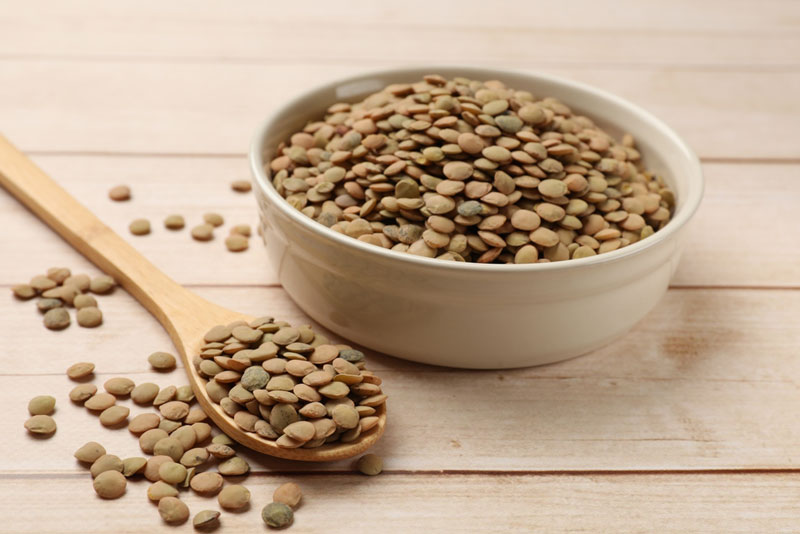
Absolutely! Lentils can be an interesting treat for your cat. They are packed with protein, fiber, and other nutrients that can provide health benefits. However, we should keep in mind that cats are obligate carnivores. This means they primarily need meat in their diet to stay healthy. Lentils should only complement their meals and not replace their essential meat sources. Some owners have successfully introduced small quantities of lentils to their cats’ diets without any issues, but moderation is key.
If you decide to offer lentils, it’s crucial to prepare them properly. Always cook the lentils thoroughly and avoid giving them raw. Raw or undercooked lentils can lead to digestive issues because cats’ stomachs are not equipped to handle the same foods we can. Cooking lentils softens the texture and makes it easier for your feline buddy to digest. Start by introducing tiny portions and observe how your cat reacts. If they enjoy the taste and seem to digest them well, you might consider adding lentils to their occasional meal!
How Much Lentils Can Cats Eat?
When it comes to sharing lentils with our feline companions, moderation is vital. We should think of lentils as a treat rather than a meal. A small spoonful mixed with their regular food a few times a week can be adequate. This tiny portion allows our cats to enjoy the nutritional benefits of lentils without overwhelming their digestive systems. Cats’ nutritional needs differ from our own; what we might consider healthy might not be ideal for them.
It’s also essential to observe your cat’s body language when introducing lentils. If they devour the lentils and seem to enjoy them, we’re on the right track! On the other hand, if they turn their nose up or show signs of discomfort like vomiting or diarrhea, it’s wise to avoid them in the future. The goal is to keep our furry friends happy and healthy, after all!
Remember, we are not here to replace our cats’ meat-based diet. Instead, think of lentils as a supplement to add excitement to their meals. Cats have a very specific set of dietary needs that primarily involve animal proteins, so let’s keep lentils as just an occasional sidekick in their food adventures.
Always consult with our veterinarian before significantly altering our cat’s diet. Every feline is unique with individual needs and sensitivities. The vet can give us personalized advice on how to introduce new foods like lentils into our cat’s diet.
Benefits Of Lentils To Cats
1. Nutritional Value: Lentils are full of essential nutrients. They contain protein, fiber, and vitamins that can mildly boost our cat’s health. The protein found in lentils can help support muscle growth and maintenance, which is crucial for a cat’s well-being. While not as complete as animal protein, lentils provide a mild protein source when served in moderation.
2. Fiber Content: We often worry about our cats not getting enough fiber. Lentils are a good source of dietary fiber, which aids in digestion. A bit of fiber in their diet can help keep our cat’s digestive system running smoothly, potentially reducing issues like hairballs or constipation.
3. Rich in Antioxidants: Lentils contain antioxidants, which can help our immune system. Antioxidants are important for fighting those pesky free radicals that can harm cells in our bodies. A healthy immune system means our cats can fight off diseases more efficiently.
4. Versatile Treat: Lentils can easily be mixed into other cat-safe foods. This versatility allows us to experiment with different textures and flavors while ensuring our cats get the nutritional boost they might need from time to time. Mixing lentils into canned food could encourage our picky eaters to try something new!
5. Nutrient Balance: Including lentils occasionally adds a variety of nutrients in a different form to our cat’s diet. A varied diet not only keeps our cats excited about their meals but also enhances their overall wellbeing. Just like we enjoy variety in our meals, so do our cats!
Dangers Of Feeding Lentils To Cats
While we’ve seen some benefits of lentils, we must also be cautious. Lentils come with potential risks that should not be ignored. Too much of a good thing can quickly turn bad, even in our adorable furry friends. Let’s take a closer look at the risks associated with feeding lentils to our cats.
First off, digestion! Cats lack the necessary enzymes to break down plant-based foods efficiently. Although cooking lentils makes them easier to digest, even cooked lentils might still pose a challenge for some cats. A sudden introduction of lentils into a cat’s diet can lead to gastrointestinal upset like bloating, gas, or diarrhea. Keep our eyes peeled for any signs that our cats are not adjusting well to adding lentils.
Another point to consider is allergies. Some cats may develop allergies or intolerances to lentils. Not all cats will have this reaction, but we need to be careful, just like when we introduce any new food. Always start with a small amount and monitor closely for any adverse reactions.
Lastly, let’s remember that lentils should not replace the primary source of nutrition for our cats. Cats need high levels of protein from meat sources, and while lentils can be a tasty sidekick, they can’t provide the exhaustive list of nutrients that meat offers. Using lentils as a bulk filler in place of quality protein could lead to nutrient deficiencies that affect our cats’ health long-term. So, let’s keep their meals focused on meat while giving lentils a minor role.
Substitute Of Lentils For Cats
1. Cooked Chicken: If we’re looking for an excellent alternative to lentils that will undoubtedly satisfy our cats, cooked chicken is the way to go. Packed with protein and highly digestible, chicken is always a feline favorite!
2. Salmon: Fish is another fantastic option! Cats love the taste, and salmon is loaded with omega-3 fatty acids that promote healthy skin and coats. Just ensure it’s cooked adequately and deboned before serving.
3. Pumpkin: If we want to keep fiber in their diet without using lentils, pureed pumpkin is a great choice. It’s high in fiber and can help with digestion, plus cats usually find it quite tasty!
4. Green Peas: These little gems are another source of plant-based protein. Cats can occasionally enjoy green peas since they are similarly lower in calories and full of fiber, promoting a healthy digestive system.
5. Carrots: Mashed or cooked carrots can be a sweet treat for our fur babies. They’re nutritious and can add a bit of color to their meals. Plus, many cats enjoy the crunch!
can cats eat lentils? Frequently Asked Questions
Are Lentils Good For Cats?
Yes, lentils can be good for cats in moderation. They provide some nutritional benefits, but they’re not a substitute for meat.
Can Cats Eat Raw Lentils?
No, raw lentils should never be fed to cats. Raw lentils can be hard for them to digest, leading to gastrointestinal upsets.
How Should Lentils Be Prepared For Cats?
Lentils should always be cooked thoroughly before being offered to cats. This softens them and makes them easier to digest.
What If My Cat Doesn’t Like Lentils?
If your cat refuses lentils, don’t worry! Try mixing them in with something they love, or stick to other options like cooked meat or vegetables.
Can Male Cats Eat Lentils?
Yes, male cats can eat lentils just like female cats, but remember that they should be offered in moderation as an occasional treat.
Final Thoughts
In conclusion, while cats can eat lentils, we must approach this subject with the knowledge of their unique dietary needs. Lentils, when cooked and given in moderation, can provide added nutritional value and variety to our feline’s meals. However, let’s not forget that meat must remain the primary source of nutrition. Seeing our pets enjoy their meals is one of the greatest joys of being a pet owner, and a little creativity can go a long way!
If you’re interested in more pet-related articles, feel free to check out topics like general pet care tips or learn about what happens if cats eat chestnuts. Understanding our pets is crucial for their health and happiness. So, let’s continue to explore the world of pet care together!