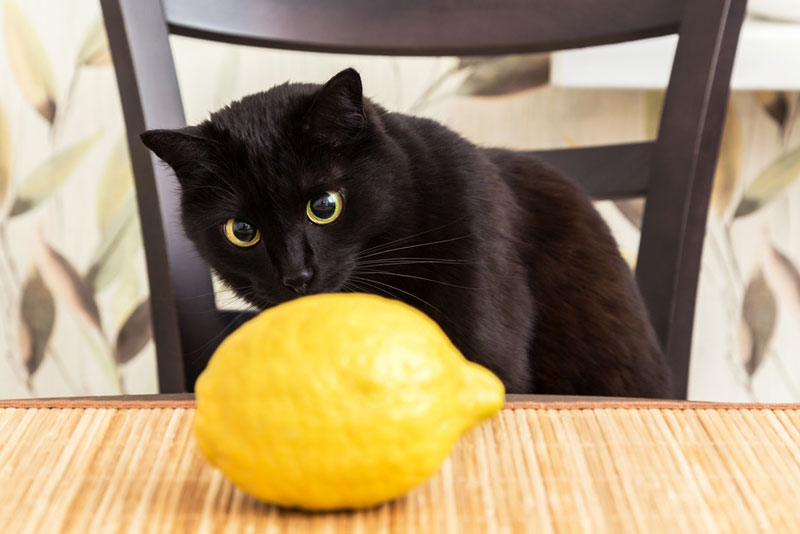
Are you wondering if your fluffy feline friend can eat lemons? Well, to cut to the chase, cats should steer clear of lemons. Lemons contain compounds that can be quite harmful to our furry companions. But let’s not just stop at that one juicy tidbit! There is so much more to this topic that we need to explore together. Cats have a very different diet and digestive system compared to humans, and that means certain foods that we enjoy may not be safe for them to consume.
Imagine serving your cat a squeeze of lemon instead of their usual kibble! You might find them giving you a puzzled look as if to say, “What on Earth is this?” But hold on! Before we throw lemons to the catnip, let’s take a closer look at why these bright yellow fruits should remain off the menu for our beloved cats. Stay with us as we unravel the truth about cats and lemons in the sections below.
You might also be interested in: Can Cats Eat Oranges?
Can Cats Eat Lemons?

Understanding whether cats can eat lemons requires us to look at several factors, including their biological makeup and dietary needs. Cats are obligate carnivores, which means they require a diet composed mainly of meat. While humans enjoy a variety of fruits, our feline companions are not equipped to handle the same foods we can delight in. Lemons, in particular, contain citric acid, essential oils, and psoralens — ingredients that can be toxic to cats.
The primary danger of lemons to cats lies in the citric acid. Cats’ digestive systems lack the enzymes needed to break down citric acid effectively, which can lead to gastrointestinal upset. Symptoms may include drooling, vomiting, diarrhea, and even lethargy if they ingest an especially large amount. If you notice any of these signs after your cat has managed to sneak a taste of lemon, it is important to contact your veterinarian right away.
Furthermore, while some might think the strong flavor of lemons would keep their cats from consuming them in the first place, we know that curious kitties are always on the lookout for new experiences, even if they involve sour fruit. Cats tend to investigate food with their highly sensitive noses and may end up tasting something that could harm them. It’s our responsibility as pet owners to keep lemons stored securely and out of reach, ensuring they don’t fall into those little paws.
When it comes to our beloved pets, it’s critical to educate ourselves about what they can safely consume. Despite being small and adorable, cats have unique needs that sometimes get overlooked in our curious exploration of the pet-food landscape. Moving forward, we’ll break down the question, “Can cats eat lemons?” even further and delve into details about how much is too much, benefits (if any), risks, substitutes, and finally, frequently asked questions. With so much interesting information ahead, you’ll be well-prepared to keep your feline friends safe and happy.
How Much Lemons Can Cats Eat?
When it comes to food, amounts and portions can have a significant impact on whether something may be safe or not for our furry family members. With lemons, the answer is quite straightforward – even a tiny amount is unsafe for cats. In fact, there isn’t a recommended amount of lemons that one should give to cats because they shouldn’t eat them at all.
Though we often enjoy snacking on fruits, our fur babies have their own set of needs. You might see cats showing interest in my lemon-scented cleaning supplies or that zest-filled slice of lemon pie cooling on the counter. While it might be amusing to see them sniff around, it’s crucial to remember that the mere taste or smell can cause discomfort. It’s our mission to always protect our pets from harmful foods.
To illustrate this point further, let’s think about portion sizes from a cat’s perspective. Imagine a tiny clawed critter, helplessly trying to gnaw away at a lemon wedge. It would be hilarious to watch, but what lurks beneath that seemingly innocuous image is the risk of serious health issues. Instead of risking accidental ingestion, let’s say ‘no’ to lemons altogether.
Some people may ask, “What if my cat accidentally eats a little bit of lemon?” It often depends on the amount ingested. If your cat manages to sneak a small taste, keep a close watch on their behavior. If they seem fine, that’s a relief! But if any unusual symptoms appear, it could signal the need for immediate attention from a vet to ensure their safety.
As loving pet parents, it’s our responsibility to play it safe when it comes to our kitties’ diets. Even if our feline friends show interest in what we are eating, we should gently redirect their focus back to their own scrumptious meals. Choosing pet-safe alternatives will always bring more joy without the added risks of sour fruits. An enriching and balanced diet tailored for our beloved cats is one of the best ways to show our love and care.
Now that we have addressed the question of how much lemons are safe for our feline companions, let’s take a closer look at whether there are any benefits associated with lemons for cats. Spoiler alert: the answer isn’t what you might expect!
Benefits Of Lemons To Cats
1. To set the record straight, there are no direct benefits to providing lemons for our beloved cats. While lemons are packed with nutrients and health benefits for humans, the same does not hold true for our furry friends. Cats thrive on a diet that’s rich in protein, with little to no carbohydrates, and the addition of a citrus fruit would not provide any nutritional advantages. Lemons might be great for our immune systems, but for our cats, they just don’t serve the same purpose.
2. On a further note, incorporating various foods into our pet care recipes can be beneficial. For example, some pet nutritionists suggest adding certain fruits to cat food under cautious supervision. However, lemons should never be included in these recipes—no matter how creative we feel. For cat owners hoping to enhance their pets’ meals, a better strategy would be to look into safe alternatives. Chicken broth, turkey, and cooked carrots can help create a item that both cats and humans can appreciate together!
3. Another curious thought might be the idea that lemons can help deter cats from causing mischief at home. The tart smell of citrus often sends cats scurrying in the opposite direction. While lemons themselves aren’t the best option as a deterrent, you can use citrus-scented sprays or naturally derived citrus oils to keep mischievous cats away from certain spaces. Just remember to keep them out of reach, as they can be harmful if ingested!
4. If you’re looking to infuse some zest into your cat’s life, there are alternative ways to stimulate their playfulness without relying on lemons. Many cats enjoy games that challenge their instincts, such as interactive toys or puzzle feeders. These activities promote mental stimulation and keep our furry friends entertained.
5. Last but certainly not least, serving lemons could be a huge blunder, given that their taste is overpoweringly acidic. Cats have evolved to have preferences for foods with a more savory profile, and anything citrusy could be a daunting experience in their adorable taste-testing adventures. So in summary, there are zero benefits to adding lemons to our cats’ diets. Instead, it’s best to focus our energy on finding pet-friendly substitutions that can make mealtimes enjoyable and nourishing!
Dangers Of Feeding Lemons To Cats
Understanding the risks and dangers associated with cats eating lemons is paramount to being responsible pet parents. As we mentioned earlier, the main culprit in lemons is the citric acid—not to be confused with that fantastically refreshing lemonade we all love! For our kitties, citric acid can wreak havoc on their sensitive digestive systems.
Ingesting too much citric acid can lead to gastrointestinal upset, and that’s just the beginning. Early signs that your cat might be reacting poorly after sneaking a taste of lemon can include drooling, vomiting, diarrhea, and lethargy. We want our cats to be full of energy, so a lethargic kitty is a cause for concern. As soon as we notice any of these symptoms, it’s crucial to contact our veterinarian. They’ll be able to guide us through determining the best course of action to get our feline friends back on track.
Additionally, lemons contain essential oils like limonene and linalool, both of which are toxic to cats. Limonene functions as a natural insect repellent, which might sound enticing (after all, who wants ants invading our homes?), but it should never be used around cats. A few drops of lemon essential oil can result in more than just a bad day for our furry pals; serious health issues can arise if they manage to ingest these oils directly.
Let’s not forget about the possibility of lemon peels causing obstructions as well. Cats are curious creatures, and they often explore their world by chewing and swallowing various objects. If a cat decides to munch on a lemon peel instead of retreating from its sour aroma, they could be at risk for choking or suffering from another unpleasant situation like a blockage in their intestines. Remember, cats are quick to jump into things they shouldn’t, so staying vigilant is key!
In summary, the risk factors associated with feeding lemons to cats far outweigh any potential benefits. Ensuring our cats stay away from this citrus treat is a top priority for all pet owners. The best way to protect our furry friends from the dangers of lemons is by keeping them out of reach and providing them with safe, nutritious alternatives instead. Our ultimate goal is to keep them happy, healthy, and free of the sour surprises that lemons may bring!
Substitute Of Lemons For Cats
1. Meat: In light of the lemon situation, let’s talk about some excellent substitutes for our furry friends. When exploring what safe foods might be available, we often turn to their natural source—meat! The best thing we can feed our cats includes high-quality proteins like chicken, turkey, and fish. These protein sources are not only tasty but are also essential in helping our feline friends maintain their energy levels and overall health. Providing them with meals that contain the right amount of protein ensures they enjoy their lunches, dinners, and playful bursts of energy!
2. Safe Vegetables: As cats are quirky creatures, we know that many of them appreciate variety. While meat will always be their go-to, some cats enjoy the occasional veggie treat. Safe vegetables, like carrots and peas, can be introduced in small amounts. Cook them lightly to soften the texture and create a delightful side dish to complement their entrees. Just make sure the portions are small since cats are obligate carnivores and primarily need protein in their diets.
3. Commercial Cat Treats: Let’s not forget about commercial cat treats! There’s a plethora of options available, and many brands focus on creating treats fortified with vitamins and minerals that cater to our furry companions’ specific needs. Some even come in flavors that simulate seafood, poultry, and even beef! These treats can serve as a great way to emotionally bond with our pets while still refreshing their palates without risking their health.
4. Commercial Cat Food: As we venture further into healthy options for our cats, we can consider commercial cat food that includes added nutrients. Some brands offer diets enriched with omega fatty acids designed to promote healthy skin and shiny coats. Keeping them well-groomed is essential for many reasons, including reducing hairballs and promoting self-esteem for our cats!
5. Homemade Treats: Lastly, if you’re feeling adventurous in the kitchen, there are plenty of creative recipes for making homemade treats specifically for cats. Incorporating ingredients like chicken broth and pureed vegetables, being mindful of any potential hazards, can result in creating little morsels that cats find absolutely irresistible. The care and effort put into meal prep will allow us to connect with our feline friends on another level!
Can Cats Eat Lemons? Frequently Asked Questions
What Fruits Are Safe For Cats To Eat?
While it’s clear lemons are off-limits, some fruits are safe for cats! Small amounts of blueberries, watermelon (without seeds), and pumpkin can be a delightful treat for our felines!
What Should I Do If My Cat Eats Lemon?
If your cat gets a taste of lemon, keep a close eye on them for any signs of distress such as vomiting or diarrhea. It’s always best to consult your veterinarian if you have any concerns.
Can Lemons Be Used As A Natural Pest Repellent Around Cats?
While lemons might deter pests for us humans, they are toxic for our cats. It’s best to use other alternatives or natural repellents without harmful effects on our furry friends.
Can I Use Lemon-scented Cleaners Around My Cat?
Using lemon-scented cleaners isn’t the best idea, as essential oils can be toxic to cats. Opt for pet-safe or unscented cleaning products to ensure your cat’s safety.
What About Lemon Juice? Is It Harmful For Cats As Well?
Yes, lemon juice is also harmful for cats! Its citric acid content puts felines at risk for similar side effects as whole lemons.
Final Thoughts
As we wrap up our exploration of whether cats can eat lemons, it’s clear that this bright, zesty fruit doesn’t belong in our furry friends’ diets. While we enjoy the refreshing taste of lemons, our sweet cats need to stick with their nutrient-rich, protein-packed meals. Let’s continue to love and nurture our feline companions by providing them with safe and delicious alternatives!
Whether it’s through tasty protein sources, healthy treats, or creative homemade snacks, we’ve got plenty of nutritious options to keep our cats thriving. Keeping them safe from lemons means a happier household, and that’s a win for everyone! Remember how much joy our pets bring into our lives, and let’s commit to keeping them healthy and happy by respecting their dietary needs. If you’re interested in exploring more about what’s safe for your pets to eat, check out topics like can cats eat lime! Together, we can create the best lives possible for our beloved feline companions.
For more interesting discussions and tips on pet care, check out our blog at Huston Veterinary Blog. Let’s continue to learn together to stay informed and prepared for our furry friends!