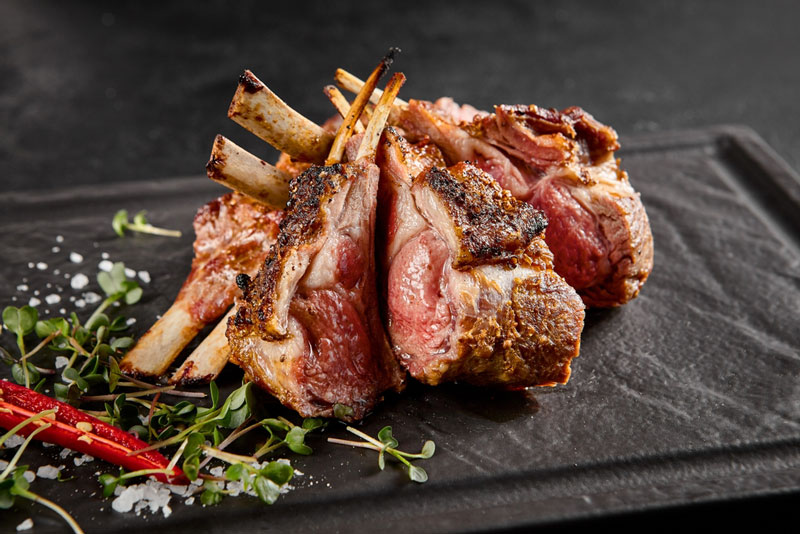
Have you ever wondered, can cats eat lamb? The answer is yes, cats can eat lamb, but there are some important things we need to consider. Lamb can be a tasty treat for our furry friends, so why not indulge them once in a while? Just make sure to keep it in moderation, as with all human food given to pets.
Not all cats respond the same way to lamb, and some might have allergies or sensitivities to this meat. It is crucial to introduce any new food gradually into their diet to avoid upsetting their little tummies. Offering a small piece of cooked lamb to your feline can be a delightful surprise, but let’s chat more about how it can benefit our cats and potential risks as well!
Keep reading to learn everything you need to know about feeding lamb to cats, including how much you can give them and the benefits or risks involved. Together, we will navigate this culinary adventure for our beloved pets!
You might also be interested in: Can Cats Eat Pork Chops?
Can Cats Eat Lamb?

Cats are obligate carnivores, which means their diet is mainly based on meat. Lamb is an excellent source of protein, and it contains essential amino acids that support your cat’s overall health. However, not all lamb is created equal. It is vital to choose lamb that is unseasoned and cooked properly to ensure it is safe for your feline. Raw meat can harbor harmful bacteria that can lead to food poisoning in cats, just like it can in humans.
When preparing lamb for your cat, we should keep it simple. Boiling or roasting lamb without any spices, sauces, or oils can provide our kitties with a tasty treat. Just make sure to cut it into small, manageable pieces that they can easily chew and swallow. This way, we are not only offering our furry friends a new taste experience but also taking care of their safety.
How Much Lamb Can Cats Eat?
When we think about how much lamb we can safely serve our cats, moderation is key. A good rule of thumb is to keep it to no more than 10 percent of their total diet. Cats should primarily consume high-quality cat food specifically formulated to meet their nutritional needs. So, if you’re feeling generous and want to treat your feline friend, you can start by offering them a small piece, around one to two teaspoons of cooked lamb.
Always remember to monitor your cat’s reactions. If they enjoy it and there are no adverse effects, we can gradually introduce lamb into their diet occasionally. However, we should never use it as a replacement for their usual cat food. Our kitties rely on balanced meals to provide them with everything they need to thrive.
Should they experience any digestive issues after indulging, such as vomiting or diarrhea, it’s important to cut back or avoid lamb altogether. Each cat is different, and their preferences or tolerances can vary widely from one to another.
Another vital aspect we should consider is our cats’ weight. Some cats may be less active than others, and rich meats like lamb can add extra calories to their diet. It’s important to factor in their overall health and lifestyle when treating them with tasty meat options. Always consult with your veterinarian if you have any concerns regarding your cat’s diet and proportions.
Benefits Of Lamb To Cats
1. Protein: One of the top benefits of lamb is its high protein content. Protein is essential for our cats because it supports healthy muscle development and maintenance. This is especially crucial for active cats or those that have recently undergone surgery or illness.
2. Vitamins and Minerals: Lamb is packed with essential vitamins and minerals. B vitamins, particularly B12, play a significant role in maintaining healthy nerve function and red blood cells. Additionally, lamb contains zinc and iron, which help keep our kitties’ immune systems strong.
3. High-fat Content: The high-fat content in lamb can also be beneficial for our cats, especially for those who need weight gain. The right amount of healthy fats helps maintain a healthy coat and skin, promoting a luscious appearance that turns heads at the park!
4. Pique Their Interest: Lamb can be a great option for picky eaters. If your kitty turns their nose up at their regular food, a bit of roasted lamb may pique their interest and provide a nutritious addition to their diet. It can also help entice them to eat if they are recovering from illness.
5. Strengthen Bond: Finally, we have the opportunity to strengthen the bond with our feline companions by sharing this delectable protein. Treating them to a little piece of lamb and watching their happy faces can be a delightful experience for both of us.
Dangers Of Feeding Lamb To Cats
While lamb can provide several benefits for our cats, there are also risks we should be aware of. One of the most significant concerns is the potential for allergies. Some cats may develop reactions to lamb, which can lead to gastrointestinal issues or skin irritations. If you notice any unusual behavior, itchiness, or changes in their litter habits after consuming lamb, it’s best to consult with a veterinarian.
Another risk to keep in mind is that lamb can be quite rich in calories and fat compared to other lean meats. If we feed our cats too much lamb, it could lead to obesity or pancreatitis, which is inflammation of the pancreas. It is essential to maintain a balanced diet and avoid offering lamb too often, especially to less active cats.
Lastly, many lamb dishes are marinated or seasoned. Some ingredients common in seasoning, such as onions and garlic, can be toxic to cats. Absolutely refrain from giving your kitty processed or pre-prepared lamb, as we must prioritize their safety above all else!
Keeping an eye on portion sizes and ensuring that the lamb we offer is plain and unseasoned can help mitigate these risks. If your cat shows any adverse reactions to lamb, it is wise to stop feeding it and seek professional advice.
Substitute Of Lamb For Cats
1. Chicken: If you’re looking for an alternative protein source, chicken is a great option. It’s leaner and widely accepted by most cats. We can prepare it similarly by boiling or roasting, cutting it into small pieces for easy eating.
2. Turkey: This is another fantastic choice. It’s rich in nutrients and equally delicious to our feline friends. Plus, turkey tends to be lower in fat than lamb, making it a healthier alternative.
3. Fish: such as salmon or tuna, can also make for a nutritious treat. Fish provides essential omega-3 fatty acids, which promote healthy skin and coat. Remember to cook the fish without any seasoning or oils for optimal safety.
4. Rabbit: This is another protein source that some cats find quite enticing. As a novel protein, it’s less likely to trigger allergies, making it an excellent substitute for those sensitive to other meats.
5. Formulated Meals: Finally, we should consider feeding our felines high-quality cat food made with premium meats. These formulated meals ensure our kitties receive all the essential nutrition they ideally need without risking any health issues associated with human food.
Can Cats Eat Lamb? Frequently Asked Questions
Can Cats Eat Raw Lamb?
Raw lamb is not recommended due to the risk of bacteria like salmonella or E. coli. Cook lamb thoroughly to keep our furry friends healthy!
What Part Of The Lamb Can I Give To My Cat?
Only offer lean cuts of lamb, like the leg or loin, and avoid fatty areas. Trim excess fat before serving.
Is Lamb Good For Kittens?
Kittens have specific dietary needs. It’s best to feed them a commercial kitten formula, and consult a veterinarian before introducing lamb to their diet.
How Often Can I Give My Cat Lamb?
Limit lamb to an occasional treat, about once every couple of weeks, ensuring it does not exceed 10 percent of their total diet.
Can Cats Be Allergic To Lamb?
Yes, some cats may be allergic to lamb. Watch for signs of allergies like itching, vomiting, or diarrhea and consult a vet if they appear.
Final Thoughts
In conclusion, lamb can be a tasty treat for our cats, but it must be offered in moderation and as part of a balanced diet. While there are numerous benefits, such as its protein content and tempting flavor, we must also be cautious of potential risks, like allergies and obesity. So, remember to prepare it simply and refrain from seasoning!
Our furry companions deserve the best, and that includes keeping them healthy while indulging their taste buds. If you enjoyed learning about lamb, why not explore more topics about what Our pets can eat or other fun culinary adventures? Check out these links for more information about chocolate, pineberries, and so much more!