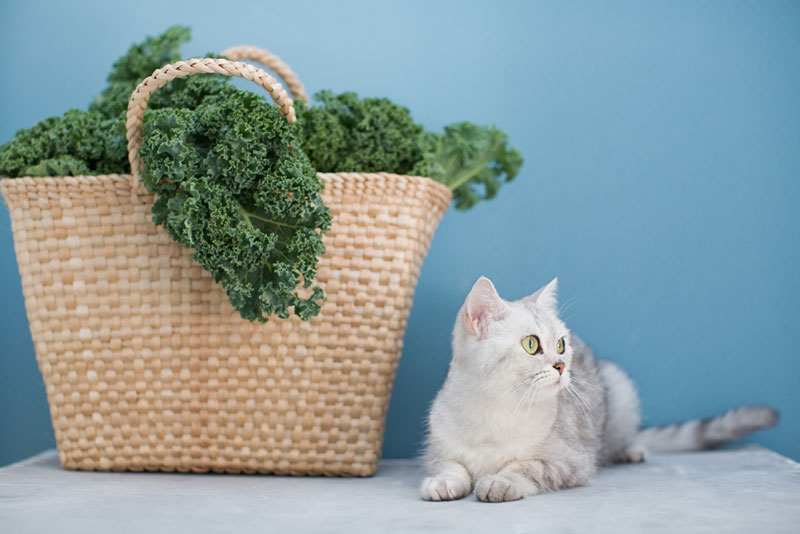
Have you ever wondered if cats can eat kale? Well, the answer is both yes and no. While kale is considered a superfood for humans, it is not necessarily safe or healthy for our feline friends. Cats are obligate carnivores, which means their diet primarily consists of meat. Adding greens like kale to your cat’s diet can lead to some concerns.
To expand on that, cats do not require vegetables in their diet as humans do. Their digestive systems are not equipped to break down plant matter efficiently. Therefore, while tiny amounts may not pose immediate harm, it is important to be cautious and aware of the potential risks. We want our furry companions to be happy and healthy without introducing unnecessary complications into their lives.
If you are curious to learn more about kale and its effects on cats, as well as some healthier alternatives, keep reading! We are here to help you make informed decisions when it comes to what our cats can and cannot eat. So let’s explore together!
You might also be interested in: Can Cats Eat Dates?
Can Cats Eat Kale?
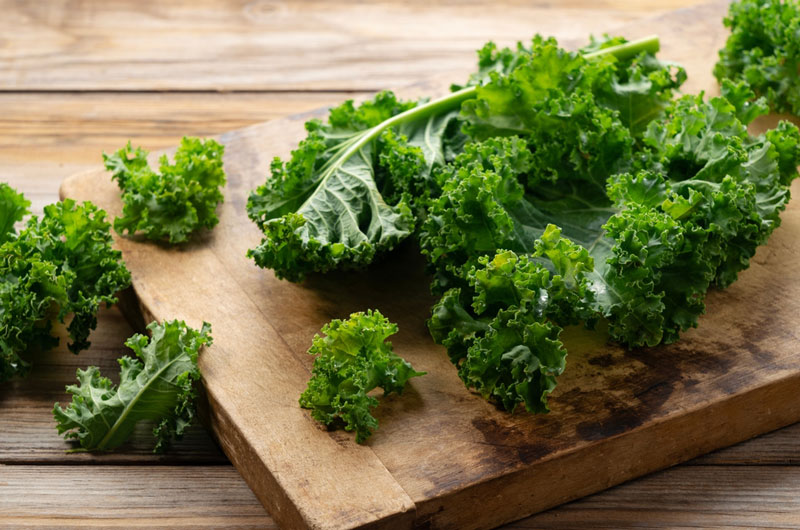
The question of whether cats can eat kale brings with it many nuances. Kale is a leafy green that is commonly included in human diets due to its high nutritional value. It is rich in vitamins A, C, K, and many minerals, which makes it a popular choice among health-conscious individuals. However, cats are very different from humans. They have distinct dietary needs, and their bodies are not designed to process plants like kale.
When we think about a cat’s digestive system, we realize it is specifically designed to process animal protein. Cats have shorter intestines compared to herbivorous animals because they do not need to digest fiber-rich materials like vegetables or grains. Instead, their diet should be centered around meat, which is vital for their health and well-being. If you notice your cat nibbling on a piece of kale, they may just be curious or attempting to investigate this green thing that you have introduced to your kitchen.
While a small bite of kale won’t likely harm them, it is essential to monitor their reactions afterward. Some cats might be more sensitive than others, and they could experience gastrointestinal discomfort, vomiting, or diarrhea after consuming it. Always remember to check with your veterinarian if you are uncertain about any new food item in your cat’s diet. Keeping our fur babies happy should always be our top priority!
How Much Kale Can Cats Eat?
If we want to think of kale as a tiny treat for our cats, there are a few guidelines we should follow. The general rule of thumb is that moderation is key. While kale is not toxic to cats, it is not something that should be a regular part of their diet either. Even though some cats might enjoy the occasional nibble, it is better to restrict the amount to a very small quantity.
In practical terms, this means that if you decide to let your cat try a piece of kale, keep it to a small leaf or even a few tiny flakes. Think of it as a tiny experiment, and make sure to observe any changes in their behavior or health after trying it. Providing a larger amount could confuse their digestive tract, causing unintended consequences. Therefore, we should be extra gentle and reasonable with our kitties.
If you’re curious about how to serve kale, always make sure to wash it thoroughly and remove any tough stems. You can try chopping it finely or steaming it lightly to make it easier for your cat to chew, but just remember that cooking vegetables can change their nutrient profile. While it may seem appealing to us to prep this leafy green for our furry pals, we should focus more on their primary needs. It may be a fun snack, but our cats will thrive best on delicious sources of animal protein!
In the end, offering kale should never replace their rich and protein-packed cat food. We all love to share food with our pets, but let’s ensure that we focus on what really suits their dietary needs.
Benefits Of Kale To Cats
1. A Boost of Vitamins: If you thought kale was packed with nutrients for humans, it turns out some of those benefits can, in very tiny amounts, extend to cats. Kale is full of vitamins A, C, and K, which are important for maintaining good overall health. While cats primarily get their vitamins from meat, having a few leaves of kale can offer a little extra nutritional boost.
2. Antioxidants Galore: Kale is loaded with antioxidants that help to fight free radicals in the body. Antioxidants support the immune system, which is important for our cats, especially as they age. Just like we want to keep our immune systems strong against illnesses, a little bite of kale might help our kitties stay healthier in the long run too—though again, in very small doses.
3. Fiber For A Good Gut: Although cats are not natural herbivores, small bits of fiber from kale may help in promoting a healthy digestive system when consumed sparingly. Your cat may find some comfort from a bit of roughage, especially if they struggle with hairballs or occasional tummy troubles. Still, it should never replace their usual digestive needs.
4. Hydration Helper: Vegetables usually contain water, and kale is no exception! When kitties are curious enough to take a nibble, they may also be benefiting from some extra hydration. Keeping our pets well-hydrated is essential, especially when the weather is hot, or they’re not drinking enough water on their own.
5. A New Taste Experience: Last but not least, offering a bit of kale can occasionally introduce our cats to new textures and flavors. Cats can be picky eaters, making it harder to try out different things. A small piece of kale can serve as a unique snack and introduce a new tasting adventure.
Dangers Of Feeding Kale To Cats
As pet lovers, it is crucial to examine both sides of the coin when it comes to giving our furry friends treats like kale. While there can be some minor benefits, we cannot ignore the potential risks that come along with it. Knowing the dangers can help us make better choices that prioritize our cats’ overall health and safety.
One main concern is the potential for gastrointestinal upset. Cats are naturally inclined towards meaty diets, and introducing unusual plant material might upset their tummies. If we observe signs like vomiting or diarrhea, it’s best to remove kale entirely from their diet and consult veterinary professionals if the problem persists. We don’t want our cute companion’s experiences to involve discomfort just from a harmless green treat.
Kale is also filled with oxalates, which can interfere with calcium absorption and lead to kidney issues over time. While the occasional bite is not worrisome, regularly providing kale could put a strain on your cat’s kidneys, especially if they are predisposed to urinary or kidney health issues. Our priority is always to choose food that helps keep their kidneys healthy. So, we need to remember to understand their specific health and nutritional requirements fully.
Lastly, some cats may develop allergies to foods they’ve never eaten before. Signs of an allergic reaction can include itchiness, swelling, or even respiratory distress. If we decide to let our cats try kale, we must supervise them closely and be aware of any unusual behavior afterward. This helps us encourage a safe tasting experience and minimize any potential hazards involved.
Substitute Of Kale For Cats
1. Cat Grass: If you are looking for an alternative to kale that is safer for cats, consider introducing cat grass, usually made from wheat, barley, oats, or rye. It’s quite a common sight in many households that have feline pets because it’s entirely safe for cats to munch on. Your kitty may also enjoy this extra green treat without the risks associated with kale.
2. Cooked Pumpkin: Our four-legged buddies might enjoy a spoonful of plain, cooked pumpkin. It is packed with fiber and can also aid digestion and relieve hairball issues – all while supplying important nutrients that cats need!
3. Squash: Similar to pumpkin, cooked squash is another safe option for our beloved pets. Squash is high in vitamins and fiber, making it a good replacement for kale without the risks associated with it.
4. Carrots: Providing some finely grated or cooked carrots can be a different treat for your cat. Rich in vitamin A, they offer health benefits without posing any danger. However, ensure that the carrots are small enough for them to chew and digest easily.
5. Green Beans: An occasional mixed vegetable might not hurt! Green beans are low in calories and may help reduce hairballs while being a great source of vitamins. Always check with your vet about the best choices for your furry companion, ensuring their nutrition remains vital.
Can Cats Eat Kale? Frequently Asked Questions
Is Kale Toxic For Cats?
No, kale is not considered toxic for cats. However, it is not a necessary part of their diet due to their carnivorous nature. Offering just a tiny amount occasionally is generally safe, but caution is always recommended regarding your kitty’s health.
How Much Kale Can I Give My Cat?
It’s best to limit the amount you provide to a very small piece, maybe only a leaf or two. Observing how your cat reacts is essential after offering any new foods; keeping track of any changes in behavior or health can help determine what works for your individual pet.
What Greens Are Safe For My Cat?
Some herbs and greens that are generally safe include cat grass, cooked spinach, and peas. Moderation is key, so always check how your particular cat reacts to each new food item.
What Are The Best Snacks For Cats?
The best snacks for cats are treats that are mainly meat-based. Vendors provide various snacks packed with protein, which should be prioritized over any types of vegetables or fruits.
Should I Only Feed My Cat Meat?
While cats are primarily obligate carnivores, a balanced diet with some commercial cat food provides additional vitamins and minerals needed for their health. Always consult a veterinarian for dietary advice suitable for your individual cat.
Final Thoughts
In summary, we’ve learned that while cats can technically munch on kale, it is not a necessary or advisable part of their diet. The risks often outweigh the potential benefits. As fellow pet lovers, we know that the health and happiness of our furry friends is worth considering carefully. There are plenty of nutritious alternatives available that are more suited to our cats’ nutritional needs.
Let’s make informed choices together, keeping our feline companions in mind. If you want to explore more topics about your furry friend, check out our detailed articles like this blog, or perhaps you are curious about cats and apricots? Remember, together we can ensure our furry companions live happy and healthy lives!