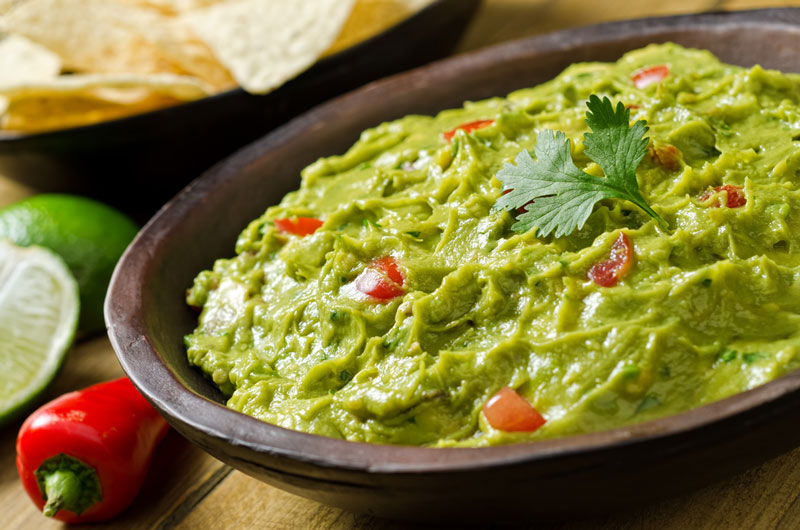
Have you ever wondered if your furry friend can munch on that delicious guacamole you just made? The answer might surprise you! Cats should not eat guacamole. While it may be a tasty and creamy delight for us humans, guacamole contains ingredients that could be harmful to our feline friends. So, let’s take a closer look at the ingredients in guacamole and what they mean for our cats.
Cats are unique creatures with specific dietary needs and restrictions. Unlike us humans, they are obligate carnivores, meaning they thrive on a diet primarily made of meat. Avocado, the main ingredient in guacamole, contains a substance called persin that can be harmful to some pets, especially cats. While the concentration of persin in avocado isn’t extremely high, it is still best to keep this fruit away from our whimsical little companions. So, my feline-loving friends, we encourage you to keep reading as we explore the details about guacamole, its ingredients, the potential risks to our beloved cats, and some alternatives that they can safely enjoy.
As we navigate through this informative article, we’ll also answer some frequently asked questions and provide you with some substitutes that can satisfy your cat’s cravings without the danger of harmful ingredients. So grab your fur babies and let’s unravel the curious case of guacamole and cats!
You might also be interested in: Can Cats Eat Oatmeal?
Can Cats Eat Guacamole?
As mentioned, guacamole isn’t a safe treat for our cats. This dip is primarily made from avocados, onions, garlic, lime juice, and salt. Each of these ingredients carries certain risks that make guacamole unsuitable for your feline friend. Let’s break these down.
Avocados themselves contain persin, which is a fungicidal toxin. While some animals can tolerate persin, it is important to note that cats can be particularly sensitive to it. Ingesting avocado could lead to vomiting, diarrhea, and even more severe health issues in cats. The amount of persin can vary depending on the ripeness and part of the avocado consumed, but as a precaution, it’s best to avoid offering it altogether.
Another harmful ingredient that is commonly found in guacamole is onion. Onions can be toxic to cats and can damage their red blood cells. Garlic is also part of the allium family, which is known to be harmful to cats. Cats that consume garlic can suffer from gastrointestinal upset and even develop more serious issues like anemia over time.
Lime juice and salt, while not deadly, are also detrimental to our cats’ digestive systems. Lime juice can cause stomach upset, while too much salt can lead to sodium ion poisoning, which affects their heart and nervous system. The combination of these ingredients creates a surprisingly risky concoction that we wouldn’t want our cats to consume.
How Much Guacamole Can Cats Eat?
Even if we were to consider a small amount of guacamole for our cats, the risks would still outweigh any potential benefits. But to elaborate a bit further, let’s explore what “how much” would mean in the context of unsafe foods for cats.
Even a small bite of guacamole could be too much, considering the presence of avocado, onion, and garlic. The general rule for feeding cats is that if a food item is potentially harmful, it’s a firm no! And if a cat accidentally gets a lick or two of guacamole, we should watch for any signs of discomfort or illness.
Cats can react differently based on their size, age, and overall health. What might be tolerable for one cat may not be for another. So, while it’s tempting to share our delicious snacks with our furry companions, we should keep this point in mind: it’s always better to be safe than sorry. If you feel tempted to let your cat have a taste, it’s best to stick to safe and approved treats that will keep them healthy and happy instead.
As cat owners, we must be aware and informed about what is safe for our pets. If you suspect your cat may have eaten a harmful food, it’s critical to reach out to your veterinarian and monitor your pet’s health closely. They can guide you through the symptoms to watch for based on what your cat might have consumed.
Benefits Of Guacamole To Cats
1. There are no benefits of guacamole for cats. In fact, the only benefit we can discuss is the plethora of healthy options that are actually safe for your cat to consume. Guacamole is not on that list!
2. Cats do require fats in their diet, but these should come from protein sources, rather than from non-meaty foods like avocados. When it comes to fat, animal-based fats give cats the energy they need without the risk of toxins. This ensures they have the energy to play, chase, and nap without any fallout from harmful foods.
3. Fresh fruits can be beneficial for our pets, but in moderation and in the right forms. Some fruits like blueberries and melon are safe and can provide vitamins safely. Treats like these can be entertaining for us to feed and for our cats to enjoy, especially in the warmer months.
4. A balanced diet can contribute to better overall health for our cats. Choosing the right foods means providing the vitamins, minerals, and proteins they require to thrive. We can have peace of mind knowing that when we stick to appropriate foods, we’re giving them what they need for a happy life.
5. Understanding what our cats need can promote a better bond between us and our feline friends. When we take the time to learn about their dietary preferences, we can identify healthy snacks and treats that show them we care. A healthy cat is a happy cat, and that bond grows stronger every day!
Dangers Of Feeding Guacamole To Cats
Let’s look deeper at the specific risks associated with guacamole. The dangers lie mostly in the ingredients as we’ve touched upon before. But here are some added details to keep in mind.
The toxin persin, found in avocados, can lead to serious gastrointestinal distress. Symptoms may include vomiting, diarrhea, and abdominal pain. If a cat were to consume a large quantity of avocado or avocado-based dishes, it could exacerbate these symptoms and lead to further complications requiring medical intervention.
Onion and garlic can be severe threats to feline health. Both of these ingredients can cause hemolytic anemia, which is when the red blood cells are destroyed faster than they can be made. Symptoms of this situation can include weakness, lethargy, pale gums, and even jaundice. These conditions may require prompt emergency treatment. Even small quantities of onion or garlic can accumulate in the body and lead to damage over time, so we should always be cautious when preparing any kind of food.
There’s also the danger of excessive salt. Consuming too much salt can lead to long-term health issues for cats. Pearls of wisdom like these remind us that our furry pals have different dietary needs and what may be harmless for us can have severe consequences for them.
Even though guacamole sounds innocuous, it can present surprising risks when it comes to our pets. A little care in food choices makes a world of difference in ensuring our beloved cats stay safe and healthy.
Substitute Of Guacamole For Cats
1. Cooked Meat: If you’re ever in doubt, the best treats for cats are simple proteins. Cooked chicken, turkey, or even some fish are much safer alternatives to guacamole. These foods resonate with a cat’s natural diet and will keep them happy and healthy.
2. Fruits: Like blueberries or watermelon can be treated as fun, thirst-quenching snacks that cats may enjoy. Offering small servings of fruit in moderation allows you to incorporate fresh nutrients without the worry of harmful ingredients.
3. Canned Pumpkin: (plain, of course) can also serve as a delightful treat for our cats without the associated risks of guacamole. It’s a healthy addition that can support digestion when served appropriately.
4. Baby Carrots or Occasional Cucumber: This can be offered as crunchy treats. It’s important to ensure that these are served in small, manageable bites to prevent choking hazards.
5. Catgrass or catnip can also be planted in your house to give your cat an exciting, safe treat option that satisfies their curiosity and enhances their playtime.
Can Cats Eat Guacamole? Frequently Asked Questions
What Should I Do If My Cat Ate Guacamole?
If your cat ate guacamole, it’s crucial to monitor them for any signs of distress, such as vomiting or diarrhea. Contact your veterinarian immediately for advice.
Can Cats Eat Avocado In Small Amounts?
Even small amounts of avocado can be harmful. It’s best to avoid giving avocado to your cat altogether.
What Human Foods Can Cats Safely Eat?
Some safe human foods for cats include cooked chicken, turkey, certain fish, and cat-approved fruits like blueberries. Always introduce new foods cautiously.
Can Cats Eat Anything Made With Avocado?
Products containing avocado are not safe for cats, including guacamole, avocado oil, and foods flavored with avocado.
What To Do If My Cat Shows Signs Of Poisoning?
If you suspect your cat has ingested a toxic substance, contact your veterinarian or an emergency animal clinic right away for immediate assistance.
Final Thoughts
In conclusion, our furry friends may express interest in our tasty treats, but it’s essential to remember that their health must come first. Guacamole is a definite no for our cats, with its potentially harmful ingredients presenting risks we should avoid. Instead, let’s focus on providing them with safe, healthy treats that contribute to their well-being.
We hope this information helps you keep your cat safe and informed. Be sure to explore more about what foods cats can eat by checking out articles on fun healthy snacks or learn about applesauce and cats. Happy treating!