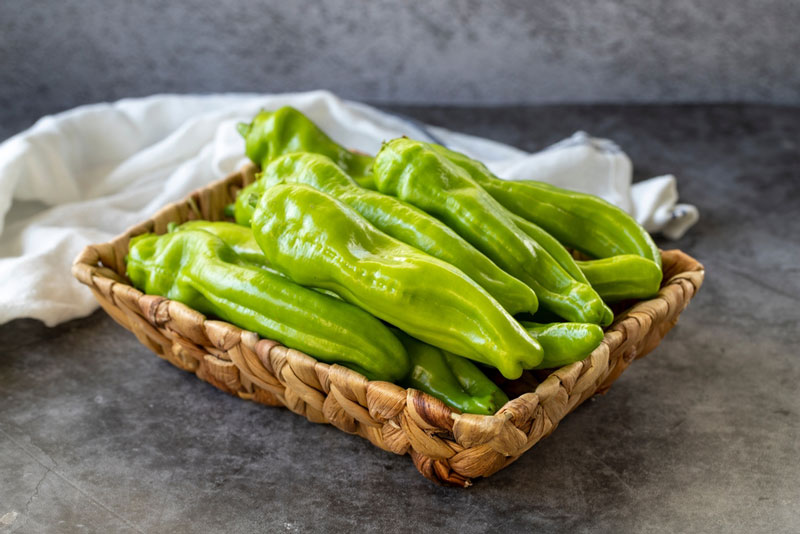
Can cats eat green peppers? This is a question many cat owners ponder as they navigate the mysterious world of feline diets. The short answer is yes, but with a few caveats. Cats can eat green peppers, but they should not be a staple in their diet. Our furry friends are obligate carnivores, which means their bodies are designed to thrive on meat. The good news is that if your kitty takes a liking to green peppers, a small amount won’t harm them.
Now, let’s talk about how we can introduce this veggie into our cats’ lives while keeping their needs in mind. It’s a common mistake to think that just because something is safe for us, it must be safe for our pets too. Green peppers might offer some nutritional benefits, but they are not a substitute for high-quality cat food. So, keep reading as we explore everything about green peppers and their place in our cats’ diets!
We all want the best for our cats, and sometimes that means understanding what they can and cannot eat. While green peppers may seem like a harmless snack, it is always best to approach everything in a balanced way. Luckily, we are here to break it down for you! Join us as we discover the wonders and potential risks of incorporating green peppers into our feline friends’ diets.
You might also be interested in: Can Cats Eat Bell Peppers?
Can Cats Eat Green Peppers?
So, can cats really eat green peppers? Yes, they can, but in moderation! Cats have unique dietary needs that differ from ours. As we mentioned earlier, they are primarily carnivores. This means that the bulk of their diet should be meat-based. However, like many humans, our pets can sometimes tolerate small amounts of certain vegetables as treats or occasional snacks.
Green peppers, which are also known as bell peppers, are a type of fruit that belongs to the nightshade family. They are rich in vitamins A, C, and K, as well as antioxidants. These nutrients can be beneficial to us humans, and they can bring some health benefits to our kitty companions too. That said, their dietary needs are still quite different than ours!
While green peppers can be healthy for our cats in small doses, it’s important to remember that not every cat will enjoy the taste or texture of this vegetable. Some cats can be quite picky, and that’s part of their charm! If you want to see if your feline friend will enjoy a taste of green pepper, it’s best to serve it in a way that’s appealing to them, such as finely chopped and mixed with their regular food or offered as a special treat.
If your cat does show interest in green peppers, it’s wise to keep an eye on how they react. As with any new food, introducing it gradually can help prevent any digestive upset. If they have a sensitive stomach, large amounts of any new snacks can lead to unwanted side effects like an upset tummy. Always start with a small piece and monitor your pet’s reaction.
Overall, while green peppers are not toxic to cats, they should not be a primary part of their diet. As always, you should consult your veterinarian if you are unsure about introducing new foods. Vet check-ups are also a great way to keep up to date on what’s best for our furry companions!
How Much Green Peppers Can Cats Eat?
Now, let’s chat about how much green pepper is safe for our cats. When we introduce new food into our cats’ diet, moderation is key. For a healthy adult cat, a small piece of green pepper a few times a month is typically sufficient. It’s like treating them to a snack every now and then rather than making it a regular part of their menu.
When serving green peppers to your cat, it’s best to prepare them in a way that makes it easy for them to munch on. Washing the pepper thoroughly, topping it off with a thorough chop, and removing the seeds will help your kitty avoid any choking hazards or digestive issues. Cats are not like humans when it comes to eating their vegetables. They don’t chew in the same way we do, so providing appropriately sized pieces is essential!
Our cats have very different microbiomes than we do, so the amount they can handle might differ from what we consume without a second thought. Generally, when introducing green peppers, we should begin with a tiny portion, perhaps the size of a pea, to see how our cat responds. Observing their reaction will help you determine if it’s something they want to nibble on more in the future. If your cat enjoys the taste and has no adverse reactions, you can continue to offer it from time to time, but always remember to keep the portions small.
If your cat experiences any digestive upset after eating green pepper, such as vomiting or diarrhea, it’s best to avoid giving them the vegetable again. Each cat can react differently based on their individual makeup, and something that is safe for one cat might not be the same for another. Consult your vet if you have any concerns about food choices for your feline family member.
In conclusion, while green peppers can be included in your cat’s diet every now and then, keep it light and fun! Use them as an occasional treat rather than a staple. After all, we want our pets to be happy, healthy, and feeling their best!
Benefits Of Green Peppers To Cats
1. Vitamins: Green peppers are packed with vitamins, which can occasionally support our cat’s health. They contain vitamin C, which is often credited with helping their immune system. While cats produce their own vitamin C, a little extra from their diet never hurts. Plus, this vitamin can have a positive effect on their overall vitality and well-being, much like a good night’s sleep for us!
2. Fiber Content: The fiber content in green peppers helps with digestive health. While cats don’t digest vegetables as efficiently as we do, some fiber can help bulk up their stools and may help with any small issues in the digestive tract. We all know how important it is to keep things moving smoothly—not just for us, but for our furry companions too!
3. Low in Calories: Green peppers are low in calories, making them a guilt-free option for a treat. If we’re trying to keep our cat’s weight in check, a little nibble of green pepper does not add many extra calories compared to some of their other treats. This makes them a fun way to change things up without the worry of added pounds!
4. Textures: The crunchiness of green peppers can stimulate our kitty’s interest in snacks. As cats love to explore different textures in their food, the crispiness of green peppers can add some fun to their mealtime variety. When food is exciting and engaging, it encourages healthy eating habits!
5. Hydration Benefits: Lastly, consuming non-meat items might provide some hydration benefits. Though green peppers are not a replacement for water, they do have high water content! This means adding them as an occasional treat can help keep our cats hydrated, especially if they are not the best drinkers.
Dangers Of Feeding Green Peppers To Cats
As much as we love to explore various foods for our artistic cats, it is vital to be aware of potential risks. While green peppers are generally safe in small amounts, there are specific concerns to keep in the back of our minds.
Firstly, while most cats can eat green peppers without a problem, some may have more sensitive stomachs. If your cat eats a piece and starts to vomit or shows diarrhea, it’s best to stop feeding them this treat. Their sensitive digestive systems may not react well to the fiber in green peppers or the veggie itself.
Secondly, green peppers belong to the nightshade family, which includes plants that can be toxic in larger quantities. Luckily, bell peppers, including green ones, are not among the most toxic, but caution is still necessary. It’s worth noting that the leaves and stems of nightshade plants can be harmful to pets, so ensure your cat doesn’t get a hold of them! Steer clear of unripe or raw forms of certain nightshades too. If you’re ever unsure, it’s best to consult the vet about specific plants or foods.
Another risk to consider is choking. Cats are known for wolfing down their snacks rather quickly, and if not cut correctly, large or improperly prepared pieces of green pepper could lead to choking hazards. We want to ensure our furry pals enjoy their munchies safely, which means cutting everything into small, appropriate sizes that fit their mouths!
Lastly, some cats simply won’t like green peppers. As we’ve mentioned before, cats can be picky eaters, and many may avoid certain vegetables altogether. If your cat sniffs it and walks away, it might be wise to save the peppers for our salads instead. Forcing a food they do not enjoy may only lead to a negative experience during feeding times.
Substitute Of Green Peppers For Cats
1. Carrots: If your kitty doesn’t fancy green peppers, other colorful veggies like carrots could be a delightful alternative! Carrots are sweet and crunchy, and many cats enjoy their taste! Just remember to cook them lightly or cut them into manageable bits for easy munching.
2. Zucchini: Cats may also enjoy zucchini. This tasty treat is low in calories and can be offered raw or cooked, as long as you cut it into manageable pieces! Low-calorie treats are always better for keeping our kitties happy while keeping their weight in check!
3. Cucumbers: These are another option. They are refreshing and have high water content, making them a hydrating choice, especially on hot days. Just make sure to slice them thinly, and keep an eye on how your cat likes them!
4. Broccoli: This is well-known for its health benefits and could be a good pick too. Just steam it lightly before offering to avoid raw gas! Not only can broccoli help with immunity, but it adds nice variety to your kitty’s palate.
5. Sweet Potatoes: These are another substitute that many felines enjoy. They’re naturally sweet, and their creamy texture provides a delightful treat! Just remember to cook them first and serve them in small amounts to avoid overwhelming your cat’s digestive system!
Can Cats Eat Green Peppers? Frequently Asked Questions
Can Cats Eat Other Colored Bell Peppers?
Yes. Red, yellow, orange, and green bell peppers are all non-toxic to cats. However, none of them are necessary for a cat’s diet, and they don’t provide meaningful nutritional benefits for cats.
Are There Any Other Vegetables That Cats Can Eat?
Some cats may tolerate tiny amounts of certain vegetables, such as cooked carrots, peas, green beans, pumpkin, or zucchini. These should always be plain and offered sparingly. Remember, vegetables are optional treats—cats thrive on animal-based nutrition.
Do I Need To Prepare Green Peppers In A Special Way For My Cat?
Yes. Wash the pepper thoroughly, remove the stem, seeds, and inner membrane, and offer only a very small piece. It can be served raw or lightly cooked, but never add oil, salt, spices, or seasoning. Introduce it slowly and observe your cat’s reaction.
What If My Cat Shows Signs Of Allergies After Eating Green Peppers?
Stop offering the pepper immediately. Signs of a reaction may include vomiting, diarrhea, excessive drooling, itching, facial swelling, or unusual behavior. If symptoms persist or are severe, contact your veterinarian for advice.
Should I Consult My Vet About My Cat’s Diet?
Yes—especially if you’re considering adding new foods or if your cat has health issues. A veterinarian can help ensure your cat’s diet is balanced and appropriate, and advise which treats, if any, are safe for your specific cat.
Final Thoughts
In conclusion, while green peppers can be a fun addition to our cats’ diets, we must remember to exercise caution and moderation. Our furry friends have specific dietary needs, and vegetables shouldn’t take the place of their nutritious cat food. By introducing vegetables carefully, we can add some variety to their meals and keep things interesting. If you’re curious about what else our cats can eat, consider exploring more topics such as cats and pepper.
We want to ensure that our furry companions are happy and healthy, and that comes with understanding their unique needs! Explore the exciting options that can benefit our beloved pets. Let’s continue to enjoy exploring the world of pet nutrition together!
Hopefully, this information helps guide you in making informed decisions about your kitty’s diet. Keep the treats coming and our pets playful, and remember to check in with your vet for specific dietary advice!