
Have you ever wondered, can cats eat green olives? Well, the good news is that cats can nibble on small amounts of green olives without any immediate danger. However, moderation is crucial! Just like us, our furry friends may not react to certain foods the same way, so it’s important to be cautious.
While your cat may show interest in those tasty green morsels, they are not a necessary part of their diet. Cats are obligate carnivores, which means that their primary need is for meat. So, while sharing a green olive as a treat occasionally is okay, we need to ensure it doesn’t become a habit. After all, it’s always good to keep our felines healthy and happy!
Stick around as we discover more about whether green olives are safe for our whiskered pals. We will look into how much they can have, the benefits, risks, and even some alternatives that will keep our cats excited about snack time!
You might also be interested in: Can Cats Eat Berries?
Can Cats Eat Green Olives?
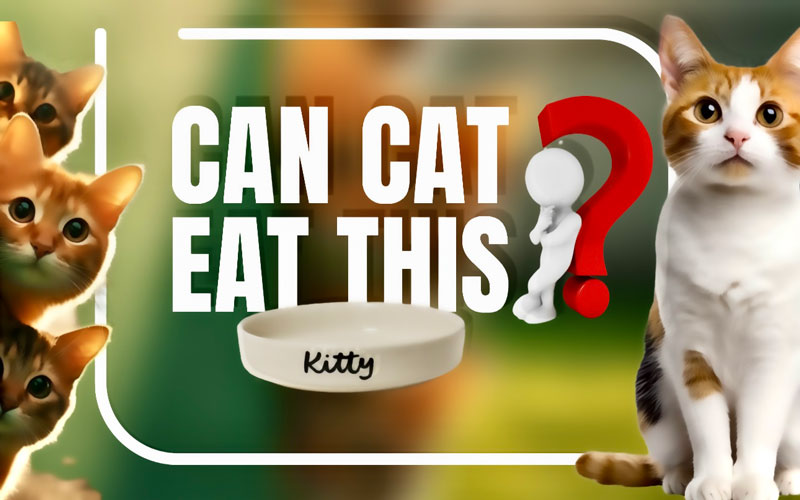
As much as we love to treat our cats every now and then, it’s important to remember their dietary needs. Can cats eat green olives? Yes, they can! Green olives are not toxic to cats, which is a relief for those of us who like to share our snacking habits with our furry companions. However, there are several things to keep in mind before tossing a few olives their way.
In small quantities, green olives may serve as an interesting and different snack for our cats. It can be a fun way to switch up their usual treats. Just be cautious about how many they get and pay attention to their reactions. Some cats may enjoy the salty flavor or the crunchiness while others might turn their noses up in disinterest. It’s all about personal preference! But let’s not forget that while olives are safe in small amounts, they do not provide any essential nutrients for cats.
Before serving that olive, it’s good to ensure it’s pitted and cut into small pieces. The pit can be a choking hazard and could lead to digestive issues. A simple, properly prepared olive could be a fun, crunchy treat that our cats might enjoy. However, too much of any human food could lead to an upset tummy or issues long term. Always approach new foods with caution. A trip to the vet is advised if you notice any unusual behavior after introducing something new.
How Much Green Olives Can Cats Eat?
When it comes to giving our kitty cats green olives, quantity matters! We adore our furry friends and want to make sure they enjoy treats without overdoing it. Until we understand how green olives fit into their dietary needs, it’s best to introduce them slowly. A general guideline is to keep it to one small olive, or even a piece of olive, once in a while.
It’s very key to monitor how our cats react to this ‘exotic’ treat. Most importantly, remember that olives should be considered an occasional treat rather than a staple in their diet. Cats thrive on a protein-rich diet primarily consisting of meat. Treats are rewards but should make up around ten percent of their daily food intake.
Let’s picture it this way: if our cat has a daily routine that consists of their regular food, we could introduce a small slice or one whole olive once a week. This gives them a chance to enjoy something new without compromising their health. Should you notice any stomach upset or undesirable reactions like vomiting or diarrhea, it may be time to reconsider that olive experiment.
Another thing to keep in mind is the context of how often we pamper our feline friends. If your cat has more salty or high-fat treats on a regular basis, it’s better to skip the olive altogether. Balance in their diet is key, as we would also want to enjoy our meals without overindulging ourselves! So, let’s keep it to a minimum and always opt for fresh, plain olives without any additions like oil, spices, or seasonings.
Benefits Of Green Olives To Cats
1. New Flavors and Textures: One of the benefits of giving our cats green olives is variety! Cats can sometimes become bored with their regular diet. Introducing an occasional olive could spark their interest. It’s a fun way for us to provide new flavors and textures. Variety keeps meal times exciting for them!
2. Rich in Antioxidants: Green olives are rich in antioxidants. Antioxidants can help fend off various health issues as they support our cat’s immune systems by reducing inflammation. This means, while it’s not a common reason to indulge our cats with a treat, it could add slightly to their overall health when consumed in moderation.
3. Healthy Fats: Olives have healthy fats, such as monounsaturated fats, which can be beneficial for our feline friends. Healthy fats are essential for cats but need to be provided through their main protein sources. Still, a little olive here and there won’t hurt, as healthy fats can promote shiny coats and overall skin health!
4. Promote Hydration: Giving our cats green olives can also promote hydration. Most of us know that nothing beats fresh water. But olives contain some moisture, so chewing a couple could help in that department. It’s not a replacement for water by any means, but it could add a tiny addition to hydration!
5. Enhance Bonding Time: Lastly, offering our kitties green olives can enhance bonding time. Sharing food brings us closer, and trying new treats can be a fun experience for both us and our furry companions. It can lead to moments of joy and laughter as our cats experience something new, making us feel good about our connections with them!
Dangers Of Feeding Green Olives To Cats
As we get thrilled about introducing our cats to green olives, it becomes important to be cautious. While green olives are not toxic, that doesn’t mean they come without risks! Let’s take a moment to consider some things we should look out for.
One of the main dangers of giving our cats inexperienced treats like olives is the potential for gastric distress. Cats have sensitive digestive systems. If they consume too much fat, salt, or even the pit, it can lead to diarrhea, vomiting, or upset stomach. Always monitor how our feline friends react after introducing something new.
Considering their natural diet, salt is not something our cats need. Salt can be harmful; therefore, we should always offer plain green olives rather than olive varieties packed in salted brine. Just one or two might not hurt, but frequent indulgences can lead to kidney issues in cats. We want the best for our little buddies, and introducing something that could affect their health is the last thing we want!
Another concern is choking hazards. The pits in olives can easily get stuck in our cat’s throat and create a risk for choking. To make sure our cats enjoy their treat safely, we need to always ensure olives are pitted before serving them. It’s super important for keeping our furry pals safe and joyful.
If our cats have pre-existing conditions like hypertension or obesity, it is also wise to completely avoid giving them olives. The salt content could exacerbate health problems in these cases. Moreover, if you have concerns about your cat’s wellbeing or aren’t sure about introducing olives, it’s best to have a chat with our veterinarian. A vet’s advice is crucial when it comes to our pets’ health!
Substitute Of Green Olives For Cats
1. Cooked Chicken: One great substitute for green olives could be cooked chicken! Cats love protein, and a small piece of cooked, unseasoned chicken can be a perfect treat. It’s tasty and healthy, offering essential nutrients that olives lack. Who can resist a little poultry joy?
2. Freeze-dried Fish Treats: Giving our cats freeze-dried fish treats can also be a fantastic alternative! These treats are packed with protein and omega-3 fatty acids, good for heart, brain, and coat health. It’s fishing fun for those cats who enjoy the savory flavors of the sea!
3. Cat-friendly Fruits: Another delicious option is cat-friendly fruits like watermelon or pumpkin. Always remove seeds and avoid high sugar content fruits. Small bits can add variety while still nourishing our cats. Your cat might enjoy a small healthy snack. They may even surprise you with their taste buds!
4. Yogurt: This is a great source of probiotics, which can aid digestion! As long as your cat isn’t lactose intolerant, plain, unsweetened yogurt in moderation can be a creamy and delicious option. It’s a treat that makes everyone happy!
5. Catnip: Lastly, think about cat grasses or catnip. They are natural favorites that spark excitement in most cats! Offering a little cat grass can improve digestion and provide entertainment, with no risks involved!
Can Cats Eat Green Olives? Frequently Asked Questions
Can Cats Have Stuffed Olives?
While we love the taste of stuffed olives, it’s important to skip these for our cats! Many of them include ingredients like cheese or garlic, which can be harmful to our feline friends. So, let’s stick with plain green olives instead.
What Should I Do If My Cat Eats Too Many Olives?
If our cats happen to overindulge in olives, it’s essential to keep an eye on them. Watch for signs of discomfort like vomiting or lethargy. If something seems off, consult your veterinarian right away. They’re the best resource!
Are There Any Negative Effects Of Giving My Cat Olives?
As discussed, some negative effects of giving olives can include digestive issues or allergic reactions. Always consult your vet if you notice any weird side effects. Prevention is key!
Can Kittens Eat Green Olives?
It’s better to avoid giving green olives to kittens altogether. Since their dietary needs are specific, and they are typically more sensitive, we’re better off sticking to their specialized kitten food.
What’s The Best Way To Introduce New Treats?
The best way to introduce new treats is slowly! Start with tiny portions and watch for any reactions. It’s all about making sure our fur babies enjoy every bite without any health risks!
Final Thoughts
In conclusion, sharing a bit of green olive with our cats can be a fun experience, but moderation is key. Remember their dietary needs! Cats need a primarily meat-based diet, and while olives are okay in small quantities, they don’t add any real nutritional benefit. It’s all about maintaining a healthy balance in their diets!
If you’re ever in doubt about what to feed your cat, consulting with a veterinarian is always a safe route. They can point us in the right direction regarding our furry friends’ well-being. To spice up our cats’ diets, perhaps try some of those yummy substitutes we mentioned earlier!
So why not explore more topics on pet care? Click here to read more about topics like general pet advice, or perhaps you’ve wondered about what happens when cats eat turmeric by visiting turmeric-related dangers! Life is all about sharing fun and knowledge, right? Cheers to our furry companions and happy pet parenting!