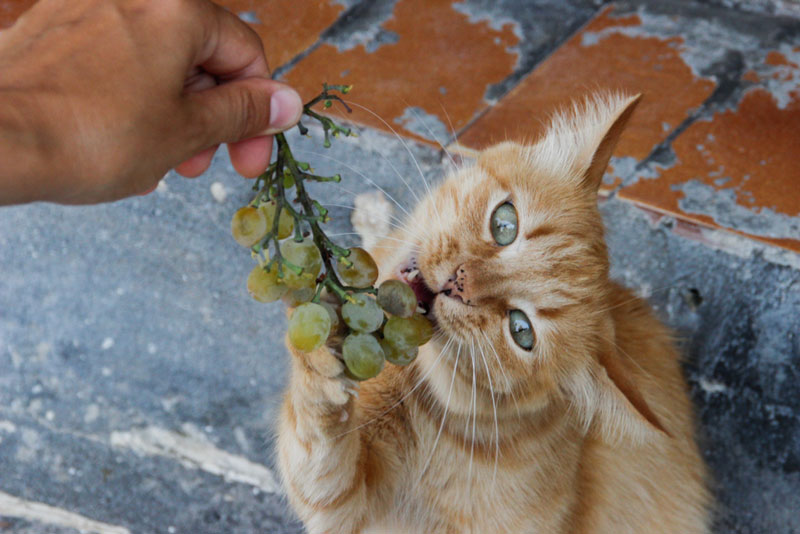
Have you ever wondered if your furry feline can munch on a green grape? Well, I have some important news for you! No, cats cannot eat green grapes. While grapes might seem like a harmless treat to us, they can actually be very harmful to our feline friends. In fact, grapes and raisins are known to be toxic to cats and can cause a variety of health issues. So, let’s keep those sweet little fruits away from our curious cats!
This shocking revelation might have surprised you. It may seem odd that such a small fruit can be so dangerous for cats. Many pet owners might wonder why grapes pose a threat, especially since we enjoy them without a second thought! The truth is that our pets have different dietary needs and their bodies process foods very differently than ours. So what might be safe for us can end up being quite harmful to them.
If you are curious about what to feed your pet instead of grapes or want to know more about the potential risks and alternatives, you’re in the right place! We will explore this topic and uncover more about why grapes are not safe for cats, the consequences of ingestion, and what delicious snacks might be better suited for our beloved pets. Keep reading to arm yourself with knowledge that will keep your kitty safe!
You might also be interested in: Can Cats Eat Grapefruit?
Can Cats Eat Green Grapes?

The answer to this question is a firm NO. While humans can munch on grapes without any issues, they can pose significant health risks to our feline friends. Green grapes, in particular, can be extremely toxic to cats. Even a tiny amount can lead to serious health complications, including kidney failure. Isn’t it scary to think about how something so small can be so dangerous? Our curious cats love to explore and nibble on things, which is why knowing what foods are safe is essential!
The exact reason why grapes are toxic to cats is not entirely clear, but several studies suggest that they can impact the kidneys. Just like humans, cats have kidneys that filter waste from the blood, and when those organs are compromised, life-threatening conditions can arise. Symptoms of grape toxicity can vary, but they may include vomiting, diarrhea, lethargy, loss of appetite, and abdominal pain. If you suspect your cat has eaten grapes, it is crucial to contact a veterinarian immediately.
How Much Green Grapes Can Cats Eat?
As we’ve established, cats should avoid green grapes altogether. But you might be wondering how much is too much? The unfortunate truth is that even a small bite can prove harmful. Unlike humans, who may enjoy a few grapes here and there, our furry friends have very different metabolic systems, which means they can’t handle those little treats. If your cat does ingest a grape, whether it’s just a nibble or a whole bunch, it is essential to see a vet right away. The best practice is complete prevention—keep those grapes away from your feline friend entirely.
Some may argue that moderation is key, but when it comes to things like grapes that have shown to be potentially toxic, moderation doesn’t really apply. It’s all about keeping our pets safe. Instead, consider safer snack options, such as pieces of cooked chicken or some cat-friendly fruits like blueberries in moderation. Remember, it’s better to stick with the treats specifically designed for cats!
We also want to be mindful of the source when discussing pet-food decisions. Many cat food brands have developed recipes that cater to the dietary needs of our furry friends. So, instead of worrying about whether one grape may hurt, explore the array of safe snacks available that are specially tailored to their needs.
If you continue to be unsure about what your kitty can or cannot eat, don’t hesitate to reach out to your vet. They are the best resource for advice when it comes to dietary needs and safety.
Benefits Of Green Grapes To Cats
1. Prevention of Health Issues: When we focus on what our cats cannot eat, we often forget to highlight the benefits of making the right choices. Keeping our feline friends away from green grapes is crucial for their health. By providing them with a healthy diet, we can prevent kidney disorders and other serious health issues. The fewer risky snacks we offer, the healthier our cats can be, allowing them to live a full and happy life.
2. Increased Variety of Safe Foods: Excluding grapes from a cat’s diet encourages us to explore alternative snacks suitable for our furry companions. It opens us up to learn about various foods, such as tuna, baby carrots, or special cat treats that are safe and even beneficial. Knowing what’s out there helps us be better pet owners.
3. Making Safer Choices Together: Being part of a pet community allows us to learn together, share information, and keep each other accountable. When we discuss the importance of avoiding grapes, we foster a culture of healthier pet care. It creates a sense of belonging and shared responsibility, reminding us that it’s a journey we all take together as loving pet parents.
4. Strengthened Food Bond with Cats: When we opt for safe food choices for our cats, we build a stronger bond with them. Providing them healthy and tasty snacks creates moments of joy and trust. They come to rely on us not only for their meals but also for their comfort, happiness, and well-being.
5. Encouragement for Other Pet Owners: When we learn together and emphasize the dangers of feeding pets harmful snacks like grapes, we can encourage others within our pet community to take action too. By sharing insights into what we’ve discovered, we can better educate fellow pet owners, creating a ripple effect of positive change and awareness.
Dangers Of Feeding Green Grapes To Cats
The risks associated with feeding grapes to cats are numerous and cannot be overlooked. We’ve examined how even one grape can be harmful, but we need to fully understand the serious nature of these consequences. Acute kidney failure is one of the most significant threats linked to grape ingestion in cats. When a cat’s kidneys begin to fail, it means they can’t properly filter waste from their blood anymore. This can lead to a dangerous buildup of toxins that can be life-threatening.
Other dangers include digestive issues, which can manifest as diarrhea, and loss of appetite, both of which can easily lower a cat’s energy and vitality. It’s through these signs that we often realize something is wrong, which is why being in tune with our pet’s behavior is so essential.
Hearing about potential dangers can feel overwhelming, but showing diligence and understanding for what our pets can and cannot eat is our responsibility as pet owners. Diving deep into the requirements helps us raise awareness and leads to better choices for our furry friends!
Substitute Of Green Grapes For Cats
1. Cooked Chicken: When it comes to snack options for our cats, cooked chicken is often at the top of the list. Most cats adore chicken, and it’s a great source of protein too! This lean meat is safe and offers many health benefits, such as promoting muscle growth and healthy skin. Just ensure it’s fully cooked and doesn’t contain any seasoning!
2. Cat Treats: If you’re unsure about what to feed your kitty, don’t forget about the variety of commercial cat treats available. These treats are formulated specifically for cats, and many come in flavors that our furry friends find irresistible. Catnip-flavored treats or fish-based snacks can be great options. They are designed to cater to your cat’s needs while keeping them safe.
3. Cat-Friendly Fruits: Some pet owners enjoy experimenting with fruits that are safe for cats. Small pieces of cantaloupe, blueberries, and watermelon can be fun additions to supplement their diets without posing risks. Just remember to serve in moderation and always keep an eye on your kitty’s reaction to these new tastes!
4. Cooked Pumpkin: Another fun concept we can explore is cooked pumpkin. This squashes veggie is not just safe but also very beneficial! Pumpkin can help with digestion and is gentle on the stomach. You can toss a small amount into their meals for added nutrients as long as it is plain and doesn’t contain any added sugars or spices.
5. Green Beans: Lastly, consider incorporating some green beans into your cat’s diet! Cats are obligate carnivores, which means they need meat, but offering vegetables, like green beans, occasionally can be a fun treat. These veggies can provide fiber and keep our kitties full, but remember to chop them into small pieces for easy eating!
Can Cats Eat Green Grapes? Frequently Asked Questions
What Should I Do If My Cat Eats A Grape?
If your cat eats a grape, don’t panic, but do act quickly. Check how many grapes they consumed and contact your veterinarian right away for instructions. It’s always better to be safe!
Are There Any Signs Of Grape Toxicity I Should Watch For?
Signs of grape toxicity can include vomiting, diarrhea, lethargy, loss of appetite, and abdominal pain. It’s essential to keep an eye on your cat after consumption.
Can Cats Eat Other Types Of Grapes?
No, cats should avoid all types of grapes, including red and black varieties. It’s best to stick with pet-safe snacks.
What Should I Feed My Cat Instead Of Grapes?
Consider feeding your cat cooked chicken, cat treats, cat-friendly fruits, cooked pumpkin, or green beans. These options are much safer!
What If I Only Give My Cat A Tiny Piece Of Grape?
Even a tiny piece of grape can pose a risk, so it’s better not to give them any. Instead, stick to approved pet snacks for their safety.
Final Thoughts
So there you have it, folks! Grapes are definitely not a food choice for our felines. Understanding the dangers associated with feeding grapes and being mindful of the alternatives can help us create healthier and happier diets for our furry friends. Let’s protect our cats from potential toxins while we continue to nourish them with safe and delightful treats! The more we know, the better we can cater to their needs.
If you’re looking for more guidance on what your beloved pets can eat, check out our thoughts on pet nutrition. Discover even more about what treats are safe and nourishing for your furry companions! You can also explore related topics like whether cats can eat olives. Knowledge is power, and your pet will thank you for it!