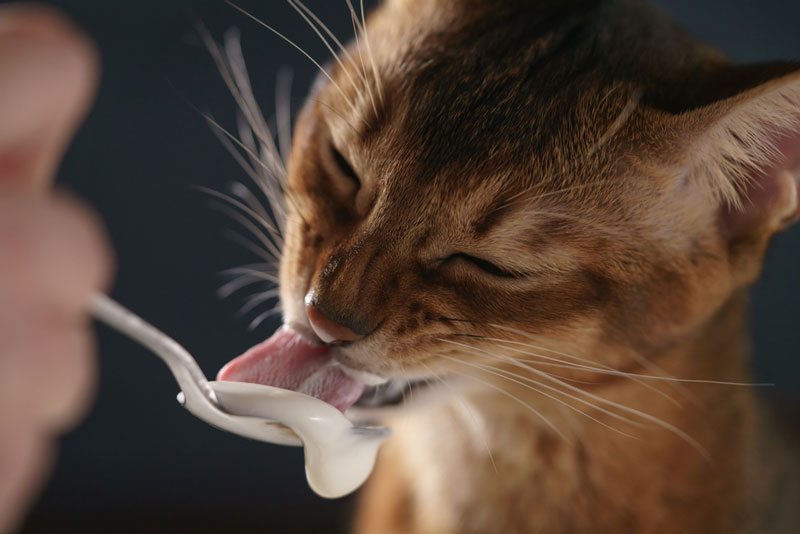
Have you ever wondered whether your furry friend can enjoy a treat like Greek yogurt? Well, the answer is yes! Cats can eat Greek yogurt, but with a few important considerations. Just because they can indulge in this creamy delight doesn’t mean it should be their go-to snack every day. However, a small amount might actually be beneficial for them.
Greek yogurt contains protein, calcium, and probiotics, which can help support your cat’s digestive health. But remember, every cat is different! While some might love the taste and can handle it well, others may experience tummy troubles. So, before you start sharing your yogurt, let’s explore the ins and outs of cats and Greek yogurt to see if it’s a safe and tasty treat for your feline pal.
If you’re curious about how much they can eat, the benefits it provides, and any potential risks involved, don’t go anywhere! We’ve got a lot to cover, and by the end, you’ll be well-informed about introducing Greek yogurt into your cat’s diet.
You might also be interested in: Can Cats Eat Whipped Cream?
Can Cats Eat Greek Yogurt?

Let’s talk about Greek yogurt and whether it belongs on the menu for our furry family members. As we already mentioned, cats can eat Greek yogurt, and it can be a delicious treat for them. Pretty cool, right? Now, let’s break it down a little more. Greek yogurt is strained, which makes it thicker than regular yogurt. This straining process also removes a lot of the whey, which means it has more protein and less sugar than regular yogurt. What’s not to love?
However, we need to think about a few things. Cats are obligate carnivores, which means their main diet should consist of meat. Dairy products, like yogurt, aren’t a big part of their natural diet.
So, while they can munch on Greek yogurt occasionally, it should never replace their main meals filled with real meat. One of the things we love about cats is their picky palate. Many of our feline friends may not even care for the tangy taste of yogurt, even if we think they would love it! It’s important to introduce it slowly and sparingly.
Before giving your cat Greek yogurt, make sure it is plain and unsweetened. Flavored yogurts may contain added sugars, artificial sweeteners, or other ingredients that could be harmful to cats. Sugar is toxic for them, especially the sweetener xylitol. Avoid anything fruity or with additional flavors that could upset their belly.
In summary, yes, cats can eat Greek yogurt, but with the important caveats of moderation, monitoring for allergies, and selecting the right type! It can be a fun and healthy treat when it’s given properly. Our furry friends deserve to enjoy little snacks now and then, right?
How Much Greek Yogurt Can Cats Eat?
Now that we have the “can they?” question answered, let’s move on to “how much?” This can vary between individual cats based on their size, dietary needs, and preferences. In general, we want to keep yogurt as a treat rather than a regular part of their diet. So, how do we portion it out?
When introducing Greek yogurt to our cat’s diet, we should start with a small amount. Just a teaspoon or so is a good place to start. If they respond well, then you can consider offering a little bit more. We typically want to limit treats to about 10% of their daily calorie intake, so think of yogurt as just a small treat to brighten their day.
For a general idea, a typical adult cat requires about 20 calories per pound of body weight per day. On average, a teaspoon of plain Greek yogurt contains around 15-20 calories. If our cat weighs 10 pounds, they might consume between 200 to 300 calories daily. This means we want to be super careful not to let them overindulge in yogurt, or it could push their daily caloric intake over the limit.
It’s also important to monitor our cats after they try yogurt for the first time. If they seem to have any digestive upset, diarrhea, or vomiting, it might mean that they are lactose intolerant or just can’t handle dairy very well. If they seem perfectly fine and are licking their bowl clean, we can try giving them a little more the next time!
Generally, Greek yogurt should be offered no more than a few times per week as a tasty treat to maintain a balanced and healthy diet. It should never replace their regular cat food. And always encourage them to drink plenty of water, especially if you’re giving them anything rich or creamy!
Benefits Of Greek Yogurt To Cats
1. Protein: One great benefit of Greek yogurt is that it’s a good source of protein. Cats need protein to build muscle and keep their fur shiny and beautiful. When we include a little Greek yogurt in their diet, we can give them a tasty protein boost!
2. Calcium: Another fantastic aspect of Greek yogurt is its calcium content. Calcium is important for strong bones and teeth, which is something all living things need. Keeping our cats strong and healthy is our priority, and yogurt can help support that with a bit of calcium added to their diet.
3.Probiotics: Greek yogurt is also known for having probiotics. Probiotics are those friendly bacteria that can help with digestion. A little yogurt once in a while may help improve gut health in our cats, as long as they tolerate dairy well! In a way, it’s similar to a small treat that’s good for their tummy.
4. Hydration: Sometimes, cats need a boost in hydration, and adding some yogurt to their diet may help with that! Because yogurt has a high water content, it can be a great way to offer hydration alongside food, especially if they don’t drink enough water on their own. Our cats can often be picky about drinking water, so every little bit helps.
5. Joy Factor: Lastly, and let’s not forget about the joy factor! Offering our cats a little Greek yogurt can be a fun and engaging way to treat them. Seeing their happy little faces can brighten our day and strengthen that bond of affection we share with them.
Dangers Of Feeding Greek Yogurt To Cats
Despite the potential benefits, we must address the risks associated with offering our feline friends Greek yogurt. The last thing we want is for our cats to suffer any adverse reactions. Here are a few important points to consider.
The biggest concern is lactose intolerance. Many cats don’t have the enzyme lactase to help them break down lactose, the sugar found in milk and dairy products. While Greek yogurt has less lactose than regular yogurt, it can still pose a problem for some cats. If your cat has tummy troubles after indulging in yogurt, they might be lactose intolerant and should avoid it in the future.
Another risk is the potential for an upset stomach. If we give them too much, we may experience the unfortunate consequences of a cat that doesn’t feel well. Starting with a tiny helping can help us avoid this, but it’s important to keep an eye on them afterward to ensure they don’t have any negative side effects.
Also, we can’t forget that some cats may be allergic to dairy products, just like some humans can be. If our cat seems to have an allergic reaction like itchy skin, swelling, or gastrointestinal issues, we should stop giving them yogurt immediately and consult our vet.
When offering yogurt, it’s crucial to ensure that it’s plain and unsweetened. Some yogurts contain additives, sugars, or artificial sweeteners that could be harmful to our furry friends. For instance, xylitol is a sweetener that is toxic to pets and can cause severe health issues. Always double-check labels before sharing any food with our pets.
In essence, while Greek yogurt can have its perks, being aware of these risks is essential. Paying attention to how our cats react to new food can help us keep them happy and safe from any health complications.
Substitute Of Greek Yogurt For Cats
1. Plain Cow’s Milk: If Greek yogurt doesn’t sit well with your furball, there are other alternatives we can consider. Plain cow’s milk typically has higher lactose content, so it might be a no-go for most cats. However, lactose-free milk can be a good alternative if your cat loves that creamy flavor without the side effects of lactose!
2. Pumpkin Puree: Another great alternative is pumpkin puree. This can be a healthy treat that’s easy on the stomach. Pumpkin is packed with fiber and can help regulate our cat’s digestive system. Just make sure it’s pure pumpkin with no added sugars or spices.
3. Eggs: We can also try offering our cats small amounts of cooked eggs! Scrambled or boiled eggs are protein-packed and can be a real treat for our furry friends. They are rich in protein, just like yogurt, and they often don’t have the same risks as dairy. However, it’s essential to ensure that they are cooked well to avoid any health risks.
4. Cat Treats: We can consider commercially prepared cat treats that have yogurt in their natural ingredients. These can be a good way to ensure that we are giving our cats safe and healthy snacks while also avoiding the risks of plain yogurt. Plus, they are specifically formulated for cats, so they’re designed to be tummy-friendly!
5. Veggies: Last but not least, think about treating your cat to some steamed and pureed veggies, like carrots or peas! They’re low in calories and packed with nutrients. They won’t provide the same creaminess as yogurt, but they can show our cats that we care about their health and wellbeing.
Can Cats Eat Greek Yogurt? Frequently Asked Questions
Can Greek Yogurt Help With My Cat’s Digestion?
Yes, Greek yogurt can potentially help with digestion thanks to the probiotics it contains. However, be cautious, as not all cats tolerate dairy well!
What Should I Do If My Cat Has A Bad Reaction After Eating Yogurt?
If your cat experiences any adverse reactions, like vomiting or diarrhea after eating yogurt, stop giving it to them and consult your veterinarian.
Is There A Limit To How Much Yogurt My Cat Can Eat?
Yes, it’s best to treat yogurt as an occasional snack. A teaspoon or two a few times a week is typically safe, but always monitor their reactions.
Is Flavored Yogurt Safe For My Cat?
No, flavored yogurt can contain ingredients that are harmful to cats, such as sugars or artificial sweeteners. Stick to plain, unsweetened Greek yogurt.
What If My Cat Doesn’t Like Greek Yogurt?
Not all cats are fans of yogurt! If they don’t show interest, there’s no need to worry. There are plenty of other healthy treats to try.
Final Thoughts
In conclusion, we’ve taken a little journey through the world of Greek yogurt and our beloved feline friends. While Greek yogurt can offer some health benefits, we must be informed and cautious when feeding it to our cats. Observing their reaction and keeping portions moderate will help ensure that yogurt is a safe treat in our cat’s diet.
If you’re curious about other foods that are safe or dangerous for our pets, there’s always more to explore! You might want to check out some topics like whether cats can eat chocolate, which is something we should definitely be cautious about! Or perhaps, did you know that dogs can eat pineberries? Each pet has its unique dietary needs, so let’s uncover more together!