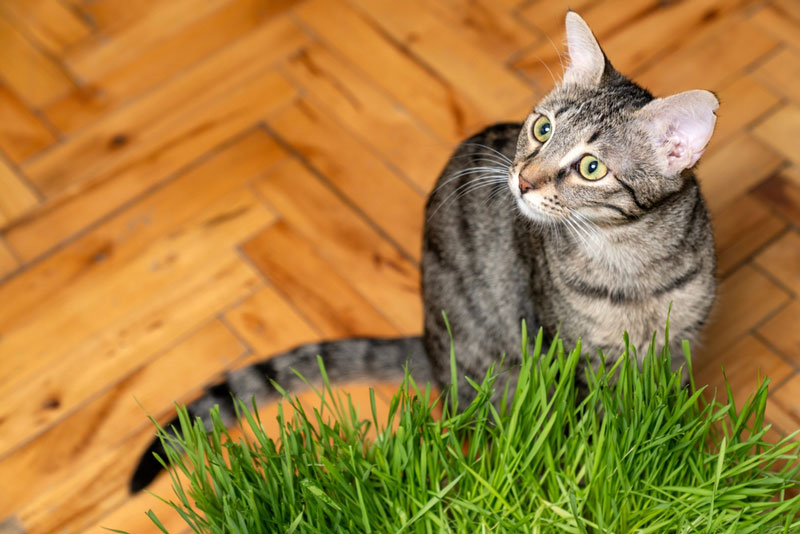
Have you ever seen your cat munching on some grass and wondered, can cats eat grass? The answer is yes, cats can eat grass! It’s a common sight for cat owners to watch their feline friends nibbling on a patch of green. While we might not know exactly why they enjoy this greenery, there are reasons behind this curious munching habit.
Grass provides cats with a little extra fiber in their diets. This can be beneficial for their digestive systems, similar to how some humans enjoy special grass juices or health-focused smoothies. Cats may also consume grass as a way to help them purge hairballs or just for the simple pleasure of it. Isn’t it fascinating how our furry companions have their unique eating habits?
We invite you to keep reading as we explore the reasons why cats eat grass, the benefits it might provide, and how to make sure your kitty is safe while indulging in this leafy snack!
You might also be interested in: Can Cats Eat Wheat Grass?
Can Cats Eat Grass?

When it comes to our little feline friends, they are often mysterious and quirky. Seeing a cat enjoying a bit of grass can lead to many questions about their diets and health. Cats are obligate carnivores, which means their primary diet consists of meat. However, this doesn’t mean that they wouldn’t enjoy a bit of greenery from time to time.
Let’s think for a moment about why cats might feel inclined to munch on grass. One reason could be that grass contains several essential nutrients. Cats might be instinctively inclined to seek out certain plants to balance their diet or to fulfill some nutritional needs not entirely covered by their meat-based diets. Some types of grass, like catnip, can have various health benefits alongside flavor and fun.
We can also observe that eating grass doesn’t seem to harm cats. Actually, many cat owners have shared anecdotes about their pets gorging on grass without negative outcomes. Typically, cats may eat it and then vomit, which can sound concerning, but it often helps them rid their stomachs of hairballs. In a natural setting, cats often consume grass as part of their routine, which suggests that it is a normal behavior.
How Much Grass Can Cats Eat?
Now that we know our feline friends can eat grass, a common question arises – how much grass is too much? Generally, we should let our cats decide how much they want to eat. Most cats will nibble on grass casually, and that’s typically enough for their needs.
Some amount of grass is quite safe for them. It’s unusual for cats to consume large quantities in a single sitting, as their bodies will often reject excessive amounts by vomiting. This might seem alarming, but it can be a safe way for them to get rid of any unwanted stuff in their tummy. If you notice that your cat is vomiting frequently after eating grass, it might be a sign to limit access or choose a special type of cat grass that is safe and good for them.
It’s crucial to ensure that the grass your cats are nibbling on is free from pesticides or chemicals. Us humans often overlook this detail, but it becomes very important for the health of our furry sidekicks. So, if you want to give your kitty some greenery, consider purchasing special cat grass from a pet store. It’s usually safe and designed just for them!
In addition to watching the quantity, we should pay attention to our cats’ behavior as they eat grass. If they seem to enjoy it and munch on it a little here and there, then amazing! If they seem to lose interest or show signs of discomfort, it might be worth consulting with a veterinarian. Our responsibility as pet owners is to keep our beloved cats safe and healthy, after all.
Putting grass in front of cats can also spark curiosity and mimic natural hunting behavior. The occasional nibble can be fun and engaging for them, keeping their spirits high. So let’s keep a close eye and enjoy watching our cats embrace their quirky eating habits!
Benefits Of Grass To Cats
1. Fiber: One of the most significant benefits cats may gain from grass is the additional fiber it provides. Fiber can support digestive health and help move food through their intestines, reducing the chances of constipation. A properly functioning digestive system benefits their overall health.
2. Help with Hairballs: Eating grass might help with hairballs. We all know how hairballs can be a frustrating experience for both cats and their owners. When cats groom themselves, they inevitably swallow some hair. Consuming grass can help them expel those hairballs, making life easier for everyone involved.
3. Help with Nausea: Grass can help cats with nausea. If a cat feels unwell or has an upset stomach, eating grass could induce vomiting, providing relief. So while it seems strange, that behavior might actually be a natural way for them to cleanse their system.
4. Rich in Folic Acid: It’s also a great way for cats to access some nutrients. Grass is rich in folic acid, a vitamin that helps with the production of hemoglobin. Hemoglobin is essential for transporting oxygen in the blood. This ensures that our furry companions have healthy oxygen levels in their bodies. So, in a fun way, munching on grass may actually be beneficial for their health.
5. Enjoyable Activity: Finally, eating grass may simply be an enjoyable activity for our kitties. They can enjoy the texture and flavor of grass, providing them with mental stimulation. When cats engage their senses, it keeps their spirits lively. A happy kitty equals a happy home!
Dangers Of Feeding Grass To Cats
While grass can provide benefits for our furry pals, there are some risks and dangers we should be aware of. Our priority is keeping them safe as they enjoy their newfound greenery. One risk arises from pesticides or chemicals often present on regular grass. If a cat eats grass treated with these harmful substances, it could lead to vomiting or general illness. It is essential to always ensure the grass we offer to cats is pesticide-free.
Another aspect we should consider is the actual type of grass our cats consume. Not all grass is created equal. Some varieties can be toxic to cats. For example, many ornamental grasses, like some varieties of lily, may pose risks if ingested. It’s critical for us to recognize which kinds of grass are safe for cats; stick to the common cat grass varieties sold specifically for them.
Our furry companions are also susceptible to allergies. While it’s rare for cats to have allergies to grass, it can happen. Some cats may experience itching or skin reactions after eating or coming into contact with certain grass types. Keep an eye on our cats; if they display signs of discomfort, consulting a veterinarian would be wise.
In summary, while there are risks to consider, with careful observation, we can ensure our cats enjoy grass safely and without worry.
Substitute Of Grass For Cats
1. Catnip: If grass isn’t available or if we find that our cats aren’t interested, there are substitutes we can provide. One of the favorites among cats is catnip! It’s a natural herb that many kitties love to roll around in, eat, or even sniff. Catnip offers excitement and sensory stimulation for our furry companions.
2. Wheatgrass: Another substitute is wheatgrass. Like traditional grass, wheatgrass is safe for cats to consume and boasts a plethora of nutrients! It’s packed with vitamins and can meet some of the same needs as grass while providing a new flavor for our felines to enjoy.
3. Lettuce or Spinach: We could also look into offering leafy greens like lettuce or spinach. Many cats can enjoy chewing on these, providing a bit of crunch they may find appealing. However, we need to ensure that any greens offered are safe for consumption in small amounts to avoid any unintended tummy troubles.
4. Thyme or Mint: Additionally, we can introduce cat-safe plants such as cat thyme or cat mint. These offer diverse flavors and textures for our kitties and can surprise us with how much they enjoy these alternatives. It’s a great way to spice things up in their diet and keep their interest piqued!
5. Commercial Cat Foods: Lastly, we should consider offering high-quality commercial cat foods enriched with fiber. Sometimes, a little dietary adjustment can fulfill all the requirements of our felines without introducing grass or potentially harmful plants into their diet. As responsible owners, it’s essential to keep their needs in mind to promote health and happiness.
Can Cats Eat Grass? Frequently Asked Questions
What Types Of Grass Are Safe For Cats?
The safest type of grass for cats to munch on is specially grown cat grass, which is often wheat or oat grass. These varieties are non-toxic and are designed for feline consumption.
If My Cat Vomits After Eating Grass, Should I Be Concerned?
If your cat occasionally vomits after eating grass but shows no signs of distress, it is usually not a cause for concern. However, if vomiting becomes frequent or is accompanied by other symptoms, consulting a veterinarian is advisable.
Can All Cats Eat Grass?
Most cats can eat grass, but some may not show interest in it. Each cat has unique preferences, and that’s okay! We should respect their choices and explore other alternatives if they feel indifferent toward grass.
How Can I Introduce Grass To My Cat?
Introduce grass gradually by placing it in their environment. Using special cat grass pots or trays will allow them to explore it freely and see if it’s a snack they enjoy!
Is All Grass Safe For Cats To Eat?
Not all grasses are safe for cats! We should avoid providing ornamental grasses or any treated with chemicals. Stick with cat grass or safe leafy greens for our furry friends!
Final Thoughts
So, can cats eat grass? Absolutely! It offers several health benefits, aligns with their natural instincts, and can simply be a delightful snack for our beloved pets. With us observing what types of grass they eat, how much they consume, and always looking out for their safety, we can ensure our kitties can enjoy their unusual snack freely.
As pet owners, we should take the time to explore various aspects of pet care that keep our furry companions happy and healthy. If you found this article helpful, consider checking out more interesting topics about our furry friends. For example, explore whether cats can eat lettuce or spinach. Our responsibility is to provide our pets with the best care, information, and love!