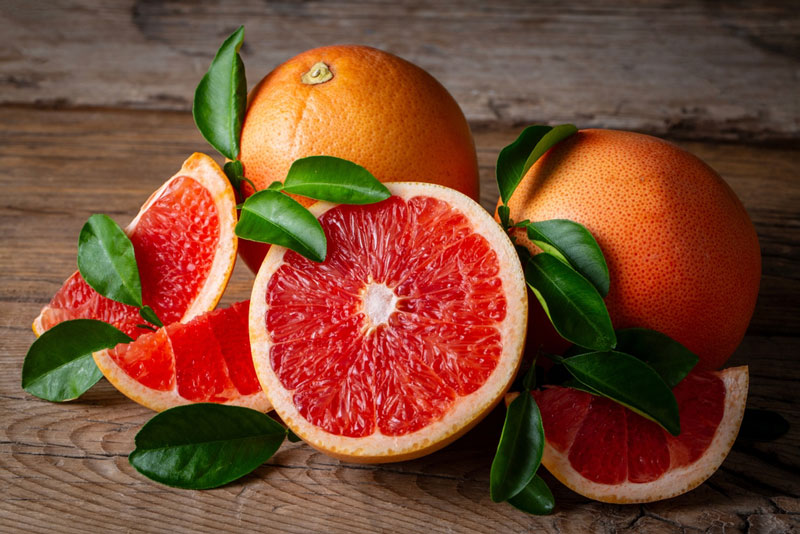
Can cats eat grapefruit? This is a question many pet owners may have, especially if they hear about the health benefits of different fruits. The quick answer is no; cats should not eat grapefruit. Grapefruit contains compounds that can be harmful to our feline friends, making it crucial for us to understand the effects of this fruit on their health.
Not only is grapefruit not suitable for our cats, but it can also pose several risks. While cats are known to be finicky eaters, it’s still essential to know what kinds of food we should keep away from them. Grapefruit is one of those foods that could lead to some unpleasant side effects for both our furry companions and us if we’re not careful. In this article, we’ll explore the potential dangers, the reasons why we should steer clear of feeding grapefruit to our cats, and what alternatives we can offer instead.
Don’t worry! If you’re curious about what fruits and snacks can benefit our furry pals, keep reading! We will provide our readers with everything they need to keep our cats happy and healthy without any grape-related drama.
You might also be interested in: Can Cats Eat Pomegranate?
Can Cats Eat Grapefruit?
Let’s start by breaking down why grapefruit is not on the menu for our cats. Grapefruit is a citrus fruit known for its tangy flavor and high vitamin C content. While it might be great for humans, it poses several risks for our feline friends. Cats are obligate carnivores, meaning they primarily need meat in their diet for optimal health. Fruits and vegetables are not necessary for them, hence why we should be cautious about introducing any of these foods to their meals.
The problem with grapefruit specifically lies in the presence of certain compounds, such as psoralen and furanocoumarins, which can be toxic to cats. These substances can disrupt the liver’s normal function, making it challenging for our furry friend’s body to process these substances safely. Unlike humans, who can benefit from the many antioxidants and vitamins found in fruits, cats have a very different physiology. Their digestive systems are not designed to process many types of sugars, and fruits can lead to gastrointestinal upset or more severe health issues.
How Much Grapefruit Can Cats Eat?
If you’re wondering how much grapefruit a cat can eat, the answer is simple: none at all. There is no safe amount of grapefruit we could give our cats, and even a tiny piece could lead to adverse effects. For our feline companions, it is much better to err on the side of caution. Just like we refrain from feeding grapes or raisins to our dogs, we should keep citrus fruits at bay for our cats.
The toxic effects of grapefruit can vary based on factors like the cat’s size, age, and overall health status. Even a small quantity can upset their stomach or lead to lethargy. Again, it is essential to remember that our cats need a diet rich in proteins and fats primarily sourced from animal products. Feeding them fruits can upset this balance and lead to potential long-term health issues.
As responsible pet owners, we should strive to provide a well-rounded diet for our furry friends. Grapefruit, with its potentially dangerous compounds, has no place in a cat’s diet. So, when it comes to fruits, let’s keep the options limited solely to those that are safe for our beloved companions!
With that said, if our kitties do manage to sneak a tiny taste of grapefruit, we should monitor them for any signs of distress. Symptoms may include vomiting, diarrhea, or lethargy. In such cases, it’s always best to consult a veterinarian as soon as possible, to ensure our cats receive the appropriate care they might need.
Benefits Of Grapefruit To Cats
1. It’s essential to know what we can safely feed our cats that could be beneficial. Here are some options that could supplement their diet without the risks associated with grapefruit.
2. Lean meats, such as chicken or turkey, provide the protein and essential amino acids our cats need for energy and muscle health. These meats help maintain a healthy weight and support overall well-being.
3. Fish like salmon or tuna is also a tasty treat that can offer omega-3 fatty acids, beneficial for maintaining a shiny coat and healthy skin. Just remember to offer these fish in moderation, as too much can lead to mercury buildup.
4. Canned pumpkin (not spiced or sweetened pumpkin pie filling) can be a great option. It provides fiber, which aids in digestion and can combat hairballs. Many cats enjoy the taste as well!
5. While our furry friends don’t need fruit in their diets, there are safe veggies to consider, like cooked carrots or green beans, which can offer fiber and hydration without harmful effects. Remember to always introduce new foods slowly and in moderation, observing our cats for any adverse reactions or allergies.
Dangers Of Feeding Grapefruit To Cats
As we’ve discussed, the risks of feeding grapefruit to our cats are significant. The furanocoumarins found in grapefruit can interfere with how their body processes certain medications, as they can inhibit liver enzymes. This is something we should take seriously.
Feeding grapefruit to our cats can also lead to gastrointestinal upset, resulting in vomiting or diarrhea. It isn’t the vibe we want for our felines! In some severe cases, prolonged exposure to these compounds could potentially lead to liver damage or failure, leading to incredibly serious health issues for our cats.
Apart from these serious risks, we should also be cautious of our cats’ behavior around citrus. Many cats are natural hunters, and some might be intrigued by the smell of grapefruit. However, this doesn’t warrant us allowing any consumption of grapefruit as curiosity can lead to dangerous consequences.
We can ground ourselves in the knowledge that there are numerous alternatives we can offer our cats. By ensuring our pets have access to a balanced diet tailored to their dietary requirements, we provide them with the best possible nutrition without the dangers associated with feeding them harmful foods like grapefruit.
Substitute Of Grapefruit For Cats
1. Lean Meats: As we evaluate alternatives to grapefruit, focus on safe and nutritious options, such as lean meats. Chicken and turkey remain the go-to choices for protein-packed meals.
2. Salmon and Tuna: Don’t forget about fish! Salmon and tuna are fantastic protein sources filled with omega-3 fatty acids and can even contribute to a healthy, shiny coat for our cats.
3. Canned Cat Food: High-quality canned cat food is specifically formulated to meet our feline friends’ nutritional needs. Many reputable brands offer various flavors, ensuring that our cats receive a balanced diet.
4. Cooked Vegetables: If you’re looking to mix things up, try incorporating some cooked vegetables like green beans and squash. They can help with digestion while providing hydration without the risks of citrus fruits.
5. Cat-friendly Treats: Lastly, consider offering cat-friendly treats specially formulated for their needs. These treats can be a delightful way for us to bond with our cats while keeping their health in mind.
Can Cats Eat Grapefruit? Frequently Asked Questions
What Fruits Are Safe For Cats?
Cats don’t need fruit in their diet, but a few fruits can be offered occasionally in very small amounts. Safer options include blueberries, watermelon (without rind or seeds), and peeled apples with the seeds removed. Even these should be treats only and given sparingly.
Can I Give My Cat Orange Or Lemon?
No. Citrus fruits such as grapefruit, oranges, lemons, and limes should be avoided. They contain citric acid and essential oils that can irritate a cat’s digestive system and may cause vomiting, diarrhea, drooling, or stomach pain. Most cats also strongly dislike the smell of citrus.
How Can I Tell If My Cat Has Eaten Something Harmful?
Warning signs may include vomiting, diarrhea, excessive drooling, lethargy, loss of appetite, tremors, difficulty breathing, or unusual behavior. Symptoms can appear quickly or develop over several hours. Any sudden or severe change in behavior should be taken seriously.
What Should I Do If My Cat Shows Signs Of Distress After Eating Grapefruit?
Remove access to the grapefruit immediately and monitor your cat closely. If symptoms such as vomiting, drooling, diarrhea, or weakness occur—or if your cat ingested a large amount—contact your veterinarian or an emergency animal clinic right away for guidance.
Are There Any Vitamins Or Supplements I Should Consider For My Cat?
Most healthy cats don’t need additional vitamins or supplements if they’re eating a complete, balanced cat food. Adding supplements without veterinary guidance can do more harm than good. If you’re concerned about your cat’s nutrition or health, consult your veterinarian before introducing anything new.
Final Thoughts
So there you have it! Grapefruit may be a healthy option for us, but it is not suitable for our cats. We must remain diligent in keeping our feline friends safe by supplying them with balanced, nutritious diets tailored specifically to their needs. When we educate ourselves about the risks involved in feeding certain foods, we can give our pets the best chance at long, happy lives.
For more information about caring for our furry friends, check out other helpful articles on our blog. You can read about cats and lemons. It’s our responsibility as pet owners to prioritize our pets’ health and happiness!