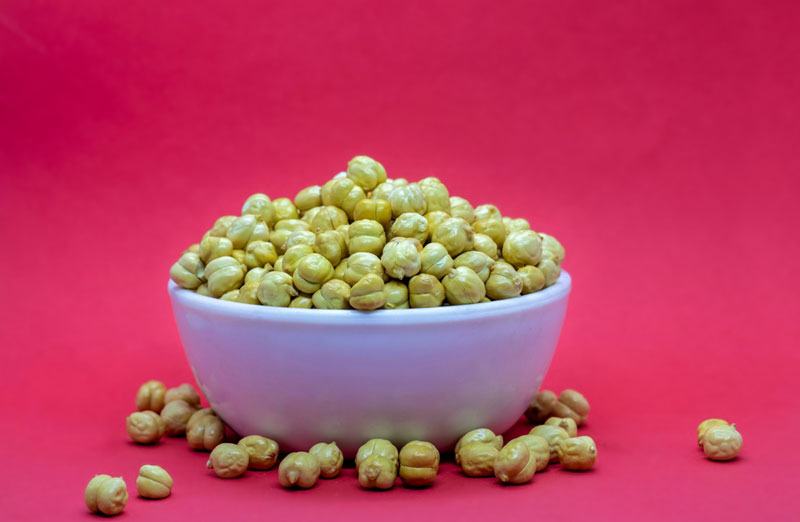
We all love our furry friends, and as cat owners, we often find ourselves wondering about their diet. One question that pops up is, “Can cats eat garbanzo beans?” Garbanzo beans, also known as chickpeas, are nutritious for humans, but what about our feline companions? The answer is a little complicated. While cats can technically eat garbanzo beans, they should not be a main part of their diet. Cats are obligate carnivores, meaning they need meat to thrive. So, while a few garbanzo beans here and there won’t harm your kitty, they shouldn’t be included in their regular meals.
This brings us to a bigger picture. While cats can nibble on a few beans, whether they should or not is the real question. Cats require specific nutrients that garbanzo beans simply don’t provide, despite being a good source of plant-based protein and fiber for humans. That’s why it’s important for us to understand the right types of food we can give our pets. We wouldn’t want to replace the tuna or chicken with beans that may not be beneficial for them!
So if you’re curious about how garbanzo beans can fit into your cat’s diet, the rest of this article will cover everything you need to know. From the benefits and dangers to how much you can safely offer your cat, let’s explore this topic together!
You might also be interested in: Can Cats Eat Chickpeas?
Can Cats Eat Garbanzo Beans?
When it comes to feeding our beloved felines, the question of whether cats can eat garbanzo beans is a common one. Garbanzo beans are a popular legume, packed with nutrients like protein, fiber, vitamins, and minerals. However, we need to remember that cats are obligate carnivores. This means their bodies are designed to process meat, which is essential for their nutritional needs. While there are some plant foods that can benefit our cats, legumes like garbanzo beans should not be a major component of their diet.
Garbanzo beans, in particular, can be difficult for our cats to digest. Their digestion system is not built for breaking down plant matter efficiently. If our cats were to consume a lot of garbanzo beans, it could lead to gastrointestinal upset, such as gas or diarrhea. This would be uncomfortable for them and could lead to more serious health issues. In smaller amounts, however, they can be offered as an occasional treat, ensuring they do not replace more nutritious cat food.
It’s crucial that we pay attention to our cat’s overall health and dietary habits. If we decide to introduce garbanzo beans, we should keep it to a minimum, ensuring that they remain the sidekick and not the main actor in our cats’ diets. This ensures they get a balanced and nutritious diet that keeps them happy and healthy! The key takeaway here is moderation; it’s always best to consult with our vet if we have any dietary questions regarding our furry friends.
How Much Garbanzo Beans Can Cats Eat?
Now that we know cats can consume garbanzo beans in small amounts, we need to address the all-important question: how much is too much? Cats are small and delicate creatures, and their tummies are not equipped to handle large portions of non-meat foods. Ideally, if we decide to give garbanzo beans to our cats, we should limit it to just a few beans at a time, maybe one or two per serving. This way, we can avoid the risk of digestive issues.
Before serving, make sure to cook the garbanzo beans thoroughly and serve them plain. That means no seasoning, salt, or spices! Our kitties have unique taste preferences that may not align with our love for bold flavors. The simplest preparation ensures that the beans are easier on their digestive system, making them a safer treat for our feline friends.
It is also crucial to observe our cat’s reaction after eating garbanzo beans. Some cats may experience stomach upset while others might enjoy the occasional treat, but we should always err on the side of caution. If our cats show any signs of distress, such as vomiting or diarrhea, we should refrain from giving them garbanzo beans in the future. It’s all about keeping our furry friends comfortable and happy!
For cats that do appear to enjoy a little legume snack, we can limit offering garbanzo beans to a few times a week. This creates a balance between giving them a special treat and ensuring that their main diet remains focused on high-quality cat food. We are all in this together, and making the right choices for our pets will help them live their best lives out there!
Benefits Of Garbanzo Beans To Cats
1. Plant-Based Protein: We all know protein is important for our furry pals, and garbanzo beans contain a good amount of plant-based protein. While cats primarily need animal proteins, a tiny bit from plant sources can provide variety. Protein is essential for maintaining healthy muscles and overall growth, especially in young cats. However, we should remember not to rely on these beans for the majority of their protein intake.
2. Fiber Content: Garbanzo beans are rich in fiber, which can be beneficial to regulate our cat’s digestion. Fiber aids in preventing constipation and helps keep their digestive system functioning smoothly. That being said, most of our cats will get all the fiber they need from high-quality cat food. So, while a touch of fiber can be helpful, it’s not a major selling point for us.
3. Vitamins and Minerals: They contain various essential vitamins and minerals, like vitamin B6, folate, and magnesium. Some of these nutrients can be beneficial for our cats in small amounts, promoting overall health. It is crucial, however, to ensure they get these from the right food sources rather than relying on beans as their primary nutrient source.
4. Interesting Texture: Our cats can be curious about textures, and garbanzo beans offer a different chew experience compared to their usual kibble or wet food. While they may not prefer the taste, some cats love the novelty of trying something new. Who doesn’t enjoy a little excitement in their diet? Just remember to keep things balanced.
5. Novel Treat Option: Lastly, introducing garbanzo beans in small amounts can be a fun and unique treat to our cats. Cats can get bored of the same food day in and day out, and providing them with something different can spark joy! Mixing their meals with a few safe snacks can add a little fun to their feeding routine, ensuring they enjoy mealtime as much as we love watching them eat!
Dangers Of Feeding Garbanzo Beans To Cats
While these little legumes might seem harmless, there are potential risks involved when it comes to feeding garbanzo beans to our cats. We want only the best for our furry companions. So, let’s dive into some of the dangers we should be aware of!
For starters, the most concerning risk is gastrointestinal distress. As obligate carnivores, cats have digestive systems that are not geared towards breaking down plant matter. Consuming too many garbanzo beans can lead to problems like gas, diarrhea, or even vomiting. If our cat frequently experiences these symptoms after eating beans, it’s best to cease offering them altogether and stick to meat-based treats.
Additionally, garbanzo beans provide very little nutrition compared to cat food. If cats start to fill up on treats like beans, they might not get the essential nutrients they require from their regular meals, leading to nutritional deficiencies in the long run. It’s essential to strike a balance between treats and solid meals to keep our cats healthy and thriving.
Lastly, some cats may be allergic to legumes. If we notice any signs of allergic reactions like itching, skin irritation, or difficulty breathing after our kitties consume garbanzo beans, it is best to seek immediate veterinary attention. Allergies can vary widely between individual cats, and we should be cautious with any new food items introduced to their diet.
Substitute Of Garbanzo Beans For Cats
1. Cooked Chicken: For a high-protein option cats will love, we can offer small pieces of cooked chicken. This will give them the nutrition they need without the risks associated with legumes. Plus, when we see those little purrs of happiness, it’s well worth it!
2. Tuna: Non-oily tuna makes a delightful treat for our adventurous felines. They usually gobble it up like it’s a five-star feast! Just be cautious with the amount because too much can lead to mercury build-up. So it’s best to limit it and keep their meals varied.
3. Catnip Treats: For something fun, catnip treats can be an excellent alternative. It’s safe and can provide a burst of excitement for our cats. With gorgeous greenery, who wouldn’t want their purring machine in an elated state!
4. Plain Cooked Fish: Occasionally, we can treat our kitties to some plain, cooked fish like salmon or shrimp. These options are high in protein, which our cats need to strengthen their muscles and spirits. The ocean experience at home – how thrilling!
5. Commercial Cat Treats: Lastly, opting for commercial cat treats is a safe and nutritious route to explore. They are specifically formulated to meet feline needs while keeping their taste buds happy. Since our cats have discerning tastes, providing them with options made just for them is always a hit!
Can Cats Eat Garbanzo Beans? Frequently Asked Questions
Are there any beans that cats can eat?
Beans, including garbanzo beans (chickpeas), aren’t toxic to cats, but they’re not appropriate foods for them. Cats are obligate carnivores and don’t need plant-based proteins or legumes. Even when fully cooked and plain, beans can be difficult for cats to digest and may cause gas or stomach upset.
What should I do if my cat ate too many Garbanzo Beans?
If your cat ate more than a small amount, monitor them closely for symptoms such as bloating, vomiting, diarrhea, gas, or discomfort. Ensure they have access to fresh water. If symptoms persist, worsen, or your cat seems unusually lethargic, contact your veterinarian for advice.
Can kittens eat Garbanzo Beans?
No. Kittens should not eat garbanzo beans. Their developing digestive systems require high-quality, animal-based proteins and balanced nutrients found in kitten-formulated food. Beans can interfere with digestion and displace essential nutrients during this critical growth stage.
How can I tell if my cat is allergic to Garbanzo Beans?
Allergic or sensitivity reactions may include vomiting, diarrhea, excessive itching, skin redness, swelling of the face or paws, or increased grooming shortly after eating. If you notice any of these signs, stop offering the food and consult your veterinarian for evaluation.
Is it better to focus on a veterinary diet for my cat?
Yes. A complete and balanced veterinary-approved cat diet is the best way to ensure your cat receives proper nutrition. These diets are specifically formulated to meet a cat’s unique needs, unlike human foods such as garbanzo beans, which offer no real health benefit and may cause digestive issues.
Final Thoughts
At the end of the day, while we can treat our cats to garbanzo beans occasionally, they shouldn’t become a staple in their diets. Along with the laughter and joy we experience with our furry friends, we should ensure they receive the love they deserve through proper nutrition. When in doubt, our veterinarians are always there to guide us in making the best choices. So, let’s keep our cats healthy and happy! If you’re interested in learning more about what foods are safe and unsafe for our furry friends, be sure to check out other resources such as Huston Veterinary Blog, or dive into what happens if cats eat green beans. Keep on exploring!