
Have you ever wondered if our furry feline friends can indulge in fruits? Cats are obligate carnivores, which means their diet primarily consists of meat. So can cats eat fruits, or will we be giving them a case of the hiccups? Surprisingly, yes, some fruits are safe for our little buddies!
Fruits can be a fun and nutritious treat for cats, but not all fruits are created equal. It’s crucial for us to know which fruits are safe and which ones are definitely off the menu. Understanding this can help keep our playful companions happy and healthy. Can you picture your kitty enjoying a small piece of watermelon or a slice of apple? It can be quite a fun sight!
Join us as we explore the world of fruits for cats. We will learn which fruits are safe, how much to give, the benefits, potential risks, and even some alternatives for our whiskered pals. So, let’s get started and find out how we can treat our furry friends!
You might also be interested in: Can Cats Eat Green Grapes?
Can Cats Eat Fruits?
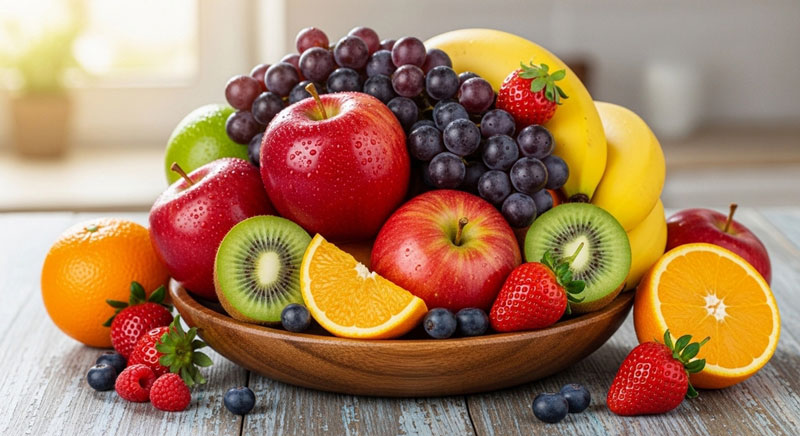
When it comes to cats and fruits, we have a lot to discuss. First off, it’s vital for us to recognize that cats are primarily meat eaters. Their bodies are designed to digest protein and fats from animal sources. As obligate carnivores, cats thrive on a diet rich in meat and have limited nutritional needs for fruits or vegetables. However, certain fruits can be enjoyed in moderation and may even offer some health benefits.
While it’s generally safe for cats to eat small amounts of specific fruits, we should always keep in mind that these treats should not make up a significant part of their diet. Cats are naturally curious, and they may find themselves sneaking a bite of our favorite snacks. Though some fruits can be offered as safe treats, we should never assume all fruits are safe. Some fruits can be toxic and dangerous for our pets.
Among fruits that are safe for cats are apples (without the seeds), blueberries, watermelon (without the seeds or rind), and bananas. Apple slices can provide a crunchy snack while being full of vitamins. Blueberries are not just great for us; they are also low in calories and packed with antioxidants, making them a little fruity boost for our felines. Watermelon can be particularly refreshing, especially during the hot summer months.
However, some fruits should be avoided altogether. Grapes and raisins are notorious for causing kidney issues in cats. Even if our furry friends look at us with those adorable eyes when they see us eating these fruits, we must resist the temptation to share. Peaches, cherries, and avocado can also pose dangers due to their pits or seeds, which can cause choking or digestive blockages. Always remember that moderation is key, and it’s necessary to introduce any new food gradually.
How Much Fruits Can Cats Eat?
Understanding how much fruit we can safely give our cats is just as crucial as knowing which ones they can eat. A common mistake many cat owners make is assuming that just because a fruit is safe, it can be enjoyed in unlimited quantities. Cats have sensitive stomachs, and too much fruit can lead to digestive upset.
When introducing fruit into a cat’s diet, it’s wise to start with small amounts. A few small bites or a slice can be a great way to gauge how our kitty reacts to the fruit. If our furry friends enjoy the taste and do not show any signs of stomach upset, we can gradually increase the amount. However, it is essential to keep portions small, as treats should only make up about 10% of their daily caloric intake.
As kittens grow, their taste for fruits will also evolve. We can explore a variety of fruits while monitoring our cats for any adverse reactions. Some might love the soft texture of a banana, while others may prefer the crunchiness of an apple. Our task as responsible cat parents is to ensure that we provide a balanced diet tailored to their needs.
Always remember to prepare fruits correctly. For instance, wash them thoroughly and remove any seeds, core, or rind. These parts can pose choking hazards or lead to digestive issues. When it comes to fruits like watermelon, cutting it into small, manageable pieces can help our cats munch safely. Just imagine our cat’s delight when they nibble on a deliciously juicy piece!
If we ever notice anything unusual after offering fruit, such as vomiting or diarrhea, it is best to consult our veterinarian. Every cat is unique, and what works for one may not work for another. Pet care can be a three-ring circus, and we want to make sure our furry companions are well taken care of. So, keep it small, keep it safe, and keep it juicy!
Benefits Of Fruits To Cats
1.Rich In Antioxidants: Giving our cats fruits can provide various vitamins and minerals that are beneficial to their health. For instance, fruits like blueberries are rich in antioxidants, which can help combat free radicals and support a healthy immune system.
2. Stay Hydrated: Adding fruits to our pets’ diets can contribute to hydration. Many fruits, like watermelon, have high water content. This can be a great way to ensure our cats stay hydrated, especially during hot weather or if they tend to avoid drinking water. It’s a sneaky way to boost their water intake!
3. Boosts Appetite: Fruits can also add variety to our cats’ diets. Just as we can get bored eating the same foods, our cats can also benefit from the excitement of new tastes and textures. Occasionally offering small fruit pieces can make their meals more interesting and enjoyable.
4. Aids In Digestion: Some fruits contain natural fiber, which aids in digestion. A good digestive system is essential for our cats, and offering fruits like apples or pears in limited quantities can support healthy digestion and prevent constipation.
5. Strength Bond: Different fruits can also serve as rewards during training or playtime. Instead of reaching for a bag of treats, we can offer a small piece of fruit as a special reward. This can help strengthen the bond between us and our kitties, making play and learning times even more enjoyable!
Dangers Of Fruits To Cats
While fruits can offer various benefits, we must be cautious and aware of the risks involved. Understanding the potential dangers can help us keep our furry friends safe and healthy.
The most critical risk to consider is that some fruits are toxic to cats. Grapes and raisins are notorious for causing kidney damage in our feline companions, so we must never share them. Even a small amount can lead to serious health concerns. If we ever see our cats munching on these fruits, we should contact our veterinarian immediately.
Certain fruits come with pits and seeds, which are harmful and pose choking hazards. Cherries and peaches, for example, contain pits that can obstruct a cat’s digestive system. Removing these parts before offering any fruit is critical for keeping our furry friends safe.
Additionally, introducing fruits too quickly or in excessive quantities can lead to digestive upset. Cats can experience stomachaches, diarrhea, or vomiting after consuming too much fruit. It’s always best to start with small portions and increase them gradually while observing our kitties’ reactions.
We must also be aware that some cats may have allergies or sensitivities to specific fruits. Signs of allergic reactions may include itching, swelling, or gastrointestinal issues. If we notice any unusual behavior or symptoms after giving our cats fruit, it’s wise to discontinue offering that fruit and consult a veterinarian.
In summary, understanding the risks and potential dangers of feeding fruits to our cats is essential. With the right knowledge and practices, we can ensure that treat time is fun and safe for our furry companions.
Substitute Of Fruits For Cats
1. Vegetables: If your cat doesn’t seem to enjoy fruits or if you’re worried about the risks, consider offering vegetables instead. Some cats enjoy small amounts of cooked sweet potato or pumpkin. These alternatives are nutritious and safe!
2. Catnip: If you’re looking for a treat similar to fruits, consider catnip. Many cats can appreciate catnip equally, and it can offer loads of fun. Catnip can be a great source of play and joy!
3. Cooked Meats: Another option is to offer little bites of cooked meats. Chicken or turkey treats can be a hit with our feline friends, giving them the protein they love while also ensuring they are getting a treat that matches their dietary needs.
4. Freeze-Dried Treats: are another fun alternative. These are usually meats but can provide a crunchy texture that some cats might enjoy. They are often high in protein and low in calories, making them a healthier option.
5. Fruits: Lastly, if you still want to incorporate the idea of fruits in your cat’s diet, look for specially formulated cat treats that include fruit. These treats are designed with our pets’ dietary needs in mind, providing some of the fruity flavors our cats can safely enjoy.
Can Cats Eat Fruits? Frequently Asked Questions
Can All Cats Eat Fruits?
Not all fruits are safe for cats. While some cats can enjoy small pieces of fruits like blueberries or watermelon, other fruits can be toxic. Always research and ensure you’re only offering safe options.
How Do I Know If My Cat Is Allergic To Fruit?
Look for signs such as itching, swelling, or gastrointestinal troubles. If you suspect an allergy, stop giving the fruit and consult with your veterinarian for guidance.
Can Kittens Eat Fruits Too?
It’s best to wait until kittens are older before introducing fruits. Their digestive systems are still developing, so introducing fruit should be done with caution and in small amounts.
How Often Can I Give My Cat Fruit?
Fruits should only be a small part of your cat’s diet. Treats, including fruits, should account for about 10% of your cat’s daily food intake, so keep the servings small!
What Are Some Safe Fruit Options For My Cat?
Some safe options include apples (without seeds), blueberries, and watermelon (without the rind). Always remember to prepare the fruit correctly and offer it in moderation.
Final Thoughts
Feeding fruits to our furry friends can be a delightful and enjoyable experience that allows us to bond while also offering them new tastes and textures. By understanding the safe options, portion sizes, benefits, and risks, we can make informed decisions on our cat’s diet.
As we explore more topics about our companion animals, remember to keep an eye on what we feed them! Curious about other fruit like dragon fruit for cats? Check out Can Cats Eat Dragon Fruit? for more information.
With the right knowledge, we can ensure that our furry companions are happy and healthy. So let’s keep being responsible, loving pet owners, and enjoy making mealtime a fun adventure for our beloved cats!