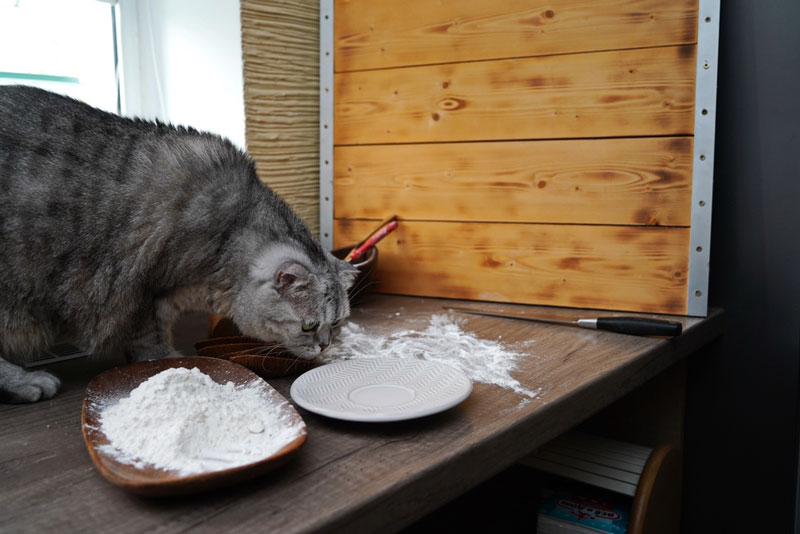
Have you ever wondered if your furry friend, the cat, can enjoy a little bit of flour? You might be surprised to learn that while cats are carnivores, they can technically eat flour in small amounts. However, it doesn’t mean we should be throwing flour onto their dinner plate as if they are getting gourmet treats. Cats don’t really want or need flour, but if they accidentally ingest a tiny bit from our cooking adventures, they’re usually fine. Keep reading to find out more about this topic that can get a little tricky!
Flour is often a key ingredient in various human foods, from baked goods to pasta. While we may enjoy indulging in these treats, our feline friends have a different dietary need. Cats primarily thrive on protein, and since their cute bodies are designed to process meat, flour doesn’t hold the same appeal or nutritional value for them. If you’re concerned about your kitty’s diet, you’re not alone! It’s always good to know what’s safe for cats to munch on in addition to their regular cat food. Let’s dive deeper into the topic!
The world of pet nutrition can sometimes feel overwhelming. We all want the best for our pets, and it helps to be informed about what foods are acceptable to share with them. If you’ve been curious about flour and its place in a cat’s diet, stick around! We’re going to explore the questions surrounding flour and our furry companions. We’ll answer your burning questions and hopefully provide some valuable insights that can help you keep your feline friend happy and healthy!
You might also be interested in: Can Cats Eat Garlic Powder?
Can Cats Eat Flour?
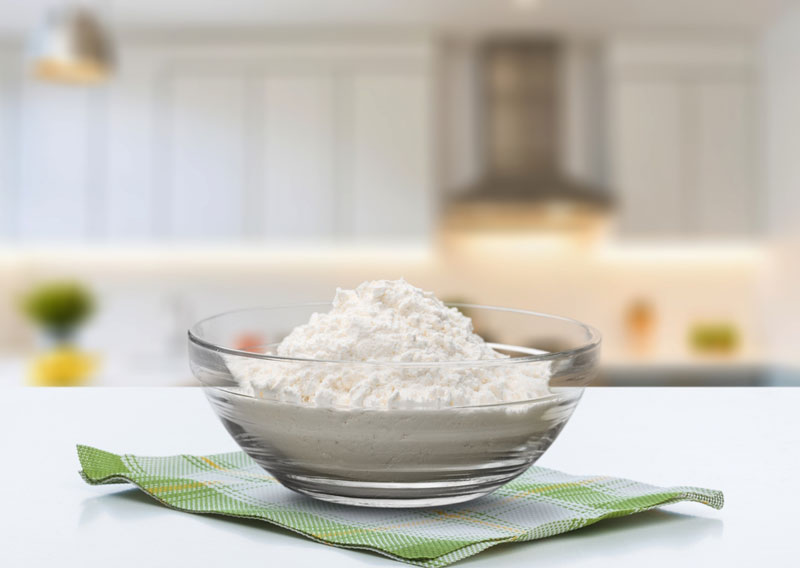
Cats are unique creatures with specific dietary needs. Being obligate carnivores, their bodies require nutrients primarily found in animal flesh. This means that while your kitty might be curious and even give flour a sniff, it’s not something they truly need. If your cat were to stumble upon a dusting of flour while you made cookies, they may lick it or even ingest a tiny amount. However, it’s more like a taste test than a meal choice.
The reality is that flour is a carbohydrate source, and cats have limited ability to digest carbohydrates. Most of their energy should come from proteins and fats, which are abundant in meats. So, while a cat might not get sick immediately from eating flour, it doesn’t provide them with any real benefit. Long-term exposure to inappropriate foods – including flour – could lead to health issues for our beloved pets.
How Much Flour Can Cats Eat?
If we find ourselves in a situation where a little flour is accidentally consumed, let’s take a moment to breathe easy. Cats often exhibit some interesting eating habits, and usually, a small amount won’t cause an immediate response! If your cat sneaks a lick of flour, it’s generally not a cause for concern. However, moderation is the key here! While it may seem fun to share some food with our pets, it is crucial not to make flour a regular part of their diet.
In general, feeding your cat bits of flour isn’t recommended, and any amounts larger than a small lick are better avoided entirely. Nothing good usually comes from sharing human food with cats, especially when those foods are not explicitly formulated for them. If you want your cat to dine in style, stick to treats made for felines!
Create an environment where your furry buddy can thrive without the temptation of flour or other inappropriate foods. Keep all baking items out of reach to prevent curious little paws from getting a taste. If your cat does ingest a bit too much flour, keep an eye on their behavior. If they display any signs of discomfort, it’s time to reach out to a veterinarian. Always better safe than sorry!
Benefits Of Flour To Cats
1. Thickening Agent: Believe it or not, there could be some benefits to flour for cats, although they are minimal. As mentioned, cats are carnivores. However, flour can occasionally act as a thickening agent in some cat treat recipes, making the treats a bit more appealing when mixed with tasty meat filings. This does not mean we should offer it to them directly!
2. Binder: A little flour can act as a binder if we are creating homemade treats for our fur babies. DIY treats made with safe and suitable ingredients can help ensure our pets enjoy their snack time without worrying about fillers and other harmful ingredients.
3. Variety in Diet: If you’re creative and love to cook, there are plenty of cat-friendly recipes that incorporate minimal flour, alongside meat and healthy fats for the purpose of providing variety in their diet!
4. Helps Create Treats: In some instances, cat owners may find that small amounts of flour mixed with healthy ingredients can help create homemade cat food options, which can be a fun way to bond and cater to their dietary needs.
5. Bonding Moment: Let’s keep it real: it’s always a fun experience cooking alongside our pets, even if it means using flour to create something special for them. It’s a bonding moment that we can enjoy together, as we whip up something tasty and nutritious!
Dangers Of Feeding Flour To Cats
While we can share some fun facts about flour and its occasional use in pet treats, we must never forget the warnings that accompany it. There are distinct risks associated with giving flour to cats that we need to address.
One significant risk is the potential for gastrointestinal upset. Our feline friends have sensitive stomachs, and if a cat eats too much flour, it could lead to diarrhea or vomiting. Flour doesn’t contribute any real nutritional value to their diet, which makes it a risky addition.
Additionally, if a cat has a food allergy or intolerance to wheat — which is a common ingredient in most flours — feeding it to them could lead to serious problems down the line. Any sudden changes in their diet can cause an upset tummy, making them uncomfortable and quite unhappy!
Another danger in exposing our cats to flour is that it can easily lead to obesity. Cats can quickly pack on the pounds if they start eating unnecessary carbohydrates without proper exercise. Keeping your kitty active is essential for overall health, and it’s vital to ensure they’re receiving the proper diet.
Lastly, let’s not forget the importance of being aware of any allergenic reaction. Similar to humans, cats can also develop allergies to certain sources of food. It’s crucial to monitor their physical responses to anything new they may consume, including flour.
Substitute Of Flour For Cats
1. Oatmeal or Brown Rice Flour: If you feel determined to make something special for your cat, look for substitutes that are known to be safe. For avid bakers, oatmeal or brown rice flour could be a safer alternative, but always check for allergies before swapping out common ingredients!
2. Meat-based Recipes: Alternatively, you might consider using meat-based recipes, which are a nourishing way to prepare treats for our cats while ensuring they are tasting delicious meals that closely match their natural diet.
3. Commercially Cat Treats: For those who prefer to skip the baking altogether, check local pet stores or online for commercially available cat treats that are specifically formulated for feline needs. They are usually a much better choice than any flour creations!
4. Vet Recommendations: When in doubt, consult your veterinarian for recommendations on suitable diet alternatives to flour. They can help guide you in providing a balanced and nutritious meal plan that best suits your pet’s needs.
5. Protein-based Meals: Keep pasta and bread away from kitty’s dinner as they should primarily be enjoying the benefits of protein-based meals. Leave the human foods on the counter where they belong – for us humans, not our cats!
Can Cats Eat Flour? Frequently Asked Questions
Can My Cat Eat Raw Flour?
No. Raw flour is not safe for cats. It can contain harmful bacteria such as E. coli or Salmonella, and it offers no nutritional benefit. Inhaling or ingesting flour can also irritate your cat’s mouth, nose, and digestive tract.
Could Flour Cause My Cat To Gain Weight?
Yes. Flour is high in carbohydrates, which cats don’t need. Regular exposure through baked goods or dough can contribute to unnecessary calorie intake, weight gain, and poor nutrition over time.
Should I Give My Cat A Small Taste Of My Baked Goods?
It’s best not to. Baked goods often contain flour along with sugar, butter, oils, dairy, and sometimes chocolate or artificial sweeteners—all of which can be harmful or upsetting to cats. Even small “tastes” can encourage unhealthy eating habits.
What If My Cat Licks Flour From The Countertop?
If your cat only licks a tiny amount of flour, it’s unlikely to cause serious harm. Offer fresh water and watch for signs of coughing, sneezing, vomiting, or stomach upset. If symptoms occur or your cat ingests a larger amount, contact your veterinarian.
Are There Any Healthy Flour Alternatives For My Cat?
Cats don’t need flour or flour alternatives at all. Instead of baked treats, offer cat-safe options like veterinarian-approved cat treats, freeze-dried meat snacks, or small pieces of plain cooked meat. These choices support your cat’s health far better than any flour-based food.
Final Thoughts
In conclusion, while our furry friends can technically eat flour, it’s not advisable to make it a part of their diet! Cats thrive best on protein-rich foods specific to their needs. Sharing bits of flour isn’t really beneficial for our beloved cats; rather, it’s better left for our baking activities.
Let’s ensure we keep our pets healthy and happy by choosing furry-friendly alternatives! For more fascinating insights about pet nutrition and health, we encourage you to read more about what makes great snacks for cats and learn about other foods that our pets should avoid. Check out resources like can cats eat noodles or explore what cats can eat safely. Getting informed together ensures our pets receive the best care and diet tailored for their unique needs!