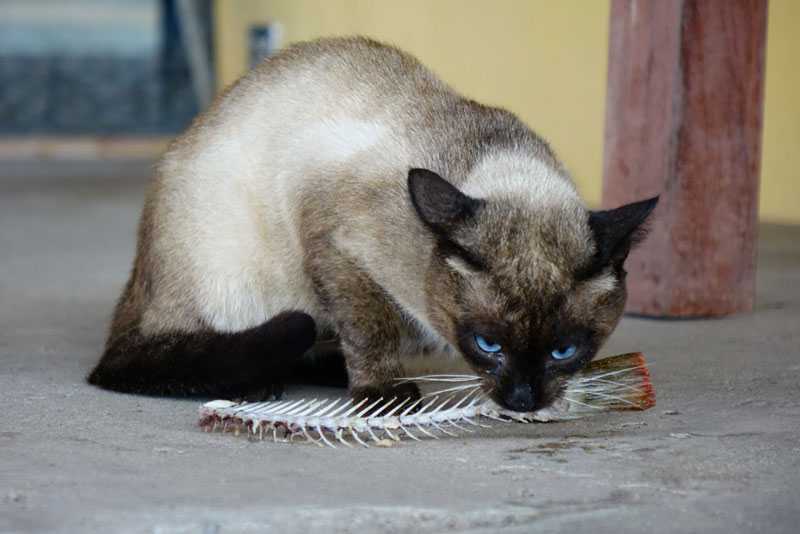
Can cats eat fish bones? This is a common question among cat owners, and it is a good one. Cats can be quite curious when it comes to food, especially fish. While fish is often a healthy option for our feline friends, the bones can pose some risks. So, can cats handle fish bones? The answer is a bit complicated.
On one hand, cats are natural hunters and often eat whole animals, including fish, in the wild. This means they are equipped with the natural instinct to tackle small bones. However, not all fish bones are created equal, and many can lead to choking or serious injury. Understanding the best practices is essential to ensuring our furry buddies stay safe.
Keep reading as we explore whether cats can eat fish bones safely, the risks involved, the benefits of feeding fish to cats, and some alternatives. Your cat’s health and happiness are worth it!
You might also be interested in: Can Cats Eat Fish Skin?
Can Cats Eat Fish Bones?

When it comes to feeding fish to our felines, we think about how much they absolutely love it. Just the sound of a can of tuna opening can send them sprinting into the kitchen. But here we must ask ourselves – what about the bones? Can they safely eat fish bones? The short answer is that while some fish bones can be safe for cats, many can actually be dangerous.
In the wild, a cat would catch and consume fish whole, bones and all. This is where their instinct kicks in, and they have a stronger ability to manage small bones. However, domesticated cats have a different lifestyle. Our cats don’t usually have to hunt or deal with bones in the same way that cats in the wild do.
Cooking fish can soften the bones, making them easier for cats to chew and swallow. However, it does not eliminate the risk. Some fish bones can splinter, and this is where the danger lies. If splintered bones get lodged in a cat’s throat, stomach, or intestines, it could lead to serious health problems, including choking, internal bleeding, or damage to their digestive system. For this reason, it is best to avoid feeding fish bones to our cats altogether.
When we offer fish to our furry companions, it is important to prepare it safely. Removing all bones before serving is the safest way to prevent any choking hazards or injuries from sharp bones. If you are unsure or if the fish has large bones, it may be best to stick with boneless fish options or commercially prepared cat food with fish as an ingredient.
How Much Fish Bones Can Cats Eat?
When figuring out how much fish to offer our felines, it is essential to keep in mind that moderation is key! If we decide to share fish with our cats, we shouldn’t go overboard. Fish should primarily be an occasional treat rather than a regular meal. Cats require a balanced diet primarily consisting of high-quality cat food.
So, how much fish can a cat eat? Generally, it is safe to offer your cat small amounts of fish, approximately one or two small bites, once a week. We want to make sure that our felines experience the joy of eating fish without endangering their health.
While fish, like salmon or tuna, can be healthy and packed with nutrients, it does have some potential downsides if consumed in excess. Some fish, particularly large species, can have high levels of mercury, which can be toxic to cats. So, variety is important. One week you might serve salmon, and the next a bit of sardines, just remember the quantity.
In terms of fish bones, as previously mentioned, the best approach is to avoid them altogether. Even if a bone seems small or soft, it is better to be safe. Oversight is vital, and any sign of distress or choking should lead us to the vet immediately. Keeping our cat’s treats limited to safe options will ensure their ongoing health.
This leads us to consider how we can replace fish with other healthy options or think about occasionally adding cat-specific fish products instead. These are designed for cats, ensuring they get flavors they crave without any risks to their health.
Benefits Of Fish Bones To Cats
1. A Source of Healthy Protein: Fish is a great source of protein, and we know that our cats need protein to thrive. Just like us, they need nutrients that keep them energized, strong, and healthy. The protein found in fish helps build and repair tissues and muscles. Including fish in their diet can be a fun way to help them stay healthy.
2. Omega-3 Fatty Acids
Fish is rich in omega-3 fatty acids, which are important for a cat’s coat and skin. Including fish in moderation can lead to a soft and shiny coat. We all love to pet our cats and feel their beautiful fur, so adding some fish can be a wonderful way to promote a healthy and vibrant coat.
3. Flavor Variety: Cats can become bored with eating the same meals. Introducing fish occasionally can provide that flavor variety that keeps them excited about mealtimes. When cats look forward to their meals, they exhibit a happier disposition, which is a benefit for us too!
4. Digestive Health: Some fish are easier for cats to digest. By offering fish without bones, their digestive systems can process this protein source without stress. A healthy digestive system leads to better nutrient absorption, which means our cats get the most out of their food.
5. Hydration: Fish has a high water content, which contributes to our cat’s overall hydration. Especially for those cats who are picky and don’t drink enough water, fish can help maintain their hydration. This is especially important for their urinary health.
Dangers Of Feeding Fish Bones To Cats
While we’ve talked about the benefits of sharing fish, it’s crucial we don’t overlook the dangers involved with feeding fish bones to our cats. Ignoring potential risks can lead to significant issues, and we must stay informed.
The first and foremost risk is choking. Fish bones can easily get stuck in a cat’s throat, which can create a terrifying situation. If our kitty begins coughing, gagging, or is unable to breathe, immediate action is needed.
In addition, sharp fish bones can splinter and cause internal injuries. If a bone gets lodged in the stomach or intestines, it can cause some severe complications. This can lead to abdominal pain, vomiting, and even life-threatening conditions that may require emergency surgery. We never want to put our furry friends in harm’s way, so avoiding fish bones altogether is the best course of action.
Another potential concern is the mercury content. Certain types of fish have varying levels of mercury, which can accumulate over time and lead to health issues. While a small amount of fish is generally safe, frequent consumption can lead to toxicity. We must remain alert to which fish we offer and how often we include it in our cat’s diet.
Finally, some cats may have allergies or sensitivities to fish. Keeping an eye out for any adverse reactions is essential, especially if fish is new to their diet. This could range from simple digestive upset to more severe health issues.
Substitute Of Fish Bones For Cats
1. Cooked Chicken: Cooked chicken is a fantastic alternative to fish. It offers a high-quality protein source without the risks of choking on small bones. We can shred some cooked chicken and serve it to our cats as a tasty treat!
2. Commercial Cat Food with Fish: Many commercial cat food brands incorporate fish flavors without including any bones. These products are specially formulated to meet a cat’s nutritional needs. We can often find great products that provide the taste our kitties love while keeping them safe.
3. Canned Pumpkin: Canned pumpkin is another great substitute, full of fiber. It supports digestive health and can be a delightful addition to our cat’s diet. We can offer a small spoonful as a treat or mix it with their food.
4. Cat Treats with Fish Flavor: Many companies provide fish-flavored cat treats that are designed for our feline friends. These treats offer the fishy taste they crave, without the dangers of bones. A perfect combination of flavor and safety!
5. Small Amounts of Cooked Salmon: Sometimes, we can offer small pieces of cooked salmon to our cats. Just remember to skip the bones and ensure it is cooked without additives. This keeps our kitty happy and maintains our peace of mind!
Can Cats Eat Fish Bones? Frequently Asked Questions
Can Cats Eat Raw Fish?
Raw fish can be unsafe due to potential bacteria and parasites. While some cats may enjoy it, cooking the fish first is always the safer choice to avoid any health risks.
Is It Safe To Feed My Cat Canned Tuna?
Canned tuna can be safe in moderation, but it shouldn’t be the primary food source. It’s best to choose water-packed tuna and limit the frequency.
What Should I Do If My Cat Eats Fish Bones?
If your cat accidentally eats fish bones, keep an eye on them for any signs of distress. If they appear to be struggling, contact your vet immediately.
Are There Any Fish That Cats Should Not Eat?
Cats should avoid large fish like shark or swordfish due to higher mercury levels that may pose health risks.
Can All Cats Eat Fish?
Most cats can eat fish, but some may have allergies. If you’re unsure, introducing fish slowly to their diet is always best practice.
Final Thoughts
When considering whether our beloved cats can eat fish bones, the risks far outweigh any potential benefits. While fish is a tasty treat that offers a few health benefits, safety is our top priority. We want to ensure our furry friends enjoy their meals without any danger!
If you’d like to learn more about what is safe and what is not for our feline friends, feel free to explore additional topics such as pet nutrition, the question of can cats eat tilapia. We’ve got plenty of information to help keep our furry companions happy and healthy!