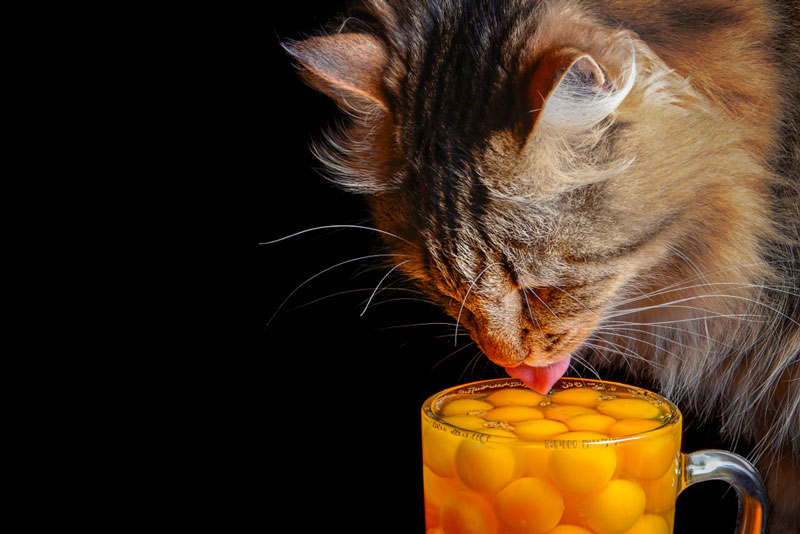
Can cats eat egg yolk? This is a question that many cat owners ponder, wanting to know if sharing this delightful treat with their furry friends is safe. The answer is yes, cats can eat egg yolk in moderation! Just like us, cats can enjoy a little tasty treat now and then, and egg yolk can be a nutritious addition to their diet.
Egg yolks are packed with protein and various vitamins, making them a tempting snack for our purring buddies. However, with any human food, moderation is key. While cats can indulge in a bit of egg yolk, we must pay attention to the balance of their diet to ensure they receive all the nutrients they need for a healthy life.
If you’re curious about the benefits and risks of feeding your cat egg yolk, or how much is safe to give them, stick around! Let’s explore the wonderful world of egg yolks and our feline friends!
You might also be interested in: Can Cats Eat Egg Whites?
Can Cats Eat Egg Yolk?
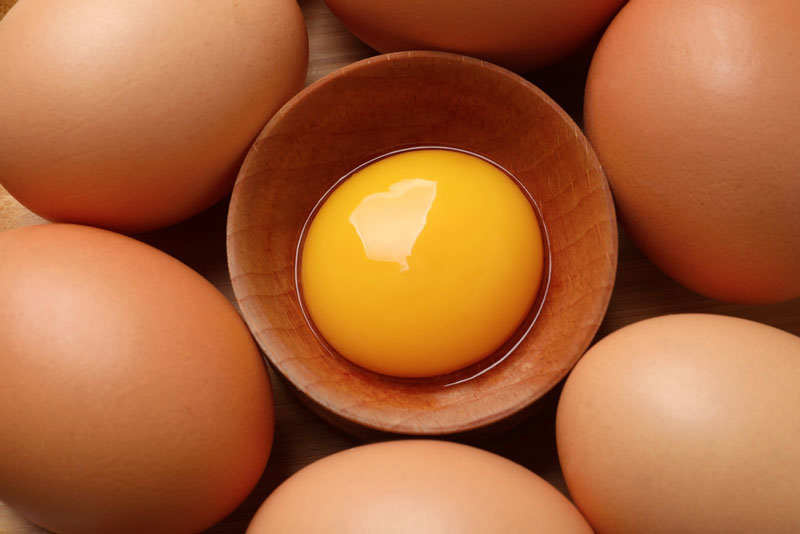
Absolutely! Cats can eat egg yolk. It’s a great source of protein and loaded with vitamins that can benefit our cats’ health. That being said, we need to remember that cats are obligate carnivores, which means they rely primarily on meat for their nutrition. So, while egg yolk can be a fun treat, it shouldn’t replace their regular cat food, which is specifically formulated to meet their unique dietary needs.
Egg yolk contains many healthy nutrients including vitamin A, vitamin D, and vitamin B12. These vitamins play vital roles in our cats’ bodily functions. Vitamin A is essential for vision and keeps their skin healthy. Vitamin D aids in calcium absorption, ensuring strong bones. Vitamin B12 is crucial for a healthy nervous system and proper red blood cell formation. When we consider these benefits, it’s no wonder many cat owners might want to share a little egg yolk with their beloved furballs!
However, it’s important to prepare the egg correctly. We shouldn’t feed our cats raw eggs as they can carry bacteria like salmonella, which can lead to serious health issues. The best way to serve egg yolk to our cats is by cooking it thoroughly, either by boiling or scrambling it without any seasoning. This way, we know it’s safe and still packed full of the nutrients that can support their health.
How Much Egg Yolk Can Cats Eat
When it comes to how much egg yolk we can give our cats, moderation is key! Remember, while it is beneficial, overindulgence can lead to issues such as an upset stomach or obesity due to the higher fat content of egg yolks. It is important that we treat this food as an occasional snack rather than a regular part of their diet.
A good rule of thumb is to limit egg yolk to just a few times a week, and only a small portion at a time—about half of a yolk for an average-sized cat is typically enough. To give you a better sense of serving, if we were to cook a whole egg, just take the yolk and divide it, serving half of it as a little treat to our feline friend. This way, we can ensure they enjoy the tasty goodness without overwhelming their systems.
It’s also wise to observe our cats after eating new foods. If they seem to have an upset tummy, or if there are any unusual symptoms, we should refrain from giving them egg yolk in the future. Each cat is different, and what works for one might not be great for another. So, let’s pay attention and adapt based on how our fluffy companions respond.
Also, if you have a kitten or a senior cat, the amount may need to be adjusted further, as their dietary needs might be different. Kittens are growing and need specific nutrients, while senior cats may have different health concerns that require a more careful approach to their diet.
Benefits Of Egg Yolk To Cats
1. Rich in Nutrients: Egg yolks provide a plethora of vitamins and minerals essential for a cat’s overall health. The combination of protein, healthy fats, and vitamins A, D, and B12 can significantly contribute to maintaining a shiny coat, strong bones, and overall vitality.
2. Protein Source: Cats often need more protein than humans do. Egg yolks can act as an additional protein source that helps maintain muscle mass, especially for active and playful felines. We can think of it as an excellent energy booster that can keep our cats lively and cheerful.
3. Great for Skin and Coat: Egg yolks can help improve the health of our cats’ skin and coat. The fatty acids found in yolks provide moisture and shine, leading to a luscious and healthy fur appearance. A well-groomed cat is a happy and confident cat!
4. Easy to Digest: For many cats, egg yolk is easy to digest when cooked. This can be particularly beneficial for cats with sensitive stomachs or those recovering from health issues. We can offer the yolk to encourage them to eat when they don’t seem interested in their usual food.
5. Tasty Treat: Let’s be honest, it’s lovely to see our cats happily munching on something that seems to resonate with their taste buds! Egg yolks can whip up excitement at mealtime, turning an ordinary feeding routine into a delightful experience as our little companions chow down on deliciousness.
Dangers Of Feeding Egg Yolk To Cats
While egg yolks have many benefits, we cannot ignore the potential risks associated with feeding them to our cats. As responsible pet owners, understanding these risks allows us to make informed decisions about our furry friends’ diets.
The first concern is the risk of salmonella. Just as with raw eggs for humans, egg yolks should never be offered raw to cats. Cooking the yolks thoroughly can eliminate harmful bacteria that could upset your cat’s digestive system. Always remember to cook it properly and avoid seasonings, which can be harmful to cats.
Another risk is the fat content. While some fat is good, too much can lead to obesity and associated health problems for our feline friends. If we notice our cats starting to gain weight, it may be best to limit the size of the egg yolk portion or find healthier alternatives.
Allergies are another consideration. Some cats may show signs of food allergies, which could include itching, vomiting, or diarrhea. We should always observe for any adverse reactions after introducing new foods. If our cats display any signs of distress after eating egg yolk, we need to stop offering it immediately and consult with a veterinarian.
Additionally, for cats with pre-existing medical conditions or those on special diets, it’s important to check with a veterinarian before introducing egg yolk to their diet. They may have specific dietary restrictions that would make egg yolks unsuitable for them.
Substitute Of Egg Yolk For Cats
1. Cooked Fish: A delicious option that many cats love is cooked fish. High in omega-3 fatty acids, fish can provide excellent health benefits without the risks associated with egg yolk.
2. Cooked Chicken: Chicken is another protein-rich alternative. Just like egg yolk, we must ensure it is cooked thoroughly and served without seasoning to maintain safety and flavor.
3. Cat-Safe Treats: There are various commercially available cat treats that are specifically formulated to meet our cats’ dietary needs. We can find high-protein treats that serve as a great snack while ensuring that our cats stay healthy.
4. Plain Yogurt: In small amounts, plain yogurt can be a nutritious alternative. It offers probiotics that can aid digestion, but again, moderation is essential because some cats may be lactose intolerant.
5. Pumpkin: This is a surprising alternative! Pureed pumpkin can offer fiber and is good for digestion. It’s a great way to provide health benefits while keeping our cats intrigued by their food.
Can Cats Eat Egg Yolk? Frequently Asked Questions
Can Kittens Eat Egg Yolk?
Yes, but with caution. Kittens are growing and have specific dietary needs, so any new food should be introduced carefully and in small amounts. It’s also important to consult with a veterinarian before introducing egg yolk to ensure it supports their development.
Is It Safe To Feed Cats Raw Egg Yolk?
Feeding cats raw egg yolk is not safe due to the risk of salmonella. Always cook the yolk thoroughly before giving it to our cats to eliminate harmful bacteria.
How Often Can Cats Eat Egg Yolk?
It’s best to limit egg yolk to a few times a week, offering only a small amount each time. This will help to avoid overwhelming their system while still allowing them to enjoy this tasty treat.
What Symptoms Should I Look For If My Cat Has A Bad Reaction?
If our cats show signs of itching, vomiting, diarrhea, or any unusual behavior after consuming egg yolk, we should withhold it in the future and consult with a veterinarian.
Are There Any Health Benefits To Egg Yolk For Older Cats?
Yes, egg yolk is high in nutrients that can benefit older cats, including proteins and fatty acids that can help maintain their coats and muscle mass. Again, moderation is crucial!
Final Thoughts
It is safe to say that egg yolk can serve as a delightful treat for our feline friends when offered in moderation. With a myriad of nutritional benefits, it can enhance their diets and turn mealtime into a fun experience. Nonetheless, we must remain vigilant regarding the risks and ensure that our cat’s diet remains balanced and healthy.
We can always approach feeding our pets with love and caution. By being aware of their specific needs and preferences, we can ensure they have the happiest and healthiest lives possible. For those curious about what other foods our furry friends can enjoy, I encourage you to check out more topics, such as can cats eat egg shells? or can cats eat nuts?. There are countless wonderful aspects to discover in the journey of being a pet owner!