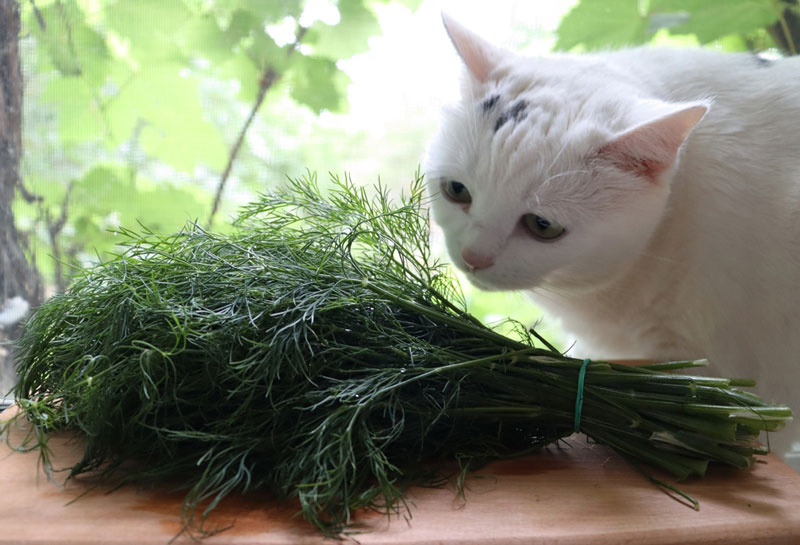
Have you ever wondered if our furry feline friends can munch on a tasty herb like dill? The good news is that yes, cats can eat dill! While it is not a common ingredient for their diet, dill is not toxic to cats and can actually offer some health benefits when given in moderation. Just picture your cat curiously sniffing around a dill plant or maybe even nibbling on a sprig during your cooking adventures!
It’s delightful to know that many herbs, like dill, can be part of our pet’s culinary exploration. Dill is loved by humans for its unique flavor and aroma, and any time we can share safe and healthy food options with our pets, it brings us joy. However, let’s remember that a little goes a long way. Cats have specific dietary needs, and while dill isn’t harmful, it shouldn’t replace their balanced diet.
So, if you’ve been wondering about adding a green touch to your cat’s life, we’re excited to share more about dill and how it can fit into your kitty’s menu. Stick around as we uncover important information about the benefits, how much is safe, and any potential risks of feeding dill to our beloved cats!
You might also be interested in: Can Cats Eat Sage?
Can Cats Eat Dill?
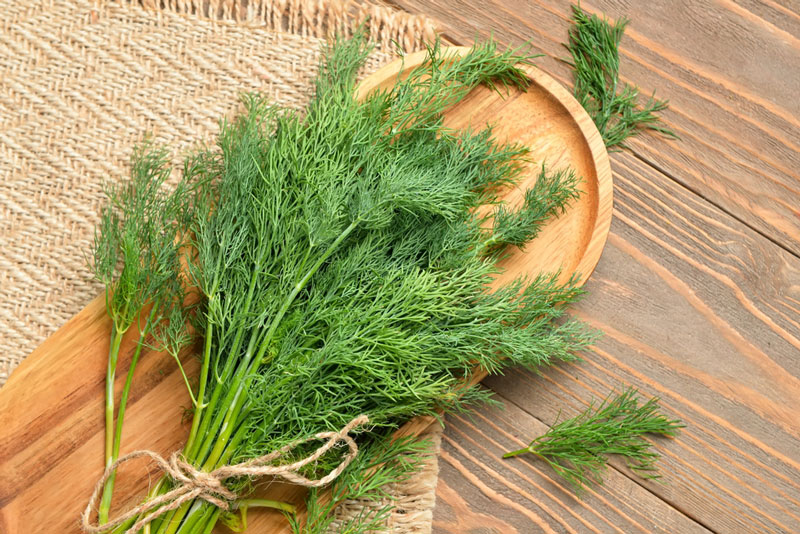
We all know that cats are creatures of habit and have their own unique preferences. When it comes to herbs like dill, we can’t help but wonder if it is suitable for our feline companions. Dill, an aromatic herb commonly used in cooking, is not known to be a staple in a cat’s diet. However, it’s reassuring to learn that it’s not harmful! In fact, dill can be safe for cats to consume in small amounts.
As cat owners, we often dance around the question of what our furry friends can or cannot eat. Cats are obligate carnivores, meaning their diet should primarily consist of animal protein. They thrive on meats, fish, and poultry, but it never hurts to throw in a little variety now and then. Dill, when introduced properly, could be a fun and flavorful addition that’s safe for them. Many cats love to explore new smells, and dill is certainly aromatic and enticing!
It is worth noting that while some herbs can bring health benefits, they must be offered carefully and sparingly. As with any new food, introducing dill to your kitty’s diet should be done gradually. Monitoring for any signs of discomfort is essential. If your cat shows any adverse reactions, it’s always best to consult with a vet. We want our feline friends to be happy and healthy, don’t we?
How Much Dill Can Cats Eat?
When adding anything new to our cat’s diet, understanding the appropriate amount is critical. The saying “less is more” definitely applies to herbs like dill. If you’re considering giving dill to your cat, moderation is key. You don’t want your kitty inadvertently eating too much, which can lead to tummy troubles or digestive issues.
So how much dill is safe for our cats? A tiny pinch or a small sprig a few times a week should suffice. It can be tempting to sprinkle more as we enjoy watching our cats enjoy the new flavors, but we need to be mindful. Just like humans, not all cats will react the same way to new food items. Some might adore the flavor of dill, while others may find it uninteresting.
The general guideline is to treat dill as an occasional herb treat rather than a regular part of their diet. You might even try chopping it finely to mix into their regular food or sprinkling it on top of their favorite meals. If they enjoy it and have no negative reactions, you can continue offering small amounts. However, let’s make sure to keep a close watch!
As we explore new foods for our feline companions, there will be some trial and error. Each cat is unique, and while some may welcome dill with open paws, others may snub their noses at it. If your cat happens to have an upset stomach or seems uncomfortable after trying dill, it would be wise to stop feeding it and consult a veterinarian.
In conclusion, incorporating dill into our cat’s diet should be done in moderation, with a focus on their overall well-being. We want our pets to enjoy a variety of flavors while still staying healthy!
Benefits Of Dill To Cats
1. The potential nutritional value: While dill isn’t a primary source of nutrients for cats, it does offer some minor benefits. Dill contains essential oils that could help with digestive issues and might even have antibacterial properties. If your cat loves to nibble on herbs, offering small amounts of dill could aid in their digestion and overall gut health.
2. A tasty addition to their palate: Cats are known for their picky eating habits, and introducing a new flavor like dill might pique their interest in their food. A little sprinkle of dill could entice them to eat, especially if they’re feeling a bit finicky. If your fur baby is showing disinterest in their kibble, adding a slight touch of dill might help to rekindle their excitement during mealtime!
3. Good for their breath: Dill has been shown to help freshen breath, thanks to its natural properties that combat bad odors. We know that cat breath is notorious, and while dill can’t erase it completely, every bit helps. Providing small amounts to our cats might lead to fresher breath, contributing to a happier playing environment and closer cuddles with our pets.
4. Encourages natural instincts: Cats are natural hunters, and sometimes they have the urge to nibble on plants or herbs. By offering non-toxic plants like dill, we can channel their instincts into a safe and healthy activity. Watching them explore dill can be entertaining and engaging for them, allowing us to enjoy their quirky behavior.
5. An opportunity for bonding: Sharing new experiences like trying new foods can strengthen the bond between us and our furry family members. Feeding our cats by hand or introducing them to new herbs like dill can create a sense of companionship and trust. Who wouldn’t love to bond over tasty treats!? The joy of seeing them happy is rewarding for us.
Dangers Of Feeding Dill To Cats
While dill certainly provides some benefits, we must also remain aware of the risks associated with feeding it to our furry pals. Allergies are always a possibility with new foods. Some cats may experience allergy symptoms like itching, swelling, or gastrointestinal distress. It’s sad when our furry friends are uncomfortable, so it’s necessary to monitor closely after introducing something new.
It’s essential to keep in mind that while dill is not toxic to cats, some cats may have more sensitive stomachs than others. Consuming even small amounts could lead to upset stomachs, vomiting, or diarrhea. If we want to make sure our kitties are happy and healthy, observing their reactions when offering dill is a must.
Another risk is that our cats might munch on dill in excessive amounts. This overconsumption can lead to digestive discomfort or even mild poisoning. While this is rare, it’s best to err on the side of caution and stick to small treats instead of presenting large quantities of herbs. We don’t want our cats’ tummies to be doing flip-flops!
Ultimately, the consensus is that while dill isn’t harmful, it’s certainly best to treat it as an occasional treat and not turn it into a daily diet staple. Our cats are precious, and their well-being matters most! If any signs of discomfort arise, don’t hesitate to consult with a veterinarian right away.
Substitute Of Lobster For Cats
1. Catnip: This delightful herb is a well-known favorite among many cats! Catnip can provide an effective alternative to dill and has been known to stimulate playfulness and happiness in our pets. Offering a sprinkle of catnip could bring excitement to their feeding time without the possible risks associated with other herbs.
2. Parsley: Parsley is a safe herb for cats and can add flavor to their food as well. It contains some vitamins and minerals beneficial for your cat’s health. Just like dill, parsley should also be given in moderation. It’s an exciting way to add variety to their meals while keeping it non-toxic and safe!
3. Mint: If you’re considering herbs, fresh mint is another option that some cats enjoy. With its fresh aroma, mint can effectively engage your cat’s senses and add a delightful flavor to their food. However, be cautious, as some types of mint could be irritating to their tummies—so introduce it slowly.
4. Basil: This common kitchen herb can be a fantastic substitute for dill if you’re looking for something flavorful to incorporate into your cat’s diet. Basil offers some antioxidant qualities and can be a tasty addition to their meals. As always, we should remember to serve it in moderation!
5. Oregano: If your cat seems curious about herbs, oregano can add a zesty flavor to their food. This herb contains beneficial antioxidants, but just like the others, we must use it wisely and in small amounts. Our furry friends will enjoy the aromatic flavor while we enjoy their excitement!
Can Cats Eat Dill? Frequently Asked Questions
Is Dill Safe For All Cats?
Generally, dill is safe for most cats when offered in moderation. However, individual cats may react differently. Always keep a watchful eye when introducing new foods.
Can Dill Help With My Cat’s Digestion?
Yes, dill may help in promoting better digestion for some cats, but it should not be relied upon as the main method for digestive health. A balanced diet remains essential for our furry friends.
What Should I Do If My Cat Reacts Negatively To Dill?
If your cat experiences any adverse effects, such as vomiting or diarrhea after eating dill, stop feeding it immediately and consult with your veterinarian.
How Can I Introduce Dill To My Cat’s Diet?
Start with a tiny amount, like a pinch or small sprig, and observe how your cat reacts. If everything is fine, you can slowly increase the amount over time.
Are There Any Other Herbs I Can Give My Cat?
There are plenty of other safe herbs like catnip, parsley, and basil that can bring joy and excitement to your cat’s mealtime!
Final Thoughts
In conclusion, dill can be a fun and occasional treat for our feline friends. While it does offer some potential benefits, we must remember the importance of moderation and caution when introducing new foods into our pets’ diets. Knowledge about what we feed our cats not only enhances our relationship with them but also ensures their overall health and happiness.
It’s incredible to explore new avenues for our fur babies. Wondering about other safe foods and herbs for our pets? We can learn together about cats and basil. Let’s continue protecting our furry friends’ health and well-being through knowledge and shared experiences!