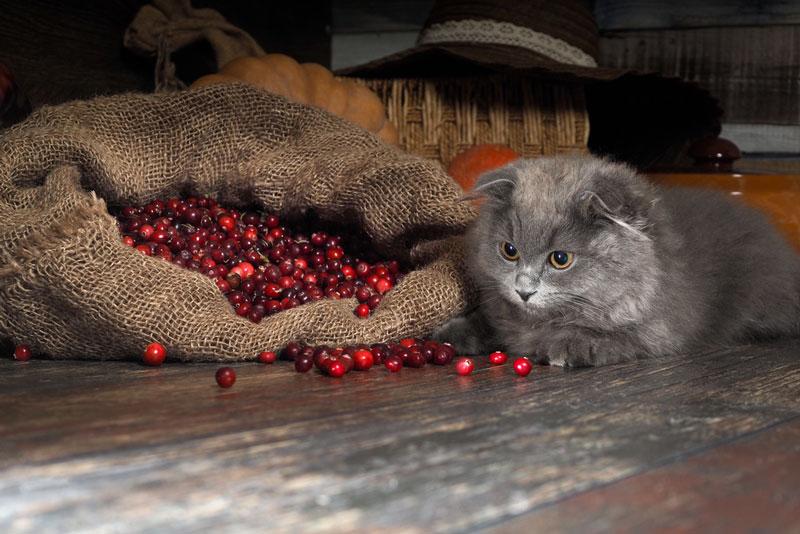
Can cats eat cranberries? You might be wondering if those little red gems are safe for your feline friend. The good news is, yes, cats can eat cranberries, but like everything, moderation is key. Just because one little nibble is okay, it doesn’t mean your cat should indulge in a whole bowl! It’s essential to understand the potential benefits and risks involved with feeding cranberries to your fur baby.
The health of our pets is a top priority, and it’s always good to explore what we can share with them from our human diet. Cranberries are often touted for their health benefits in humans, especially related to urinary health. But how does that translate to our cats who are the masters of napping and not quite as excited about fruity snacks?
Keep reading as we unravel the mysteries of cranberries for cats, from how much is okay to eat, to the potential benefits. You might just find out something new that can keep your kitty happy and healthy!
You might also be interested in: Can Cats Eat Blackberries?
Can Cats Eat Cranberries?
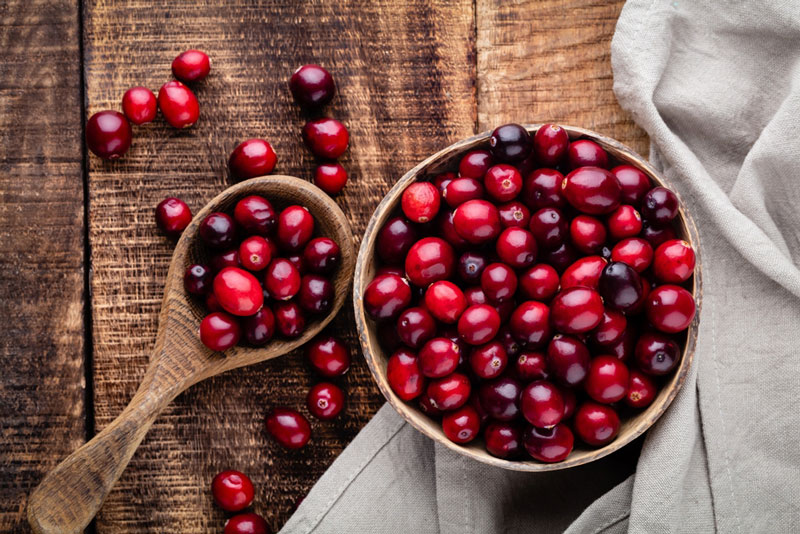
Cranberries are a popular fruit among humans for many reasons. They’re tangy, tasty, and packed with vitamins. But can cats enjoy these red berries too? The answer is yes, in small amounts. Cranberries are not toxic to cats and can even provide some benefits. However, it’s important to know that cats are obligate carnivores, meaning their diet should mainly consist of meat. This means fruits should only be an occasional treat, not a regular meal replacement.
Cranberries contain certain compounds that can be beneficial. They’re known to help prevent urinary tract infections due to their acidity, which can be a positive impact for our feline friends. Nevertheless, the effects of cranberries on cat health is not as thoroughly researched as it is for humans, so we need to approach this with caution. Always make sure that your cat has a balanced diet with proper nutrition focused on their meat needs while just letting them experience cranberries occasionally.
How Much Cranberries Can Cats Eat?
Just because cranberries are safe for cats doesn’t mean that they can gobble them up in large quantities. Moderation is key! If we want to treat our cats to some cranberries, it should be only a small portion. A few pieces now and then can be a fun and healthy snack, but it shouldn’t exceed more than a teaspoon or two at a time. Too many cranberries can cause an upset stomach, leading to vomiting or diarrhea. Not a pretty sight, right?
Let’s say you have some dried cranberries at home. Be cautious with these! While they might look appealing, they often contain added sugars, which can harm your furry friend. Always remember to skip anything processed. If you want to share this treat, go for fresh, raw cranberries or cranberry juice (just make sure it’s unsweetened). If your kitty has never tried cranberries before, start with just one or two pieces and see how they react. You wouldn’t want to suddenly introduce too many new foods at once. Build up their acceptance, and then it could become a favorite!
Making sure your kitty is well-hydrated is also essential. Cats are notorious for not drinking enough water, so if you’d like to introduce cranberries to your cat, always have water available. The additional moisture can help them flush out any extra toxins. Just a little bit at a time will benefit our pets for sure!
So keep it simple and limited when introducing cranberries to your cat’s diet. They might not be as enthusiastic about them as you are, but some kitties do enjoy a little fruity treat now and then. Have fun experimenting with your cat, and don’t hesitate to consult your vet if you’re unsure!
Benefits Of Cranberries To Cats
1. Vitamin C: Cranberries contain a high level of Vitamin C, which can be beneficial for our cats. Though cats can produce their own Vitamin C, an addition of this vitamin can help boost their immune system. A strong immune system keeps our furry companions healthy and energetic! Regular small doses of cranberries can help to support your cat’s health.
2. Antioxidants: The antioxidants found in cranberries are often celebrated in human diets, and they can also play a role in feline nutrition. These compounds help combat free radicals, which can cause cellular damage. By sharing cranberries with our cats in moderation, we’re potentially protecting their cells from harm.
3. Help Acidify The Urine: For those cats who struggle with urinary tract issues, cranberries are often recommended to help acidify the urine. This may prevent bacteria from colonizing the bladder and causing infections. Keeping their urinary tract healthy means less frequent vet visits for those pesky urinary troubles!
4. Natural Breath Freshener: Cranberries can also serve as a natural breath freshener, something we cat parents can often envy. Cats can have stinky breath, and while cranberries won’t cure this problem, they can help reduce plaque buildup. If your cat is open to it, a bit of cranberry here and there can contribute to their oral health.
5. Source of Fiber: Lastly, cranberries can be a source of fiber, assisting in digestion. A well-functioning digestive system can help keep our cats’ bellies content and reduce incidents of constipation. A happy gut means a happier cat! Just remember that while these benefits are lovely, they still should not constitute a main part of their diet.
Dangers Of Feeding Cranberries To Cats
While cranberries do offer several benefits, there are also risks we need to consider. The first being that excessive intake can lead to an upset stomach. We all know how unpleasant tummy troubles can be, and our cats are no exception. Monitor your cat after introducing something new and watch for any adverse reactions.
Another consideration is the possibility of allergies. Just like humans, cats can have food allergies, and it’s important to identify any particular ingredient that may not agree with them. If introducing cranberries, do it slowly and observe for any signs of allergic reactions, such as itching, swelling, or digestive issues.
Furthermore, as previously mentioned, sugary cranberries or processed products can pose risks to cats. Too much sugar is never good for anyone and could lead to obesity or diabetes in cats over time. Avoiding sweetened cranberry juices and dried cranberries with added sugars is vital for keeping our kitties healthy.
Additionally, keep in mind that cranberries should never replace proper cat food. Cranberries can be a delightful treat, but meat should always be the primary focus of their diet. They’re cute and cuddly, but we should always remember they’re carnivores at heart!
Lastly, if your cat has existing health issues, particularly concerning their urinary tract or any kidney issues, it’s best to consult your veterinarian before adding cranberries to their diet. Our vet friends can guide us on how to safely treat our furry family members!
Substitute Of Cranberries For Cats
1. Blueberries and Bananas: If your cat isn’t a fan of cranberries, don’t despair! Other fruits that are safe for cats include blueberries and bananas. Blueberries are packed with antioxidants just like cranberries, and they are small enough for our cats to nibble. Bananas, on the other hand, are a sweeter option and can be sliced into thin pieces to be served as an occasional treat.
2. Watermelon: This is another refreshing choice. Make sure to remove the seeds and rind before serving. Cats can find the juiciness of watermelon both hydrating and delicious, especially during warmer months!
3. Pumpkin: This is an excellent substitute too, as it offers similar fiber benefits for digestion. Plain, canned pumpkin (not the spiced pie filling) can help with digestion and is safe for our furry companions. A little spoonful of pumpkin can go a long way!
4. Green Beans: These are a great green treat for cats. They are low-caloric and can provide some crunch without any sugar. Many cats enjoy the taste, and it can be an excellent option if we’re looking for healthy snacks.
5. Special Cat Treats: Finally, there are special cat treats available in pet stores made with wholesome ingredients. These products are often formulated for feline health while providing unique flavors that will delight your pet. Just ensure they contain natural ingredients suitable for cats.
Can Cats Eat Cranberries? Frequently Asked Questions
Are Cranberries Safe For All Cats?
Most cats can safely eat cranberries in moderation. However, it’s best to consult your vet if your cat has any health issues.
What Should I Do If My Cat Eats Too Many Cranberries?
If your cat indulges in too many cranberries and shows signs of an upset stomach or digestive problems, contact your vet. Monitoring them will help keep our pets safe.
Can I Give My Cat Cranberry Juice?
Cranberry juice can be given, but make sure it’s unsweetened and in moderation. We want to avoid any hidden sugars!
How Can I Introduce Cranberries To My Cat?
Start with just one or two pieces and observe your cat’s reaction. Only introduce small amounts at first to ensure there are no negative responses.
What If My Cat Doesn’t Like Cranberries?
If your cat isn’t interested in cranberries, that’s perfectly okay! There are plenty of other fruits and vegetables that can be a healthier substitute for them.
Final Thoughts
Cranberries can be a fun treat for our felines, provided they are shared in moderation. While there are health benefits associated with this tiny superfruit, we should also be attentive to any potential risks. After all, our cats deserve the best, and understanding what foods can help them thrive is a large part of our job as pet parents.
Ultimately, our priority is to make informed decisions when feeding our cats. Always listen to your pet and consult with your veterinarian for personalized advice about your furry friend’s diet. As you ensure a well-balanced diet, exploring options like cranberries can keep our creative cooking skills sharp while also keeping our pets happy. It’s a win-win situation!
Don’t stop now, though! For more interesting information on what your pets can safely enjoy, check out these articles: pet health tips, cats and raspberries, and cats and blueberries. Happy munching!