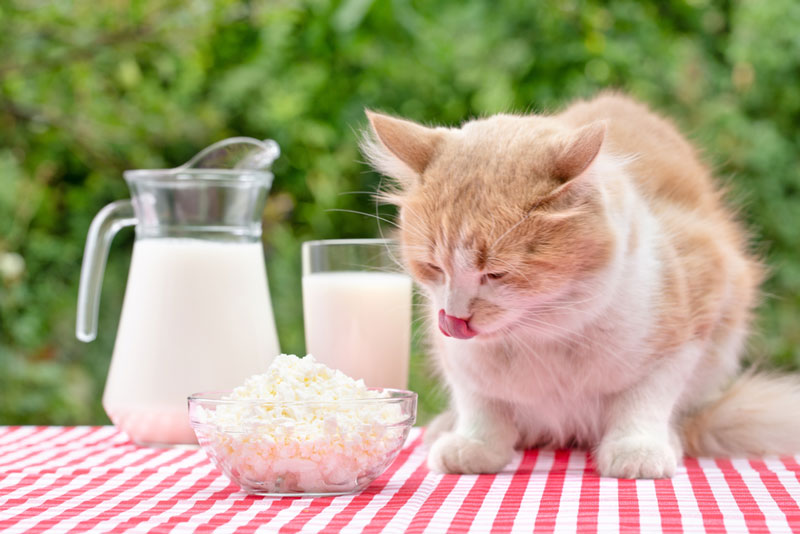
Can cats eat cottage cheese? This is a question that many pet owners ponder, especially when considering what foods to share with their furry friends. The answer is yes, cats can eat cottage cheese in moderation! Just like us, cats can sometimes enjoy a tasty treat that’s not part of their regular diet. However, it’s important to know what that treat should look like, and how much is safe for them to consume.
It’s pretty fascinating how our feline friends can tolerate certain human foods, and cottage cheese is one of those options. This dairy product contains protein and calcium, which can be beneficial in small amounts for our cats. Since many cats enjoy the taste of dairy, offering them cottage cheese might be a fun way to treat them! But let’s not jump ahead just yet. There’s a lot more to learn about this creamy goodness and how it fits into a cat’s diet.
So, if you’re curious to learn in detail about the benefits, risks, and what our furry companions can enjoy from cottage cheese, keep reading! We will guide you through all the ins and outs, to ensure your kitty stays happy and healthy while enjoying a little taste of this delicious dairy treat.
You might also be interested in: Can Cats Eat Cheddar Cheese?
Can Cats Eat Cottage Cheese?
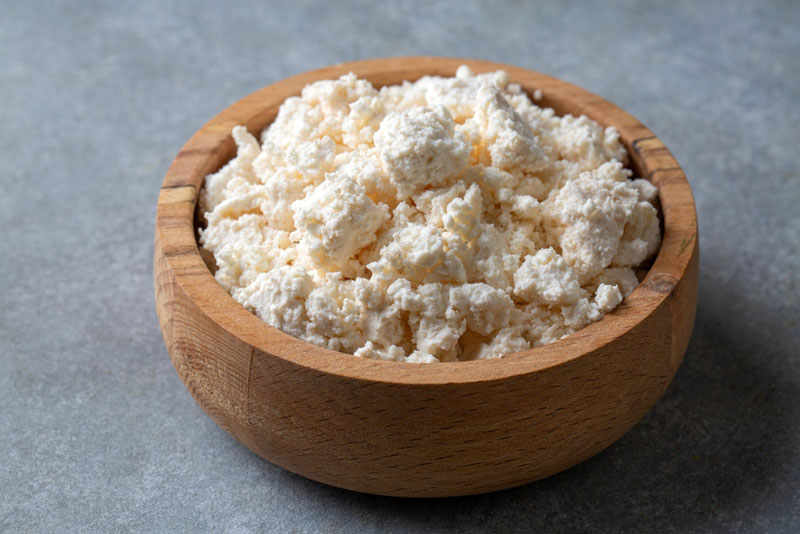
As we explore whether cats can eat cottage cheese, it’s important to know that not all cats will react the same way. Cottage cheese is a dairy food with a soft and creamy texture that many cats seem to enjoy. However, being obligate carnivores, cats do not necessarily need dairy in their diet. They thrive best on a diet that primarily consists of meat. Despite this, small amounts of cottage cheese can be offered as a treat because it does have some nutritional value.
When considering whether to give your cat cottage cheese, it’s essential to look at their individual tolerance to dairy. Many adult cats lose the enzyme lactase, which is necessary for digesting lactose, as they grow older. This means they might be lactose intolerant and could experience digestive upset if they consume too much dairy, including cottage cheese. It’s best to start with a small amount to see how your kitty reacts.
One important point to note is that cottage cheese comes in various fat levels; opting for low-fat or non-fat versions makes it a healthier option. As we’re being mindful about our pets’ health, offering the lower-fat versions helps prevent unnecessary weight gain while still allowing them to relish this treat. Keep in mind that cottage cheese should be given as an occasional food, not a staple in their diet. If you observe any signs of gastrointestinal discomfort, such as diarrhea or vomiting, it’s wise to discontinue giving it and consult your vet.
How Much Cottage Cheese Can Cats Eat?
So you’ve decided to treat your feline friend to some cottage cheese! That’s awesome! But how much should they actually have? That part can be a little tricky. It is generally recommended that moderation is the key when offering human food to our cats. For many cats, a teaspoon may be a starting point to gauge their reaction. It’s all about taking baby steps!
We want our furry pals to enjoy their treat without compromising their health. A small tablespoon a few times a week is usually a safe amount for most cats. It’s important to remember that cottage cheese should never replace their regular meals, which should primarily consist of a well-balanced commercial cat food, rich in protein. Think of it as more of a rewarding snack rather than a meal replacement!
Additionally, it’s crucial to monitor our cats after giving them cottage cheese. Every kitty has its own unique digestive system, and what works for one may not work for another. If our four-legged friends show any signs of discomfort, including excessive grooming, lethargy, or a sudden change in appetite, it’s time to step back. Always feel free to reach out to your vet to get advice specific to your kitty’s needs.
Furthermore, we should always stay aware of our cat’s overall diet. If they tend to have a sensitive stomach or have been diagnosed with certain conditions, it may be best to steer clear of giving them cottage cheese altogether. Always prioritize their health and happiness over trying new treats!
Benefits Of Cottage Cheese To Cats
1. Source of Protein: One benefit of cottage cheese for cats is that it’s a source of protein. Cats are natural hunters and require protein in their diet to thrive. Cottage cheese can provide a little boost when given in moderation. Remember, it shouldn’t replace their main protein source but can supplement it!
2. Source of Calcium: Cottage cheese is also a good source of calcium, which helps in maintaining strong bones and teeth. As our beloved kitties age, their bones can become weaker, and ensuring they have the right nutrients is essential for a long and happy life. As long as we give it sparingly, it can provide some added benefits.
3. Helps with Digestion: Another perk is that it can help with digestion. Cottage cheese contains probiotics that can aid a cat’s digestion, especially if they are suffering from minor stomach issues. It’s like a little superfood for their tummy if they can tolerate it!
4. Texture: The creamy texture can be very appealing for our kitties. It is a great way to encourage picky eaters or those who resist certain kinds of food. Sometimes, all it takes to get them to eat is mixing some cottage cheese into their favorite dry or wet food! Our cats truly know how to get what they want!
5. Enhance Bond: Lastly, it serves as a nice little treat that can enhance your bond with your cat. Offering them a small amount of cottage cheese can be a special way to show you love them, just like giving them a scratch behind the ears or playing with their favorite toy!
Dangers Of Feeding Cottage Cheese To Cats
While cottage cheese does have its benefits, we should be aware of potential risks as well. Firstly, many cats are lactose intolerant, which means they could experience gastrointestinal upset, including diarrhea and vomiting, after consuming dairy products. Even if the cottage cheese is low in lactose, there’s no guarantee that they won’t react poorly to it.
It’s also vital to be cautious about how much you serve. Too much of anything can lead to obesity over time. Cottage cheese is not an essential part of their diet, and we must prioritize the main staple of their meals. If we’re slinging too many treats into the mix, it could result in unwanted weight gain. And let’s be honest, we definitely don’t want our cats turning into fluffy marshmallows!
Another thing to keep an eye on is the sodium content. Some cottage cheeses can be quite high in sodium, which can be problematic for our kitty’s health. High sodium levels can lead to dehydration and other health concerns, especially in older cats or those with existing medical issues. Always read labels and choose low-sodium options for their safety.
We should also remember that not all dairy products are suitable for cats. Things like flavored or sweetened cottage cheese can be toxic to our pets. Keep it plain and simple! Lastly, if you’re unsure about introducing any new food into your cat’s diet, it’s always best to chat with your vet. They can provide us with tailored insights into what is best for our furry companion.
In sum, being a responsible pet owner is about doing our best to keep our cats safe while still treating them. Understanding the risks and how to introduce foods can make the experience enjoyable while protecting their health.
Substitute Of Cottage Cheese For Cats
1. Plain Yogurt: If cottage cheese does not work for your cat, there are other yummy alternatives! Plain yogurt is a fantastic substitute. Just like cottage cheese, yogurt contains probiotics that can help with digestion. Make sure to choose plain, unsweetened yogurt, as flavored versions could contain ingredients that are harmful to cats.
2. Canned Pumpkin: Another option is canned pumpkin. Cats generally love the taste, and it’s a great source of fiber! It can help in maintaining a healthy digestive system. Just ensure it’s plain pumpkin puree, not pumpkin pie filling, which could contain added sugars and spices that our pets should avoid.
3. Tuna: This or tuna juice is also a crowd favorite! Most cats adore the smell and taste of tuna, and a little splash of tuna juice can add delicious moisture and flavor to their meals. However, moderation is key here, as too much tuna can lead to mercury poisoning.
4. Chicken Broth: This is another friendly option, although we must make sure it’s low-sodium and doesn’t contain any onions or garlic. This can be a delightful way to entice our picky eaters and add a tasty twist to traditional meals!
5. Commercial Cat Treats: Lastly, consider trying commercial cat treats that are formulated to cater to a cat’s nutritional needs. They come in various flavors and are often designed to promote dental health or provide extra nutrients. Grab a pack, and watch your kitty jump for joy at the crinkly sound of the treat bag!
Can Cats Eat Cottage Cheese? Frequently Asked Questions
Is Cottage Cheese Safe For All Cats?
Cottage cheese is not safe for all cats, especially those who are lactose intolerant. Always introduce it gradually and monitor their reaction.
How Can I Tell If My Cat Is Lactose Intolerant?
Signs of lactose intolerance in cats may include diarrhea, vomiting, or an upset stomach after consuming dairy products like cottage cheese.
Can Kittens Eat Cottage Cheese?
Giving cottage cheese to kittens is generally not recommended as they need specialized nutrition and can also be sensitive to dairy. Consult your vet for appropriate food options.
What Other Human Foods Can Cats Eat?
Besides cottage cheese, cats can enjoy cooked meats, plain fish, certain veggies like cooked carrots, and some fruits, such as blueberries and bananas. Always check for safety first.
Should I Consult My Vet Before Feeding My Cat Cottage Cheese?
Yes! It’s always a good idea to consult your vet before introducing any new food. They can give personalized advice based on your cat’s health and dietary needs.
Final Thoughts
Cottage cheese can be a fun and nutritional treat for our beloved cats if they handle it well. It has benefits, including being a source of protein and calcium, but we must focus on moderation and watch for any possible negative reactions. It should never act as a replacement for their regular meals and should always be given with care.
As responsible pet owners, we want to ensure that our furry friends enjoy their lives while remaining healthy and happy. So, let’s keep exploring more about what our cats can and cannot eat! After reading about cottage cheese, you might also be interested in what other human foods they can enjoy. Check out our article on pet nutrition. Or maybe you’re curious about other foods that are not safe for our lovable felines? You can find out more about what cats shouldn’t eat in our piece about cats and string cheese.