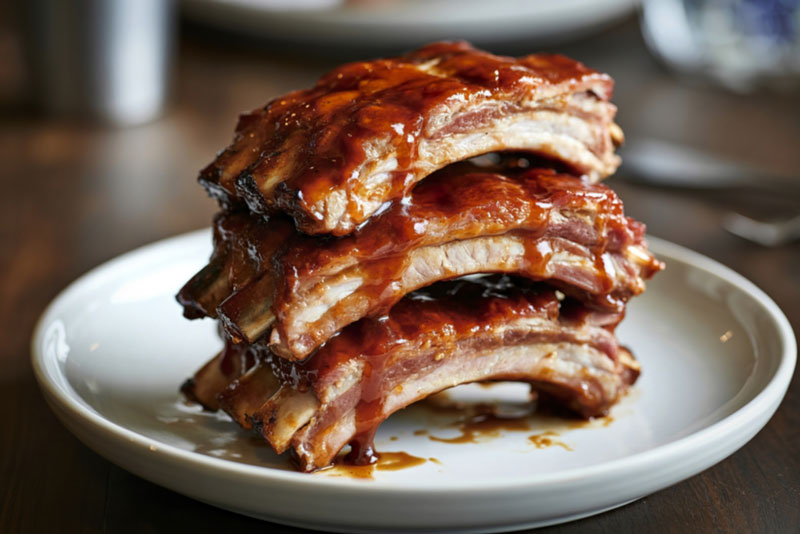
Can cats eat cooked pork? This question often pops up in the minds of curious cat owners, especially when we indulge in some delicious barbecue or bacon. The simple answer is yes, cats can eat cooked pork. However, there are important things to consider before we pass our tasty treats to our feline friends. Cooked pork can provide protein, but we must ensure it’s prepared correctly to avoid any health risks.
Giving our cats a little taste of cooked pork may sound delightful. Cats are obligate carnivores, which means they thrive on meat. And let’s be real, who could resist the sight of our furry pals begging for a bite of our meals? While pork can be a tasty addition to their diet, it’s essential to know what makes it safe and healthy for our whiskered buddies. So, if you’re eager to learn more about how to safely share the love of pork with your cat, keep reading!
We promise to unravel the mysteries surrounding cooked pork for cats in this article. From the right serving sizes to the benefits and risks, we will cover it all. So grab your snacks, settle in, and let’s explore everything you need to know about feeding your loving kitty cooked pork!
You might also be interested in: Can Cats Eat Pork Rinds
Can Cats Eat Cooked Pork?

To answer our burning question, yes, cats can eat cooked pork, and it can be a tasty treat for them. Pork is rich in protein—a key nutrient for our feline friends. However, just because something is edible, does not mean it is always the best choice for our pets.
When we prepare pork for ourselves, we often season it with all kinds of spices, herbs, and sauces that could be harmful to our furry companions. Cats, as sensitive as they are to different foods, should only enjoy plain, cooked pork without any seasoning or added ingredients such as garlic or onion, which can be toxic to felines.
It’s also crucial to ensure that the pork is cooked thoroughly. Undercooked pork can carry harmful parasites or bacteria that may lead to potential health issues for our cats. Always cook it to the proper temperature, which for pork is 145 degrees Fahrenheit, followed by a three-minute rest. This will ensure that it’s safe for our cute companions.
While pork can be a delicious treat, it should not make up a significant portion of our cat’s diet. Instead, we should see it as an occasional indulgence rather than a meal replacement. Cats need a balanced diet featuring high-quality cat food that meets their nutritional needs. Meat like pork can serve as a special treat rather than their main course, promoting a healthy approach to snacking for our furry friends.
How Much Cooked Pork Can Cats Eat?
When it comes to knowing how much cooked pork our feline companions can safely enjoy, moderation is key. Cats do not digest pork the same way humans do, instead, they need a carefully balanced diet that consists primarily of cat food designed specifically for their needs.
So, how much cooked pork should we give our furry friends? Generally speaking, a few small bites, about a teaspoon or two, should be enough as an occasional treat. Keep in mind that snacks should not exceed 10% of their daily caloric intake. For example, if our cat eats about 200 calories a day, we should limit treats like pork to around 20 calories. This means keeping portion sizes small, giving them a tasty morsel without overdoing it. Also, it’s important to observe how our cats react to new foods. If they enjoy the taste and don’t show any adverse reactions, we can occasionally include cooked pork in their diet.
It’s also essential to consider our cat’s size, age, and health condition when determining how much pork they can safely eat. Kittens, for example, require more protein, while older cats might need to be more cautious about their fat intake. Consulting with a veterinarian can provide personalized guidance tailored to the particular needs of our furry family member.
The safest course of action is to introduce any new food slowly and incrementally. By doing so, we can observe how our cat’s body reacts to pork and determine if it is suitable for them. If any signs of upset stomach or allergic reactions occur after eating pork, it’s best to stop feeding it and consult our vet.
Ultimately, the goal is to keep our furry friends happy and healthy. By giving them treats in moderation and maintaining a balanced diet, we can ensure they live their best lives. Remember, it is always better to err on the side of caution and make sure we monitor our beloved cats when giving them something new!
Benefits Of Cooked Pork To Cats
1. Protein: One of the main benefits of feeding our cats cooked pork is the protein. Cats are obligate carnivores, meaning their bodies require animal protein to thrive. Cooked pork provides a source of high-quality protein that can help build and repair bodily tissues, keeping our furry friends energized and healthy. It’s an excellent way to supplement their protein intake while adding variety to their diets.
2. Essential Nutrients: Pork also provides essential nutrients that our cats need. This tasty meat is rich in vitamins and minerals like B vitamins—particularly thiamine, which supports energy metabolism—zinc, phosphorus, and iron. These nutrients play critical roles in keeping our cat’s immune system strong while promoting overall growth and muscle maintenance.
3. Bonding Experience: The flavor of pork is hard for many cats to resist! If our furry friends have been giving us the classic “sad kitty eyes” at the dinner table, serving them a bit of cooked pork can become a delightful bonding experience. Sharing our meals with our cats can strengthen our connection and provide them with joy, which is one of the reasons we love having them around!
4. Spark Their Interest: In addition to being tasty, cooked pork can also help entice picky eaters. Some cats can be quite particular when it comes to their food. If we find ourselves struggling to get our fussy friends to eat, occasionally presenting them with a small amount of cooked pork may spark their interest and encourage them to eat. However, we should still complement the pork with their standard cat food for complete nutrition.
5. Encourage Good Behavior: Finally, including cooked pork occasionally can serve as an excellent way to reward our feline companions. Positive reinforcement using tasty treats like pork can encourage good behavior and training. Whether they are learning new skills or simply being the good kitties they are, using cooked pork as a reward can motivate them and make training more enjoyable for both of us!
Dangers Of Feeding Cooked Pork To Cats
While cooked pork can be a nice addition to a cat’s diet, it is essential to be aware of the risks and dangers associated with feeding it to our pets. Ignoring these potential issues could lead to negative consequences for our furry companions.
One of the main concerns with pork is the fat content. Pork can be fatty compared to other meats like chicken or turkey. For some cats, particularly those that are overweight or have pre-existing health conditions, consuming too much fatty food can lead to digestive issues and obesity. Obesity can later result in serious problems such as diabetes, joint issues, and heart disease. To mitigate this risk, we should always remove any visible fat before giving pork to our cats and limit their portion sizes.
Another danger we need to keep in mind is the risk of seasoning. As mentioned earlier, we must prepare the pork without any extra spices, herbs, or sauces. Ingredients like garlic and onion, often used in seasoning, are toxic to cats and can cause gastrointestinal issues or even damage to red blood cells. Always check for seasoning before serving cooked pork to our pets.
Additionally, we must ensure that the pork we serve is perfectly cooked. Undercooking can expose our cats to harmful bacteria and parasites that might be present in raw or improperly cooked pork. Always thoroughly cook the meat to the recommended temperature before giving it to our furry friends. If there is any doubt about the quality of the meat or its preparation, it is better to forego offering the pork.
Finally, not all cats will react to pork the same way. Some cats might have sensitivities or allergies to pork, leading to upset stomachs or adverse reactions. As pet parents, it is crucial to observe any unusual behavior after introducing new foods and consult a veterinarian if any signs of distress occur. If our cats seem to dislike the taste or experience any digestive issues, it is best to stop feeding them cooked pork altogether.
Substitute Of Cooked Pork For Cats
1. Chicken: If we’re on the lookout for healthier alternatives to cooked pork, there are plenty of options! One popular choice is chicken. Like pork, chicken is an excellent source of protein for our furry friends. It is leaner and lower in fat, making it a safe and healthy option for cats when cooked without seasoning. Cooking chicken by boiling or baking is a great way to provide a yummy meal.
2. Turkey: Another fantastic substitute is turkey. Similar to chicken, turkey is rich in protein and lower in fat. It can make for a delicious meal that is healthy and satisfying for our beloved felines. As with other meats, make sure it is cooked safely without any seasonings.
3. Fish: This is also a tasty alternative that many cats go absolutely wild for! Fish like salmon or tuna can be a delightful treat for our cats. It is high in protein and contains omega-3 fatty acids, which are beneficial for skin and coat health. However, we should still serve fish in moderation, as some varieties can be high in mercury or other toxins.
4. Game Meats: For those who want to give a twist to their cat’s diet, we can incorporate game meats like rabbit or venison. These meats offer a lean and tasty alternative to traditional meats and can provide different flavors to keep things interesting for our kitties.
5. Cat Food: Lastly, consider high-quality cat food that contains real meat as the primary ingredient. Cat food is specifically formulated to meet the dietary needs of our felines, ensuring they get well-rounded nutrition. Ingredients like chicken, beef, or fish in high-quality cat food can offer our cats the nutrients they need while keeping them safe.
Can Cats Eat Cooked Pork? Frequently Asked Questions
What If My Cat Has An Allergy To Pork?
If we suspect that our cats may have an allergy to pork or any other food, it’s best to avoid giving them those foods altogether. Consult our veterinarian for proper guidance and to explore any alternatives.
Can I Give My Cat Raw Pork?
No, it is not safe to give cats raw pork. Raw meat can carry parasites and bacteria that may lead to health risks. Always ensure that pork is cooked thoroughly before offering it to our pets.
Is Pork Safe To Feed My Kitten?
Kittens can eat cooked pork in small amounts, but it shouldn’t be a primary part of their diet. Kittens require a balanced diet that includes specific kitten formula cat food to meet their growth and development needs.
How Often Can I Give Pork To My Cat?
Pork should only be given as an occasional treat. Moderation is essential, so it’s best to limit servings to a small amount—about a teaspoon or two every once in a while.
What Are Other Treats I Can Safely Give My Cat?
There are many safe treats we can give to our cats! Options include small pieces of cooked chicken, turkey, fish, and even certain commercial cat treats designed specifically for felines.
Final Thoughts
In conclusion, cooked pork can be a delightful treat for our feline friends, but it is crucial to provide it in moderation and make sure it is cooked correctly. We must be aware of the potential risks and opt for healthier alternatives, as well. By understanding what is safe for our cats and deciding wisely, we can keep our furry companions happy and healthy.
With everything we’ve discussed, we hope you feel more informed about the ins and outs of feeding pork to your loving cats. It is fantastic to explore new culinary experiences with our pets, and ensuring we do so safely can promote the joy of snacking. For further reading, check out our blog for tips on all things pet-related, or learn if cats can eat vienna sausage. Remember, when it’s about our beloved companions, knowledge is essential to their happiness!