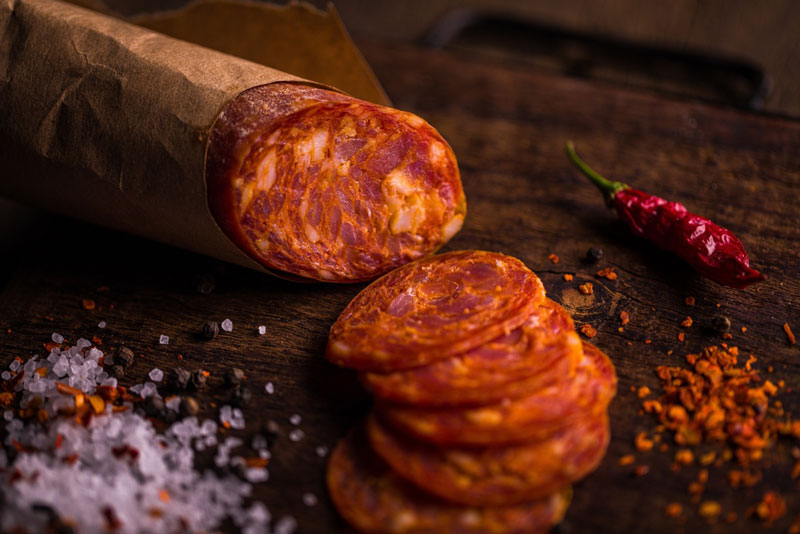
Are you wondering if cats can eat chorizo? Well, let me put it simply: no, cats cannot eat chorizo. This spicy and flavorful sausage, while delicious for humans, can be harmful to our feline friends. But why is that? Let’s dig a little deeper into the reasons why we should keep chorizo off their dinner plate!
Chorizo is packed with various spices and seasonings that can upset a cat’s sensitive stomach. Not to mention the high-fat content which can lead to obesity and pancreatitis in cats. So, it’s best to keep this tasty treat to ourselves! Cats are obligate carnivores, which means they thrive on a protein-rich diet without needing any of those added spices and flavors. Ready to learn more about the ins and outs of chorizo and your furry friend? Let’s go!
You might also be interested in: Can Cats Eat Doritos?
Can Cats Eat Chorizo?
When we think of our pets and the foods we enjoy, it can be tempting to share our snacks, especially something as tasty as chorizo. But we must remember that not all human foods are safe for our beloved cats. Chorizo is a type of sausage originating from Spain and is known for its robust flavor, which comes from a blend of spices including paprika, garlic, and chili powder. While this combination might tickle our taste buds, it can spell trouble for our cats.
Cats’ digestive systems are designed to process animal proteins rather than rich and spicy foods. Sharing chorizo with your cat can lead to upset stomach, vomiting, and even more serious health problems. Aside from the spices, does chorizo contain any ingredients that are harmful for cats? Yes! Chorizo is often high in fat and sodium, and both of these can present a problem for cats. Obesity and heart disease can be a real concern if they regularly consume fatty or salty foods like chorizo.
How Much Chorizo Can Cats Eat?
While it can be tempting to give your furry friend a taste of your delicious chorizo, it’s best to avoid it altogether. If you find yourself in a situation where you’ve accidentally dropped a piece of chorizo, resist the urge to let your cat snack on it. The question is often raised, “But what if I only give my cat a tiny bit?” Here’s a thought: every little bit counts! Just because a small amount might not show immediate effects doesn’t mean it’s a good idea. Although cats weigh significantly less than humans, their ability to process certain ingredients is much different.
In essence, chorizo should never be given to cats. While certain foods might be safe in small quantities, the risks associated with human food often outweigh the benefits. It’s much safer to stick with cat-friendly treats that are specifically made for their dietary needs. And if you’re concerned about getting the recommended amount of meat in your cat’s diet, consider consulting your veterinarian for suggestions on suitable alternatives.
Maintaining a healthy, balanced diet for our cats is essential. Animals thrive on their specialized diets, and changing their dietary habits can lead to irritation and long-term health consequences. Protecting our furry companions is of the utmost importance. Speak to your vet about what’s best for your kitty! Should we find that our feline friends gravitate towards spicy morsels like chorizo, it’s best they find their joy in safe and nutritionally sound alternatives.
Remember, next time you’re enjoying your favorite spicy dish, keep it to yourself, and save your cat from unnecessary health risks. Treats made from chicken, turkey, or fish can be a healthier choice that both satisfies your cat and keeps their little tummy happy.
Benefits Of Chorizo To Cats
1. The number one benefit of not feeding your cat chorizo is avoiding potential health problems. A proper feline diet helps in keeping our cats as healthy as possible. Instead of sharing dangerous foods, it’s essential to find alternatives.
2. By offering small amounts of meat made for cats, you ensure they receive the nutrients they need. Staying within a well-balanced diet will keep kitty well-fed without the fear of complications.
3. Providing proper cat food helps strengthen their immune systems. By focusing on protein-rich options designed specifically for them, we can help our little friends maintain their vitality and energy.
4. A better diet will keep our pets happier and more energetic. Cats can be playful and full of life, and we want to nourish that energy! Adequate nutrition affects everything from their coat health to their overall mood.
5. Lastly, choosing the right foods reduces the risk of allergies and food sensitivities. Cats can sometimes develop allergies to various ingredients in meals. Staying away from potential irritants like chorizo is an easy way to avoid these problems.
Dangers Of Feeding Chorizo To Cats
There are numerous risks associated with feeding chorizo to your cat, one of the biggest being its high-fat content. When cats consume fatty foods regularly, it can lead to obesity, which puts additional strain on their joints and can shorten their lifespan. Fatty foods can also lead to pancreatitis, a painful condition requiring immediate medical attention. Imagine your cat crying and hiding in the closet just because we’ve fed them something they shouldn’t have. It’s heartbreaking, right?
Another danger lies in the high sodium levels found in chorizo. Cats don’t need extra salt in their diet, and too much sodium can lead to dehydration and urinary tract issues. If these issues go unnoticed, the consequences could be dire. Cats dealing with urinary problems can end up with painful vet visits which we all want to avoid.
Chorizo often contains garlic and onion powder, both of which are toxic to cats. Even small amounts can cause serious health issues, including damage to red blood cells, leading to anemia. This is a dangerous scenario we should keep in mind as loving pet owners. The spices may be scrumptious for us, but they can wreak havoc on our feline companions.
While we might enjoy the zest that chorizo brings to our meals, our furry pals do not share our tastes. Symptoms of food poisoning or intolerance may be mild at first, manifested in vomiting or diarrhea. However, if left untreated, these issues could lead to much worse situations. One should always consult with a veterinarian when our pet experiences health concerns. Caring for our pets means paying close attention to what their little noses want to sniff and ensuring we keep them away from harmful substances.
Substitute Of Chorizo For Cats
1. Lean Cooked Chicken: If you are looking for an alternative to chorizo that is safe for your cat, you can consider lean cooked chicken. It’s packed with protein and doesn’t come with the spice and salt of chorizo.
2. Turkey: Another great substitute is turkey. This lean meat can be boiled or baked and given to your furry friend in small portions. Just remember to remove any seasoning!
3. Fish: It’s also a delightful option for cats. Look for options like salmon or tuna sold in water, not oil or with added salt. Our feline friends love fish, and it’s a great source of omega-3 fatty acids.
4. Game: For those who want to feed their cat a more exotic protein source, game meats like rabbit or venison can be great alternatives. These can often be found in specialty pet food stores.
5. Treats: Lastly, consider cat treats that are commercially available and designed with your cat’s health in mind. These often include vitamins and nutrients that are beneficial for their overall well-being.
Can Cats Eat Chorizo? Frequently Asked Questions
What Should I Do If My Cat Eats Chorizo?
If your cat eats a small bite of chorizo, monitor them closely for signs of digestive upset such as vomiting, diarrhea, excessive thirst, or lethargy. Chorizo is highly seasoned, fatty, and salty, which can irritate a cat’s stomach. If your cat eats a larger amount or shows persistent symptoms, contact your veterinarian promptly.
Are There Any Symptoms Of Food Poisoning In Cats?
Yes. Symptoms may include vomiting, diarrhea, drooling, abdominal pain, loss of appetite, lethargy, fever, tremors, or unusual behavior. Symptoms can appear within hours or be delayed. Severe or ongoing symptoms require veterinary attention.
What Are Safe Foods I Can Share With My Cat?
Safe human foods in small amounts include plain cooked chicken or turkey, cooked eggs (without oil or seasoning), and plain fish. These should always be unseasoned and offered sparingly, with cat food remaining the main diet.
Can I Give My Cat Human Food In Moderation?
Some human foods can be given in moderation, but many are unsafe or unnecessary. Highly processed foods like chorizo should always be avoided. Treats should make up no more than 10% of your cat’s daily intake.
What Are Some Signs My Cat Is Allergic To A Certain Food?
Signs of a food allergy or sensitivity may include vomiting, diarrhea, itching, skin redness, excessive grooming, facial swelling, ear infections, or changes in behavior. If you suspect a food allergy, stop feeding the suspected item and consult your veterinarian for evaluation.
Final Thoughts
In conclusion, we should all agree that chorizo is best left off the cat food list. As much as we love our pets, sharing spicy and fatty foods can bring more harm than good. Keeping our beloved cats safe means prioritizing their health over our cravings.
Remember, it’s much wiser to stick with meals and treats that are specifically designed for cats. If you want to learn even more about safe foods for pets, check out this article on pet safety or see why chocolate is also a no-go for kitties in this piece about cats and spam. Together, let’s ensure our furry companions thrive healthily and happily!