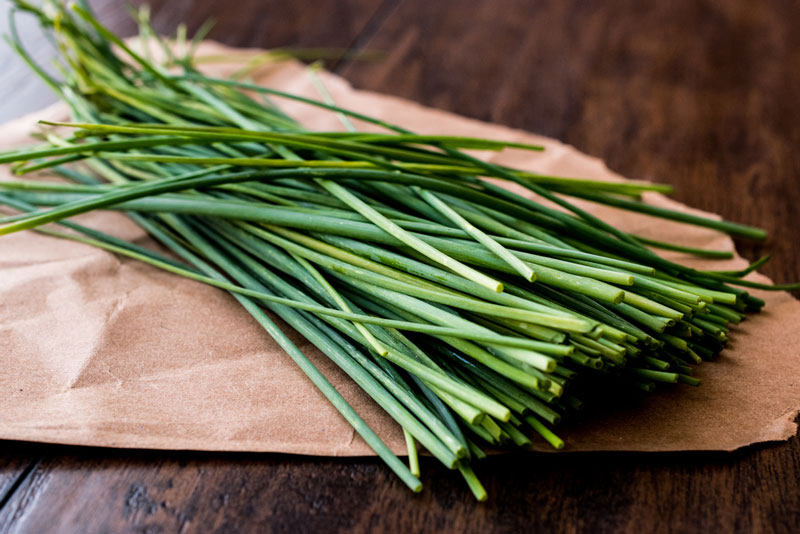
Have you ever wondered if our furry friends can munch on chives? Well, the simple answer is no, cats should not eat chives. These little green herbs belong to the allium family, which also includes onions and garlic. These foods can be toxic to cats, causing various health issues. Understanding how chives impact our beloved companions is essential for any pet owner.
Chives might be a delightful addition to our meals, adding flavor and pizzazz, but for cats, they can lead to unfortunate consequences. It’s not merely about them sneaking a nibble; it’s about recognizing the potential dangers these herbs pose. Many pet owners might not realize how certain human foods can affect their pets. That’s why it’s crucial to always research before we share a snack with our feline friends.
Stay with us as we explore everything there is to know about chives and cats. We’ll cover why they can’t eat them, what the risks are, and as a bonus, we’ll share some safe alternatives. So, let’s embark on this informative journey together!
You might also be interested in: Can Cats Eat Aloe?
Can Cats Eat Chives?
Let’s get straight to the point. Can cats eat chives? No, they cannot. Chives are a type of green herb often used in cooking for flavor. They belong to the allium family, which also includes onions, garlic, and leeks. This family of plants is known for containing compounds that can be harmful to cats. Just like with onions and garlic, chives can lead to serious health problems if ingested by our feline companions.
When our cats consume even a small amount of chives, it can cause gastrointestinal upset. Symptoms can include vomiting, diarrhea, and abdominal pain. But the real danger lies in the long-term effects. Alliums, including chives, can damage red blood cells in cats a condition known as hemolytic anemia. This can lead to a decreased ability to carry oxygen in the blood, making our furry friends feel weak or lethargic.
How Much Chives Can Cats Eat?
Understanding how much chives could affect cats is critical. The general consensus is that any amount is too much. Even small quantities of chives can lead to some serious health issues. We might think that a tiny lick or nibble would be harmless, but that’s not the case when it comes to our feline companions.
In clinical observations, even a small piece of chive can have a negative impact. Symptoms can start showing as soon as a few hours after ingestion. You may notice your kitty feeling under the weather, and that is when the alarm bells should go off! If a cat has eaten chives, we must keep a close eye on them and look out for signs like vomiting, diarrhea, and general lethargy.
How much is just too much, you ask? Well, it’s quite straightforward. The best approach is to avoid chives altogether. We should always err on the side of caution. Suppose you ever suspect your cat has ingested chives or any onions or garlic. In that case, it’s wise to contact your veterinarian as soon as possible for guidance and appropriate care.
For those of us who may have cats that are adventurous eaters, we can’t stress enough the need to cat-proof our kitchens. Preventing our kitties from getting into food they shouldn’t is the best way to keep them safe. If we’ve got chives around, it’s essential to keep them out of reach and consider alternatives for seasoning our meals.
Benefits Of Chives To Cats
1. There are practically no benefits for cats eating chives. In fact, the opposite is true. Cats need a strict diet tailored to their dietary needs, which primarily includes animal-based proteins. There are many advantages of ensuring our felines have a diet rich in high-quality cat food rather than risking harmful herbs.
2. Cats thrive on nutrients primarily derived from meat. Their health largely depends on the intake of proteins and essential fatty acids. Chives don’t provide these nutrients and won’t contribute positively to our feline friends’ health.
3. Avoiding chives keeps us from worrying about our cats’ well-being. By not allowing them to munch on chives or other harmful plants, we can maintain peace of mind. Taking that extra step helps us remember that the safety of our pet friends always comes first!
4. When it comes to keeping our furry companions safe, we should consider providing them with food that’s specifically designed for their needs. Choosing safe, nutritious food and snacks keeps us on the right track without risking any chance for harm.
5. Lastly, including different types of cat-safe plants in our homes, such as cat grass or catnip, can be a beneficial alternative to chives. These plants are not only safe but can also provide entertainment and enjoyment for our cats without the risk associated with chives.
Dangers Of Feeding Chives To Cats
While we may be tempted to think that our furry friends wouldn’t harm themselves with chives, the reality is far different. Eating chives can lead to various health concerns, each one requiring our immediate attention should any issues arise. It’s our responsibility as pet owners to ensure that our cats are safeguarded from such dangers.
Chives, being part of the allium family, contain compounds that can severely affect cats. The primary concern is that they may damage red blood cells leading to hemolytic anemia. This condition makes it difficult for the body to transport oxygen effectively. Symptoms may vary from increased weakness, pale gums, to even fainting.
If we see any unusual behavior after their accidental nibble on chives, we must remain alert. Other symptoms can include lethargy or a lack of appetite. When we notice any of these signs, we must not hesitate to contact our veterinarian. Remember, it’s far better to err on the side of caution.
Chives can also cause gastrointestinal upset, leading to vomiting or diarrhea. Although these symptoms can resolve themselves, repeated ingestion means continuous discomfort for our cats. We would never want our beloved pets to go through any illness. Thus, recognizing the risks associated with chives is an essential responsibility we all share.
In conclusion, keeping chives out of reach, while being proactive about our cats’ diets, ensures their well-being. With a little vigilance and knowledge, we can protect our feline friends from the invisible dangers lurking in our kitchens.
Substitute Of Chives For Cats
1. Cat Grass: If you’re looking for alternative herbs to use in your cooking that are safe for cats, consider cat grass! It’s not only safe, but cats can also enjoy chewing and nibbling on it. Many commercial cat grass products are available and are specifically designed for kitties.
2. Catnip: Another great option is catnip. This herb can be a delightful treat for cats. It’s not only safe, but it’s also known for making kitties feel happy and playful. Including catnip in their diet, whether dried or as a plant, can brighten their day!
3. Parsley or Basil: If you’re looking for flavor while cooking, there are plenty of herbs like parsley or basil that won’t harm our feline companions. Just make sure these herbs are used in moderation, as we wouldn’t want our kitties ingesting excess amounts either.
4. Fish Oil: A great substitute for adding nutritional value to cat food is fish oil. Adding a little fish oil can improve our cat’s coat and skin health without the risks associated with chives.
5. Commercially Treats: Lastly, always consider commercially prepared treats designed for cats. There are many delicious options that provide nutrients without the risk of harmful ingredients. Treating them with purpose ensures that we’re promoting their health rather than risking it.
Can Cats Eat Chives? Frequently Asked Questions
What Should I Do If My Cat Eats Chives?
If your cat eats chives, take it seriously. Monitor for symptoms such as vomiting or lethargy. If you notice any signs, contact your veterinarian. Prompt action can make a difference in early treatment.
What Are The Signs Of Allium Poisoning In Cats?
Signs of allium poisoning include vomiting, diarrhea, weakness, loss of appetite, and pale gums. Pay close attention to your cat, especially if they’ve had access to chives or other allium plants.
Are There Other Foods My Cat Should Avoid?
Absolutely! Onions, garlic, grapes, raisins, chocolate, and alcohol among others can be harmful to cats. Always research before introducing any new foods to their diet.
Can I Give My Cat Chives If They Seem Fine?
It’s not worth the risk. Even if they appear okay, it’s best to avoid giving your cat chives altogether. The potential harm far outweighs any short-lived enjoyment they may have.
How Can I Get My Cat To Eat Healthier?
Start with high-quality cat food and incorporate safe treats like cat grass, catnip, or safe fruits in moderation like watermelon. Keeping an eye on dietary habits ensures good health.
Final Thoughts
Cats and chives don’t mix, and that’s a fact we can stand by. Our furry friends deserve all the love and care in the world, and keeping them safe from harmful foods is a big part of it. With a little knowledge about harmful plants, we can ensure that our home remains a safe haven for our feline companions.
We can enhance our pets lives by exploring safe alternatives and indulging them in nutritious food. If you’re curious about other pet-related topics and want to keep learning, you might explore articles about chocolate and dogs or check out other intriguing options. By prioritizing their health, we’re ensuring our kitties live their happiest lives. Together, we can be dedicated pet owners and provide the best care possible!
For more information, check out these helpful articles:
– Pet Health Blog
– Can Cats Eat Catnip?