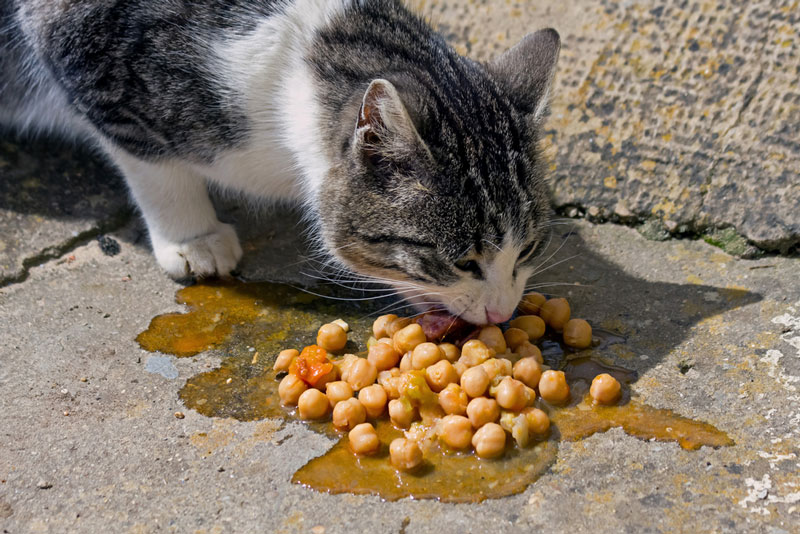
Have you ever wondered if your furry feline friend can enjoy a tasty treat like chickpeas? The short answer is yes; cats can indeed eat chickpeas. However, it is essential to know how to introduce them safely and responsibly into your pet’s diet.
This delightful little legume can be a source of protein and fiber. But as cat lovers and concerned pet owners, we must be cautious about what we feed our lovable companions. Thus, careful consideration is vital. In the following sections, we will explore everything you need to know about feeding chickpeas to cats.
So, let’s grab a cozy seat, sip on our coffee, and continue reading to learn more about whether chickpeas are suitable for our furry friends!
You might also be interested in: Can Cats Eat Edamame?
Can Cats Eat Chickpeas?
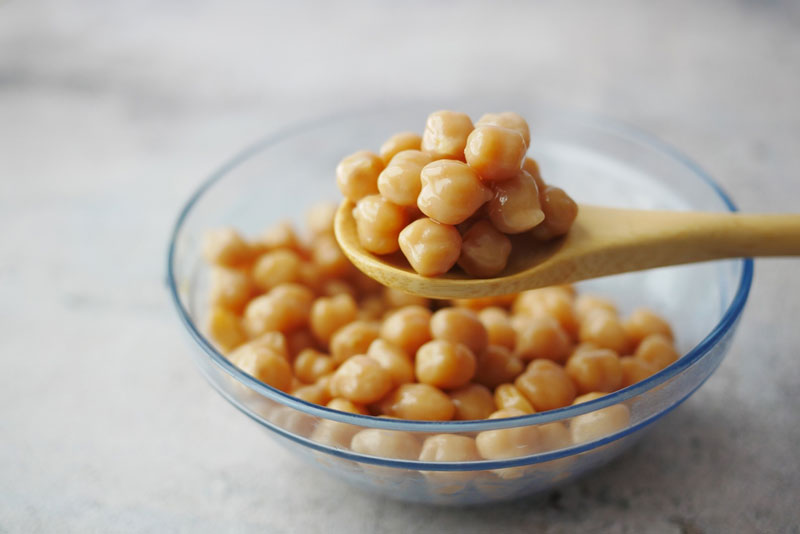
Chickpeas, or garbanzo beans, are those round, beige legumes that we often find in salads or hummus. They are rich in protein, fiber, vitamins, and minerals. While humans can enjoy chickpeas as part of a balanced diet, our feline companions have different nutritional needs. Cats are obligate carnivores, which means that their primary source of nutrition comes from animal products. They thrive on meat and require specific nutrients that are found in animal tissues.
We may wonder, can they benefit from eating chickpeas? The answer is yes, but in moderation and with proper preparation. Although chickpeas are not a necessary part of a cat’s diet, they can be included as an occasional treat. It’s crucial to introduce them slowly and observe how our cats react to this new food.
So what should we keep in mind before offering chickpeas to our kitties? Let’s take a closer look. It is essential to prepare the chickpeas correctly; this means they should be cooked and plain, without added salt, spices, or other flavorings. Uncooked chickpeas can be tough on a cat’s digestive system. These tiny beans can be a great source of carbohydrates and may even provide some health benefits, but only in small amounts.
How Much Chickpeas Can Cats Eat?
When considering feeding chickpeas to our cats, one of the main questions we face is, how much can they eat? As tempting as it might be to share a whole bowl with our pets, moderation is the key!
Chickpeas can be offered as a treat – think of it as a little snack rather than a meal replacement. We should remember that our furry friends have specific dietary needs, and it’s crucial that their main meals consist of high-quality cat food specifically formulated for their requirements. If we want to test the waters with chickpeas, it’s best to start with a tiny portion, perhaps a few cooked peas at a time, mixed in with their usual food.
We might be curious to know how often we can give them this treat. It’s best to keep chickpeas as an occasional addition to their chow rather than a regular offering. We particularly need to gauge how our cats respond. If they seem to enjoy the chickpeas and there are no adverse reactions, we can give them a small amount a couple of times a week.
Always monitor our cats after introducing chickpeas to their diets. If they experience any stomach upset or any other unusual behavior, it could be a sign that chickpeas are not a good fit for them. If they seem to enjoy the taste, we can occasionally incorporate it into their meals without overdoing it.
Always remind ourselves how important it is to keep a balanced diet for our pets. If we’re unsure or if our feline companions have any pre-existing health concerns, consulting with a veterinarian is a wise idea before adding anything new to their meals.
Benefits Of Chickpeas To Cats
1. Dietary Fiber: One key benefit of chickpeas is dietary fiber. Cats often have digestive challenges, and adding fiber to their diet can assist in maintaining a healthy gut. Fiber can help prevent constipation and promote smoother digestion. It’s essential to note that our cats typically need protein-rich diets, but a little bit more fiber can be helpful as an extra boost, especially if they are prone to hairballs or have occasional tummy troubles.
2. High in Protein: Chickpeas are also high in protein. While cats get most of their protein from meat, an occasional chickpea snack can offer a little something extra without being overwhelming. The protein content in chickpeas can involve supporting their overall health, such as muscle maintenance and energy level. Pairing with their regular high-protein diet ensures they get the necessary nutrients while adding a touch of variety.
3. Vitamins and Minerals: Another benefit is the presence of essential vitamins and minerals. Chickpeas contain several vitamins, including vitamin B6, which promotes healthy metabolic function and plays a role in red blood cell formation. Iron is another mineral that can have positive benefits for our cats, contributing to the formation of hemoglobin and ensuring oxygen is effectively transported in their blood.
4. Antioxidant: Don’t forget about the antioxidant properties of chickpeas! Antioxidants help combat oxidative stress in our feline friends. When paired with a balanced and nutritious diet, antioxidants contribute to better overall health and wellness for our fur babies.
5. Fun Experience: Lastly, the inclusion of chickpeas can offer our cats a fun and interesting addition to their meals! Cats can also experience boredom with their food. By giving them a new texture and taste, we help enrich their eating experience and may keep their interest piqued in their meals.
Dangers Of Feeding Chickpeas To Cats
Like with any new food we introduce into our pets’ diets, we must consider potential risks. Some cats might have sensitivities or allergies to legumes, including chickpeas. It’s important to know the signs: if our cats experience vomiting, diarrhea, or signs of discomfort, we should stop offering chickpeas and consult a vet.
Another risk to consider is how chickpeas can lead to gas production. Cats aren’t equipped to digest legumes as effectively as humans do, and this can lead to bloating and discomfort. Paying attention to how our kitties react is crucial: if they seem gassy or uncomfortable after consuming chickpeas, it’s best to avoid them in the future.
Furthermore, overfeeding any treat, even chickpeas, can throw off our pets’ nutritional balance. Cats need a specific ratio of nutrients in their daily intake, and too much vegetable matter can skew that balance. Therefore, restricting the quantity of chickpeas we offer is vital, as we want to ensure that they primarily receive meat and animal-based nutrition.
If we notice any changes in their behavior or health after introducing chickpeas into their diet, be proactive in consulting our veterinarian. Observing our cats’ reactions can provide valuable clues about whether chickpeas should continue to be a part of their diet.
Lastly, don’t offer raw chickpeas. They can be harmful and may cause digestive issues. It’s always best to stick to fully cooked chickpeas without any added ingredients. Our commitment to keeping our cats safe starts with making informed choices about their food.
Substitute Of Chickpeas For Cats
1. Pumpkin: If we think chickpeas may not be the best fit for our cats, there are other alternatives to consider. One option is cooked pumpkin. Pumpkin is safe and beneficial for cats, offering fiber that can help with digestion. We can serve it plain, without added seasonings, to keep it healthy for our kitties.
2. Sweet Potatoes: These are another great substitute! These tasty tubers are rich in vitamins A and C, making them a nutritious choice. We can prepare them by cooking and mashing them into a smooth texture for our cats. Just like with chickpeas, moderation is key!
3. Carrots: This can also be a fun and crunchy snack for cats. Cooked carrots can provide a mix of vitamins and minerals, and many cats enjoy their natural sweetness. Always try and offer them in small, manageable pieces to avoid any choking hazards.
4. Green Beans: These are an excellent option and can be offered raw or cooked. These provide fiber and are safe for cats. They can be a great way to add a new texture to their meals and can be a delightful crunchy treat for curious kitties!
5. Peas: Lastly, we can also try small amounts of peas. Cats often enjoy the subtle sweetness of peas, and they can be a fun addition to their dish. Just like our other substitutes, remember to cook them and serve in moderation as an occasional treat.
Can Cats Eat Chickpeas? Frequently Asked Questions
Can Chickpeas Be Toxic To Cats?
No, chickpeas are not toxic to cats. However, they should not make up a significant portion of their diet due to the reasons discussed earlier.
How Can I Prepare Chickpeas For My Cat?
Cook chickpeas thoroughly and serve them plain, avoiding any seasonings or additives. This ensures they are safe for our furry friends.
How Often Can I Give My Cat Chickpeas?
Chickpeas can be offered occasionally, but we should never replace their main diet of high-quality cat food!
What Should I Do If My Cat Has A Bad Reaction To Chickpeas?
If we notice any adverse reactions, such as upset stomach or vomiting, we should stop feeding chickpeas immediately and consult with a veterinarian.
Are There Any Health Benefits For Cats From Chickpeas?
In moderation, chickpeas can offer some dietary fiber, protein, and essential vitamins and minerals, but they should not be relied upon for complete nutrition.
Final Thoughts
As responsible pet owners, we want the absolute best for our feline companions, and this includes being thoughtful about what we feed them. While chickpeas can be a fun, tasty, and nutritious treat for our cats in moderation, we must also consider their unique dietary requirements. Remember that their main meals should be primarily centered around high-quality animal-based protein.
If you ever have doubts about your cat’s diet or health, don’t hesitate to reach out to a veterinarian for guidance. They can provide valuable insights and help us make informed decisions for our furry friends. If you’re curious about more feeding options, check out our article about whether cats can eat peas on our blog. Keeping our pets happy and healthy is as easy as doing a little bit of research!