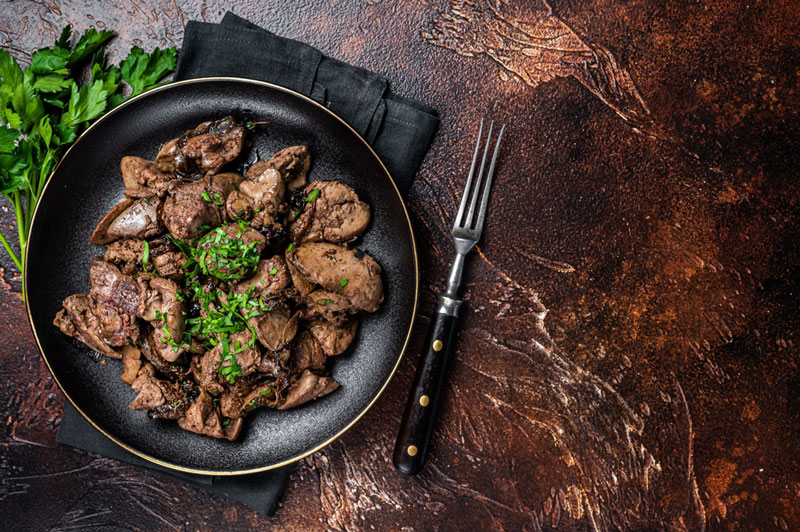
Have you ever wondered if it’s safe for our furry friends to munch on chicken liver? The good news is, yes, cats can eat chicken liver! This tasty treat can be a wonderful addition to their diet, provided it’s given in moderation. Chicken liver is packed with nutrients that can benefit our feline pals, making it an appealing option for both their diet and taste buds.
Just like humans enjoy delicious meals, cats also appreciate a variety of flavors in their food, and chicken liver definitely brings a unique taste to their bowls. Not only does it satisfy their cravings, but it also provides essential nutrients that help them stay healthy and happy. So why not treat them to something special every now and then?
As we explore the topic, we’ll dive deeper into the benefits, portions, and any potential risks of including chicken liver in your cat’s diet. Staying informed will ensure our furry companions lead long and healthy lives. Let’s continue reading to discover all the juicy details!
You might also be interested in: Can Cats Eat Liver?
Can Cats Eat Chicken Liver?
When we think about what foods are safe for our whiskered buddies, chicken liver often comes to mind. But what exactly makes this organ meat appealing for cats? For starters, chicken liver is rich in protein, which is essential for our feline friends, as they are obligate carnivores. This means their bodies require nutrients that are primarily found in meat. Chicken liver not only satisfies their meat-loving instincts but also delivers a concentrated source of energy.
Besides being protein-packed, chicken liver is also brimming with vitamins and minerals. It contains high levels of Vitamin A, B vitamins, and iron, all of which play significant roles in maintaining our cats’ overall well-being. These nutrients can support their vision, immune system, and blood health, making chicken liver an excellent addition to their diet. However, as we indulge our cats in culinary delights, moderation is key. Too much liver can lead to health issues due to the concentration of purines and Vitamin A. Finding that perfect balance ensures they enjoy the goodness without the unintended consequences!
How Much Chicken Liver Can Cats Eat?
So, how much chicken liver can our cats safely consume? The answer isn’t a simple one, as every cat is unique in their dietary needs. Generally, chicken liver should be served in small amounts as an occasional treat rather than a daily staple. A good rule of thumb is to offer chicken liver in moderation—about a teaspoon or a small piece per cat, once or twice a week. We want our kitties to enjoy this delicacy without overdoing it!
If you are incorporating chicken liver into their meals, consider it as part of a balanced diet. Rather than making it the main course, using it to accompany their regular cat food can be a fantastic approach. This way, they get the additional nutrients without consuming too much liver at once. After all, we want to keep our fluffy companions happy and healthy!
As we adjust our feline friends’ diets, be sure to monitor how they react to the chicken liver. Some cats may be more sensitive than others and might experience stomach upset if they consume too much. Start with a small amount, and observe their reaction over a couple of days. If they seem to love it and show no adverse effects, you can continue to treat them occasionally with this nutrient-rich food!
Benefits Of Chicken Liver To Cats
1. High Nutritional Value: Chicken liver is like a treasure chest of nutrients. Packed with protein, it supports a strong and active lifestyle for our feline friends. The abundance of B vitamins in chicken liver can help our kitties maintain their nervous system health, aiding in energy production and overall vitality. Not to mention, iron plays a crucial role in red blood cell production, keeping our furry companions full of life!
2. Supports Healthy Vision: Vitamin A is essential for maintaining proper vision in cats. Chicken liver is a rich source of this vital nutrient, which helps our feline pals maintain their night vision and overall eye health. Including chicken liver in their diet can support better vision over time, allowing them to see the world around them with clarity and vibrance.
3. Boosts Immune System: The nutrients found in chicken liver, such as Vitamin A and zinc, play a crucial role in supporting our cats’ immune systems. A strong immune system means our furry friends are better equipped to fight infections and stay healthy. A little chicken liver can go a long way in providing that extra boost when they’re feeling under the weather!
4. Encourages a Healthy Coat: Who doesn’t love a fluffy, shiny coat? Cats’ skin and coat health greatly benefit from the nutrients in chicken liver. The combination of protein and healthy fats can lead to a lustrous coat, and we all love giving our cats a little extra pampering!
5. Versatile Treat: Chicken liver can be offered in various ways! From cooking it lightly to making it into a delectable treat or even blending it into food, there are plenty of options to please even the pickiest cats. The adaptability of chicken liver means we can get creative in the kitchen, whipping up mouthwatering meals tailored just for our feline friends.
Dangers Of Feeding Chicken Liver To Cats
While chicken liver is a tasty and nutritious option, it’s essential to be aware of the potential risks that may arise from feeding it to our cats. One significant concern is Vitamin A toxicity, which can occur if a cat consumes too much liver over an extended period. Symptoms of this toxicity can include nausea, vomiting, hair loss, and bone growth issues.
Besides Vitamin A levels, chicken liver is also high in purines. In cats that are prone to urinary problems or have a history of bladder crystals, too much purine can lead to complications. Monitoring their overall diet and ensuring a balanced intake of various foods, rather than relying on one item, can help mitigate these risks.
When feeding chicken liver, always ensure that it is well-cooked. Raw liver can contain harmful pathogens that may upset our kitties’ tummies or even pose more significant health risks. Cooking it thoroughly minimizes these risks, allowing our furry friends to enjoy their treat safely.
Lastly, always consult your veterinarian before making changes to your cat’s diet. This is particularly significant if they have underlying health conditions or unique dietary needs. Our furry companions rely on us to make informed choices, and that includes understanding the balance of foods that keep them healthy!
Substitute Of Chicken Liver For Cats
1. Beef Liver: If your cat isn’t fond of chicken liver, consider trying beef liver as an alternative. It offers a slightly different taste while providing similar nutritional benefits, allowing our kitties to enjoy a variety of flavors!
2. Fish: For those who want to incorporate different options, fish can be a fantastic treat for our feline friends. Whether it’s salmon or tuna, fish provides protein and omega-3 fatty acids, promoting overall health.
3. Chicken Breast: Another great option is cooked chicken breast, which offers lean protein without the risks associated with organ meats. It’s mild in flavor and can seamlessly be mixed into your cat’s regular meals.
4. Commercial Cat Treats: There are various commercial cat treats available, including those made with chicken or liver flavors. Be sure to select ones that are high-quality, as they can provide nutritional benefits while indulging their taste buds.
5. Liver Supplements: If you find it challenging to prepare chicken liver or your cat has specific dietary requirements, consider liver supplements. Consult your veterinarian for recommendations, ensuring these meet your cat’s nutritional needs while still providing the desired benefits.
Can Cats Eat Chicken Liver? Frequently Asked Questions
Is Chicken Liver Good For Kittens?
While kittens can enjoy small amounts of chicken liver, it is essential to ensure it’s appropriately cooked. Because of their growing bodies, we must be cautious about the portions, reminding ourselves to treat it as an occasional reward!
How Do I Prepare Chicken Liver For My Cat?
The best way to prepare chicken liver is to cook it thoroughly, either by boiling or sautéing it with minimal seasoning. This ensures it’s safe for our cats to enjoy their tasty treat without harmful bacteria.
Can Cats Be Allergic To Chicken Liver?
Though allergies are uncommon, some cats can be sensitive to certain proteins present in chicken liver. If you notice any signs of an allergy, like itching or tummy troubles, it’s best to discontinue feeding it and consult a veterinarian.
How Often Can I Feed Chicken Liver To My Cat?
Feeding chicken liver should be done in moderation, ideally once or twice a week. This helps provide benefits without overwhelming their system with concentrated nutrients.
What If My Cat Doesn’t Like Chicken Liver?
If your kitty turns their nose up at chicken liver, don’t worry! There are plenty of other options available, such as beef or fish as alternatives, ensuring they still receive necessary nutrients without compromising on flavor.
Final Thoughts
We hope this information has given you a clearer picture of whether our feline friends can enjoy chicken liver! By introducing this delicious food into their diets in moderation, we can provide them with many nutritional perks while tantalizing their taste buds.
Always remember to keep their overall health and dietary needs in mind. For more interesting topics on pet care, feel free to explore different articles, such as whether cats can eat turkey bacon to ensure we know what’s safe for our furry companions.